Hikma Collective Podcast: Season 4
How Humanists Thrive



Reframing medieval knowledge systems
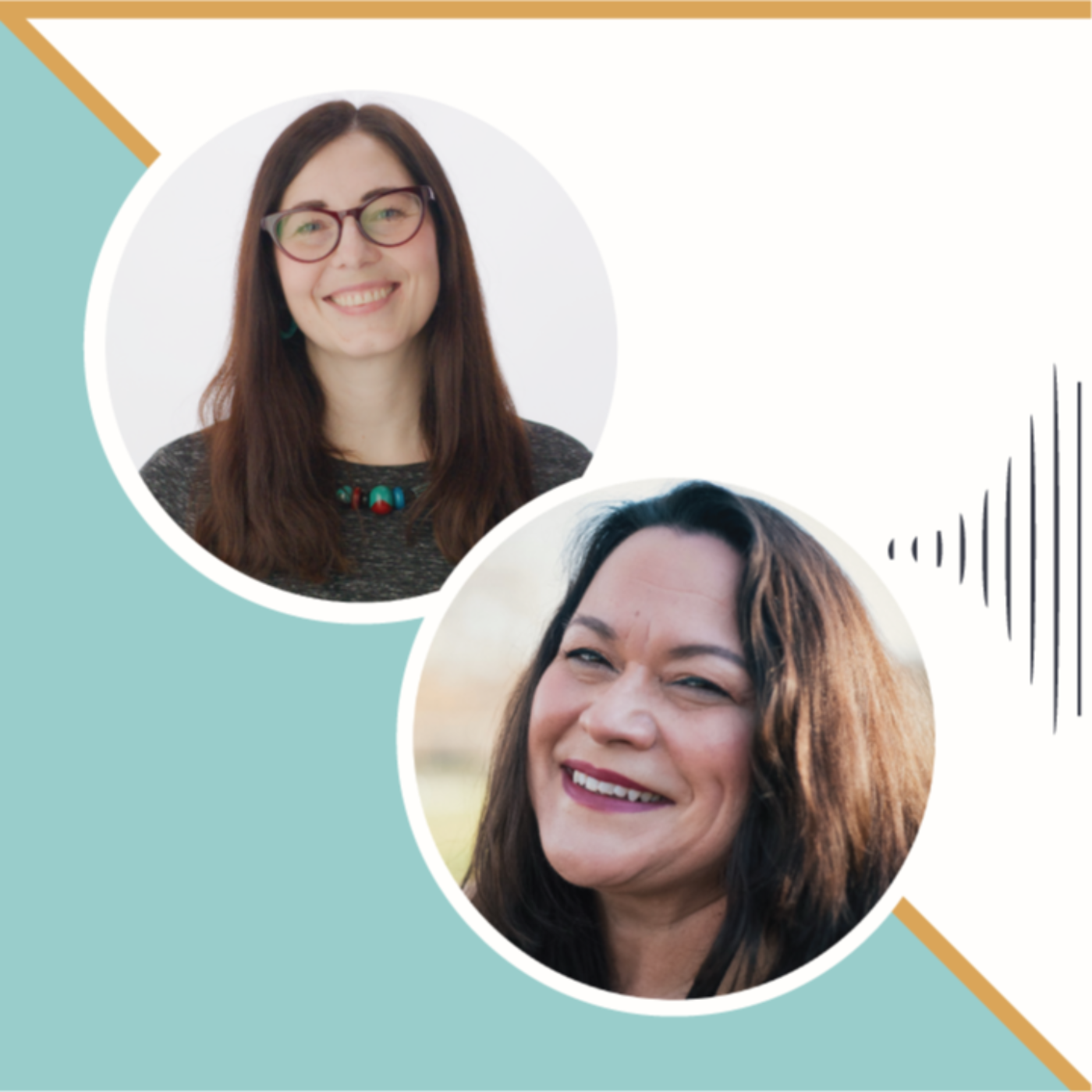
A conversation with Francisco Peña, Francisco Gago and Katie Brown
Season 4, Episode 1

Transcript
00:00:07:14 - 00:00:37:02
Erica Machulak
Hello and welcome or welcome back to the Hikma Collective podcast. It's been a minute since we recorded our last season, uh, done a couple things between now and then. I wrote a book called Hustles for Humanists, Build a Business with Purpose.
You can check that out. It came out in 2025 with Rutgers University Press. Um, I had a baby and took a little bit of matleave to help him, you know, stay alive in this crazy world.
00:00:37:04 - 00:01:02:14
Erica Machulak
Also we've been doing a lot of the deep work with clients that you'll be hearing about this season. At Hikma through the Hikma Collective, our goal is to create space for creativity and joy. That's what we do.
And our sweet spot is working with experts who have rigorous research and have big ideas for what they want to achieve in the world. And we help them figure out how to get it done.
00:01:02:15 - 00:01:26:03
Erica Machulak
Our tagline is want to change the world? Let's make a plan. And the way that we do that is by working with scholars at any career stage and at any stage in their projects to figure out what they need and who they need to work with to move their work forward. Sometimes that takes the form of grant writing, sometimes it's media writing, sometimes it's producing podcasts for our clients or getting in the room with them
00:01:26:03 - 00:01:54:14
Erica Machulak
And their partners to figure out how to get everyone on the same page in, and design projects that are feasible and make sense and serve everyone's collective goals and individual needs. So that is a really joyful process. All of the episodes that you'll hear are based on relationships that are years in the making, and I'm really proud of those connections more than anything else that I can say about what we do.
00:01:54:16 - 00:02:23:18
Erica Machulak
It's just a delight to get to work with these amazing clients and get to work with our amazing Hickman team that is making this podcast possible. As we speak, I am 39 weeks two days pregnant, getting ready to go on mat leave again any second. And so I am recording these intros. Anticipating that my team is going to make everything when I say sound better and more coherent as they always do.
00:02:23:18 - 00:02:54:17
Erica Machulak
But, the stories you're about to hear have brought me a ton of joy, and we can all use a little bit more joy in the humanities right now. So I hope that you get the same verve and vigor out of them as I have, and that you learn a little bit. If you're looking for inspiration about how to run your own collaborative humanities project, or just how to make your ideas take shape in the world.
00:02:54:19 - 00:03:19:24
Erica Machulak
The people here are the best examples I can offer of what great public scholarship looks like. And it's a true honor and a delight, and to be able to share these conversations with them. So without further ado, we're opening up this season with an amazing project run by doctors Francisco Peña, Katie Brown, and Francisco Gago. We'll hear from, very shortly.
00:03:20:01 - 00:03:58:17
Erica Machulak
And they're the awardees of a new Social Sciences and Humanities Research Council of Canada SSHRCPartnership grant, which is the biggest grant you can get from Shirk in Canada. For their project, The Confluence of Religious Cultures in Medieval History, geography a digital edition of the General e grand estoria and what you'll hear in this episode is not just context around why this text is so interesting and interesting and important, but really how the digital humanities are evolving and how this team came together to develop a collaborative model that is organic and authentic and really effective.
00:03:58:19 - 00:04:22:24
Erica Machulak
And part of that model is developing this really innovative training program that is training humanities scholars at all career stages, but especially emerging scholars, grad students, postdocs in how to think differently about what they bring to the table, how to work together, which is something that trainees don't often get in the humanities. And how to prepare for a world that's changing really rapidly.
00:04:23:03 - 00:04:44:09
Erica Machulak
I often say that one of the greatest skills that humanists can offer the world is our ability to thrive in ambiguity. And this project has done that so admirably and has a model to train others to do it, too. So enjoy.
00:04:44:11 - 00:05:01:17
Erica Machulak
Well, welcome. Paco. Paco and Katie. Heidi and I are both delighted to to be here with you to talk about your immensely important work and celebrate it. Katie, would you mind starting us that by telling us a little bit about what this project is?
00:05:01:19 - 00:05:25:09
Katie Brown
And first, thank you so much for having us here to talk about the project. So we are doing a digital edition of the General e grand estoria, which was a universal history commissioned by King Alfonso X, also known as El Sabio or the Wise, um, in the 12th, the 1200s to 13th century in Spain. And this is a hugely ambitious text.
00:05:25:13 - 00:06:04:23
Katie Brown
It's got over 6,000 pages, um, and it's bringing together Christian, Jewish and Muslim sources as well as classical sources and things, sometimes things they just made up. Um, and so the only way to understand that is to bring together a really interdisciplinary team. And so what we're doing the project then is on the one hand, digitizing, analyzing, editing and translating the text, but we're also trying to have a model for how you can bring together an international interdisciplinary team working across time zones, across languages to really unlock kind of all of the secrets of this text.
00:06:05:00 - 00:06:13:04
Erica Machulak
Incredible. And I, we'll just mention here you've just been awarded quite a lot of money to support this work. Is that right?
00:06:13:06 - 00:06:26:19
Katie Brown
Yes. Um, so we got a partnership grant from the SSHRC. I think that Paco Peña should tell us more about this as a project director.
00:06:26:21 - 00:06:52:15
Francisco Peña
Um, yeah, no, we, we bought this project really started like more than 10 years ago and we have been very much supported by the SSHRC agency. We start with the inside development grant, then we move to an inside grant and we finally got the big, um, the big one that is the partnership one. The nature of the, of the, of the project, the aim was always getting the partnership grant.
00:06:52:17 - 00:07:29:22
Francisco Peña
What happened is that, as you know, uh, you need to have a lot of background experience and kind of merits in SSHRC, in the SSHRC system in order to be successful with this one. So what we were doing before is like to get those merits and the knowledge and the, uh, putting everything together to, to achieve what we achieve now. So the interesting thing is that this project, we just got it, but at the same time, he has 10 years of history, but really what we are starting, uh, is at the same time new.
00:07:29:24 -00:08:04:14
Erica Machulak
And for listeners out there who aren't academics in Canada, the Social Sciences and Humanities Research Council of Canada or SSHRC, um, is the, one of the three main federal agencies funding academic work in Canada. And that's, um, that's the agency that we're talking about here. The partnership grant is the biggest grant that they offer.
Um, so you mentioned this, this project has this amazing 10 year track record, and it's also new. Um, Paco Gago, can you tell us a little bit about where the project started and how it's, how it's, what's happened? What, what have the last 10 years been like?
00:08:04:16 - 00:08:08:06
Francisco Gago
You know, it started in a dark night in Kalamazoo.
00:08:08:08 - 00:08:09:13
Erica Machulak
Okay.
00:08:09:15 - 00:08:36:16
Francisco Gago
Oh, okay. I mean, I think Paco Peña had already started the project.
Uh, but I remember, uh, a number of years ago, I think before the pandemic, uh, there was a Kalamazoo, the International Conference of Medieval Studies in May. And there was a dinner that organized, IMANA, the Ibero-Medieval Association of North America organizes every year.
00:08:36:18 - 00:09:52:11
Francisco Gago
And I didn't know he was there.
He knew I was there because somebody had told him, hey, if you're doing this, you need to talk to this guy. And, and I remember it was you and Fernando, I believe.
So he was there. And then we talk about, oh, we're trying to do this. And I said like, hey, we already have done that.
We have the tools to do things because of a different project. And, and I think that was one of the things that for, for Paco and for Fernando is like, wow, that is really going to save time into what it is that we want to do. And when we go out for, I mean, applying for grants and everything, we have actual things that we can say we are, we have done, we have accomplished.
So that was a big thing. And then I believe that following fall, I was, I went to Kelowna just to, to talk about the project and everything. Fernando was also there.
And that's how we started putting things together and, and deciding how to approach things. And then it kept growing and growing and growing. And here we are.
00:09:52:13 - 00:10:57:16
Francisco Peña
I want to add that, that is very interesting because really there was the beginning of the project in the sense, because we had, at that time I had the partnership, the inside development grant. And they said development grant is, is you have an idea and you have to test the idea, that can happen. So I was with, I think with Guadalupe González at that, at that, at that conference in Kalamazoo. And I think that Jasmine was there as well. Yeah. And so we were just a few of us. And the idea is that we have this idea that would be fantastic. It is possible. And I just start to think before Kalamazoo, that was not going to be possible.
So the interesting thing is that meeting Paco in, at that dinner, it was really the beginning because it was like, yes, we can do it. Now I'm sure that we can, before that, I thought that was very difficult because of many different things. How to, the combination of digital humanities with everything else was very complex for me that I was completely out of that world.
00:10:57:18 - 00:11:06:19
Erica Machulak
And Paco Peña, tell us a little bit more. You said the complication of the digital humanities and everything else. What's the everything else?
What's makes, what makes this project hard?
00:11:06:21 - 00:11:35:20
Francisco Peña
It was very hard because of, okay, it's very hard for only one institution, because normally you need a core of students that will be working in the project and a core of a team, of a big team. So the, imagine you have a number of students at university that is a small, like is the campus of UBC Okanagan, you need to train the students in digital humanities in order to start doing the work.
00:11:35:22 - 00:12:08:01
Francisco Peña
And then when you are spending all the time and the money training the students, they leave because they finish their studies. So you have to start all over again. So that was what was making it impossible…it was like, we needed people, train people to do a job. And at the same time, we needed like a corpus of students to be involved. And, and, and, and so that before talking with Paco, I thought this is going to be quite, quite tricky.
00:12:08:01 - 00:12:55:17
Francisco Peña
We have to do it from the beginning. So, and also what was amazing is that to know more about the, the history of the, of the, of the, the work that Paco have done in, in connection with the Hispanic seminary and with the University of Wisconsin, all these amazing history of, of, of really putting together digital humanities in the service of Hispanics, Hispanic studies. And, and they had all these amazing, so it was getting like you are surfing. You have the board, but you don't see any wave. And then suddenly you hit, you see this huge wave that you can get. So really, I agree with Paco. This was the real beginning because before we were about to throw the towel, that was kind of a, we were testing the water, but there was no waves around.
00:12:55:19 - 00:13:47:11
Erica Machulak
Okay. So to give our listeners more of an image of what this looks like. So we've touched on two of the really innovative pieces of the work that you're doing.
One of which is the digital tool itself, which I want to talk about in a little bit. But the other is this challenge of onboarding and training people and then enabling them to do this work at scale, which is a problem that a lot of different organizations across sectors can relate to, but to do it in the humanities in particular is just such an incredible contribution. And Katie, I know that you have done quite a lot of work and even some, maybe some recent events related to the training.
So can you talk a little bit about what the trainees are learning, what they're doing and what that training model looks like now?
00:13:47:13 - 00:14:14:09
Katie Brown
Yes. I've just come back from Spain where I've been with four of our latest trainees.
We are doing our training kind of very specifically so that students can work with the person who really knows about the subject. So in my case, I'm working with students who are doing the translation and then we'll have other students working specifically on editing, on annotation, on things to do with the history of the Spanish language, on new different sources and identifying those.
00:14:14:09 - 00:14:50:20
Katie Brown
So as Paco was saying, being able to train those students is much more achievable if you're distributing them across all sorts of different universities and different disciplines.
So I came into the project in 2019 when Paco Peña visited Exeter for the first time that UBC and Exeter have kind of a special friendship. And at that time, Paco told me that he was probably going to hire someone to do the translation. And I'd been experimenting before that with paying some of my students to work on projects, research projects with me.
00:14:50:22 - 00:15:35:11
Katie Brown
I thought, wouldn't it be great if we could take our students, train them in this text and then pay them to work on it every year with the idea that then the previous cohort trains the next one. Let's see, we're on our fourth cohort now and every year that's just gotten easier. But we take them to La Rioja for a week to work with specialists in the history of the Spanish language and they really get a deep dive into how medieval Spanish works compared to the Spanish that they've been learning in their classes, but also into the text, kind of what Alfonso was trying to do with it, the kind of cultural background. They get to know members of the team over Zoom as well as working with people from the team who are actually based in La Rioja.
00:15:35:13 - 00:15:56:11
Katie Brown
But over the years, we've also then had those students creating onboarding materials. So they've made a glossary, they've made a style guide, they've made a, this is what I wish I knew when I started the project.
And so every year it just gets easier and easier to bring in those new students and to help them really engage in this work right from the start.
00:15:56:13 - 00:16:03:01
Erica Machulak
And so at this point, how many students and how many institutions are involved in the project?
00:16:03:03 - 00:16:16:24
Katie Brown
Oof, so they institutions we, at, I want to say 18.
00:16:17:01 - 00:16:18:19
Francisco Gago
Yeah, a little bit less than 20, I would say.
00:16:18:21 - 00:16:26:08
Erica Machulak
Wow. And that's across how many continents?
00:16:26:10 - 00:16:30:00
Katie Brown
All of them? Actually, I don't think we've got anyone in Australasia just yet.
00:16:30:01 - 00:16:46:03
Francisco Peña
I can give you, so we are 56 scholars, 10 countries involved, 33 institutions involved. Wow. From these 33, 16 are not partners and 17 are partners.
00:16:46:05 - 00:16:48:20
Erica Machulak
Amazing. Okay.
00:16:48:22 - 00:17:11:22
Katie Brown
And so we're really just starting this off at the moment, the translation students were very much our test case to show how this can work, but now in the grant we've got money for 100 students working 200 hours each, but it could be more students doing fewer hours. So it's really involving a massive amount of students in this project.
00:17:11:24 - 00:17:13:12
Erica Machulak
Wow.
00:17:13:14 - 00:17:55:03
Francisco Gago
Yeah, and depending on the student and everything, they can be involved in many of the different, it's not just the translation. I mean, they could be easily be working on issues more related to digital humanities with assisted translation and assisted polygraphical transcription, learning how to use the tools that have been created by other people for other projects that we have incorporated into the project and make a contribution with that. So that's the goal. It's just like, you need help. It's a huge test.
00:17:55:05 - 00:18:04:01
Erica Machulak
So Paco Gago, tell us more about that. What are some of these tools that are being integrated and what's the innovation in using them in the way that you are in this project?
00:18:04:03 - 00:18:35:20
Francisco Gago
So we want to do lots of things with the text. This is not the traditional edition on paper, which has limitations. I mean, this work has been edited on paper. But because it's on paper, it has very few notes, is a huge text. So, there are those limitations and we want to break free from that. But in order to break free, you create the issue of like needing more materials.
00:18:35:22 - 00:18:59:23
Francisco Gago
And one of the things that we're using, we are lucky that some of the texts have already been transcribed. They were transcribed in the 70s. We still have the transcriptions that we're using, but we have developed a tool to be able to annotate those texts linguistically. So lemma and part of a speech, which really helps with some other types of analysis.
00:19:00:00 - 00:19:34:06
Francisco Gago
And now the goal is also to transcribe every single weakness of the general story and not just the big ones, but everything that is out there. And that needs to be done with new technologies.
And there are tools out there. It's called handwritten text recognition that allows you to train a model using artificial intelligence, machine learning, to then be able to transcribe the first pass, which then needs to be corrected by a human being.
00:19:34:08 - 00:20:05:16
Francisco Gago
But things that used to take months or years to do can be done now in months. So it is possible to do these things because of the tools. And once you have everything digitized and translated, another of the members of the team, Javier Pueyoand I, we've been talking about things that we can do using technologies. And one of them is like, if we want to have this, we're going to do a manual translation into English.
00:20:05:18 - 00:20:39:18
Francisco Gago
And one of the reasons is because English is very well documented in these new tools. And from there, we can generate automatically transcriptions in any language that any possible user wants to consult the text. So we would like to have people to ask questions of the text and be able to get responses of what the text says.
00:20:39:19 - 00:20:50:04
Francisco Gago
That's possible. That's only possible if everything is digitized and with these new tools and using artificial intelligence. Sure. That's a big goal. We'll see if we get there, but that's the goal.
00:20:50:06 - 00:20:59:04
Erica Machulak
But in your mind's eye and your vision for this, can you give an example of a question that someone might ask the text and what kind of answer they might get?
00:20:59:06 - 00:21:43:02
Francisco Gago
I would like to know more about the animals that appear in the text. Tell me about elephants.
I'm thinking, I mean, hey, a kid from elementary school. So like, oh, it would be cool to know about more of the animals that I mentioned there. And I just like not knowing where they appear or what animals are there, but just get information like, oh, there's a whole chapter about crocodiles in an isle, and then it's talking about different birds and everything.
And just to be able to do that. Or people that say, hey, I'm only interested in knowing what the book says about Noah and just be able to question and just do a deep dive on that specific thing.
00:21:43:02 - 00:22:30:02
Francisco Gago
Or I just want to know, what about women?
How are they represented? Where do they appear? What does the text have to say about it?
Just without having to read all 6,000 pages, have the artificial intelligence give you the places where it happens. But that's the type of approach into them and the type of questions that you can ask. So just give me all the times that this guy is mentioned.
And I just want to, I mean, a scholar might say, I'm interested in knowing where Peter Comestor is mentioned. I'm just like, that would be, and what does he say about this thing? So that would be a possibility.
00:22:30:04 - 00:22:50:07
Erica Machulak
So General Historia is obviously a text that's a few centuries old. We're in a very particular moment for the humanities right now. Why do you think it's important to be doing this work right now? Who is this work for? Katie, you look like you've got an answer.
00:22:50:09 - 00:23:19:16
Katie Brown
I mean, I was looking at Paco, but I do have answers.
So I think the main one is that the text was produced in a time of religious conflict, but uses sources across different religious traditions and really tries to understand how the different people see the world. And also, as you get to know very quickly when you're translating it, so often throughout the text, it gives various different explanations for an event.
00:23:19:18 - 00:23:46:01
Katie Brown
It's like some scholars say this, other scholars say this, we'll leave you to make up your own minds, which is quite rare today.
So I think it's a really great model for how people have come together and how kind of curiosity has allowed for the creation of this just incredibly ambitious text. And it's something that we're then trying to replicate to a certain extent, kind of bringing together people who have different cultures, different languages, different ways of thinking,
00:23:46:03 - 00:24:27:04
Katie Brown
but between us trying to find a way of approaching this text. And I think also that kind of quest for knowledge, generally, the idea that I said earlier, Alfonso el Sabio, that really what he was interested in was protecting knowledge, sharing knowledge, finding ways for information to be shared with people that when you read the text, it often says kind of, as we will say, as you've heard. It's a text that was designed to be shared among groups of people. And so that idea, again, of bringing people together.
Erica Machulak
Paco Peña, anything to add?
00:24:27:06 - 00:25:04:09
Francisco Peña
I think that Katie explained it very well, but I wanted to add that this project is far more beyond the test itself, because the text is so big and relevant because of many reasons. It's the time, a time of the transfer of knowledge from the East to the West. So when you have a universal history that involves knowledge coming from many different sources, from many different cultures, and a time when the transfer is knowledge, it provides a lot of information that goes far more beyond the test.
00:25:04:11 - 00:25:29:15
Francisco Peña
Questions that still we need to solve in the humanities, like how do we know about antiquity? You know, because most of the tests that we have reconstructed antiquity or know the antiquity are medieval. And most of them, they were transmitted through Arabic sources. So in many ways, it's what the Arabs or whether Islamic culture was interested on.
00:25:29:19 - 00:26:29:23
Francisco Peña
This is our antiquity. So to have these two links, really, because a kind of modernity will forget about this, but we need to know what we have now.
The way we understand antiquity is through the medieval people and through the Arabic sources. So I think that we have the possibility to answer many questions that goes beyond Spanish medieval literature and goes beyond, you know, like one specific work. So also you have to understand that many, most of the books that were written in medieval Spain, they have disappeared.
They have been destroyed. So when you have a work of this size that, you know, we can even, we'll be able to reconstruct how a library, you know, the different libraries that were involved in the project. And using technology, we would know far more about how books were written and how knowledge was shared.
00:26:30:00 - 00:27:41:03
Francisco Peña
So I think that the interesting thing about this book is not only the size of the ambition of the test, but also the kind of the liminal aspect of the book, when it was written and how many people get involved and the amount of information that can provide beyond the text itself. So, and I think that that is one of the main reasons why I sure have been interested on the project because, and something that I want to add is us, like I said, as a project team, what we are doing is new. The way we are working is new.
The way we have figured out how to work together is new. So I think that you're going to have an impact in imagining the humanities, working the humanities because of the way we're trying to figure it out. And I think I'm very kind of optimistic. We have a meeting this morning of the different team leaders and we are all very excited about this, about how are we going to manage to answer all these questions, to do all this work together. And one of the most exciting things is doing it. It's the process of doing it.
00:27:41:50 - 00:28:07:22
Francisco Gago
Yeah, there's, it's, I mean, the name of the book is a misnomer, General Historia, because it's more like history. There is geographical information, there is biological information, there is anthropological information. There's all kinds of things that are, it's just like, let's throw everything that we know of and make it here.
00:28:07:22 - 00:28:47:01
Francisco Gago
And just to, also to understand the process that the book was written, because there's no, there's a kind of a timeline, but it's just like, oh, and here we're still talking about this, but let's go and talk about that because it happened at the same time. And in some cases it's really interesting just because it's like, so we talk about the crocodiles and suddenly you're giving us a whole chapter about the crocodiles, which comes from a different source. And it's like, so you had access to that source. And then you, we know that that source doesn't talk about another animal and therefore you don't talk. I mean, so it's just like, how it was put together.
00:28:47:01 - 00:29:23:08
Francisco Gago
I mean, how did the king say, I need to gather all the information, where is that information? And then, so that's for the text and just to bring people checking the book of, they don't have to be experts. They have to be curious about what it is that the 13th century worldview was in Castile at that particular time. But also the way for us to, this is more common in the sciences to work in teams, to partner with our institutions.
00:29:23:10 - 00:29:52:00
Francisco Gago
Humanists tend to be people living individually in their ivory towers. I do my own thing. Everything happens inside my head and I can do that. And as I think we're trying to say, yes, that's okay. But your knowledge can really complement what other people know. Because I only see what I know, but somebody like, hey, I know a lot about biblical studies and this is something that happens here. That's like, oh my God, I didn't know that.
00:29:52:02 - 00:30:27:24
Francisco Gago
And I'm doing that in a way that it's different because we are living online. All our meetings include at least three different time zones. And it's a question of, and it's a learning process, how do we incorporate the new tools, things like Zones, things like Google Docs, like the platform that we have to be able to work at the same time, but not together, physically. So that's the kind of thing.
00:30:27:24 - 00:30:52:23
Francisco Gago
So it's also a way of not necessarily writing a manual of how other projects need to be run, but just to say this is a possibility. The fact that you are separated by an ocean doesn't mean that you cannot actually work together, simultaneously on the same page and chatting with each other about the change.
00:30:53:00 - 00:31:04:13
Erica Machulak
So do you have any advice, any of you, for, other scholars or practitioners around the world who are trying to make global virtual collaborations work?
00:31:04:15 - 00:31:06:24
Francisco Gago
Start talking to each other.
00:31:07:01 - 00:31:42:21
Katie Brown
I was going to say that we're constantly learning from each other. So, for example, when we're trying to do the translation, we have to have an interpretation of the text. And sometimes we're not sure whether it should be one interpretation or another.
And that question sparks new ideas for the annotation team. And so really, I think being open and honest with each other, not trying to solve a problem ourselves, but knowing who all the other people are and what they're doing and who is the specific person we should go to, if we want to know more about which type of silk was used in the creation of a lute.
00:31:42:21 - 00:32:08:23
Katie Brown
So, yeah, I think kind of having some way of managing all of that as well. So we've mentioned a few times the platform. We're very lucky that we have this platform that we're using developed for the project, where the addition, annotation and translation are all happening on the same platform. We can see each other's notes. So having your central repository like that, but then also being able to reach out to each other.
00:32:09:00 - 00:32:32:11
Francisco Peña
I wanted to add that in my experience, there are, in the academic world, people that like to, they're like long wolves. They like to work by themselves, which is fantastic. And there are people that are more into the team playing, you know, line. And I think that we, all of us, we are team players.
00:32:32:13 - 00:32:59:13
Francisco Peña
So I think that what you need to find is the other team players. Because sometimes we have crossed paths with people that were long wolves and they end up going back to being long wolves, which is amazing.
But this is a team playing place, you know, like we all enjoy working together. And I think that that is one of the main secrets is that we really enjoy it. And also I think that, and it's something that we learned and we keep learning, is dividing responsibilities and tasks.
00:32:59:15 - 00:33:22:22
Francisco Gago
Yeah, that is important because one of the things, so up to this moment, I think, because we were like, I will go to get the grant or not. Are we going to continue? How are we going to continue?
00:33:22:24 - 00:33:56:02
Francisco Gago
I think now teams are going to coalesce. I think teams, some teams will get bigger, some teams will get smaller. Because at the end of the day, things need to get done. And there is a question of, we have very lofty goals of all the things that we want to do. But at the same time, we have to be realistic of, you want to do this much. But at the end of the day, it's only possible to get to here. And just to realize that that might be OK.
00:33:56:04 - 00:34:18:14
Francisco Gago
I mean, that's a thing because things that we would like to do, the technology might not be there. Or the effort might be too much. Or personal circumstances of team members change and you need to readjust. What you wanted to do is like, there's no way we can do this with the people that we have right now.
00:34:18:14 - 00:34:39:21
Francisco Gago
So how are we going to cut back? So the idea is, I mean, in fact, we already had the team that I need, the addition. It's just like, if anything, we can do this. This is the minimum we can do. So we already have a contingency plan, a plan B of like, if we don't get this, we need to continue working and finish that.
00:34:39:21 - 00:35:06:22
Francisco Gago
So there is always the [need to] be flexible and adaptable and trying to find people that are similarly minded and try to move forward the project. And then realize that not everybody can meet the same day. Not everybody can go to all the meetings. And just like, but that's the human element. That's always going to be the most complicated part.
00:35:06:24 - 00:35:25:09
Katie Brown
I just wanted to add to that, that it being a digital addition, it can kind of live beyond all of us as well. That it's not like it's printed and then we can't change it, that the materials will be there. And if someone comes on in the future who's really interested in something that we haven't been able to do yet, then they can keep adding to it.
00:35:25:11 - 00:35:39:19
Erica Machulak
I'm hearing a lot of celebration of incremental progress and its appreciation for the ability to create different kinds of value that will morph as the team evolves. But that there's always something new you can be doing in creating a value.
00:35:39:21 - 00:36:01:24
Francisco Peña
I see that what Katie had just said is very important. And I thank you, that is the fact that we know that we are not going to close all the doors. And that gives you also, we are very excited about doing the things, but we know that this is not a project that we need to close. And we put an end at the end of the movie.
00:36:02:01 - 00:36:30:03
Francisco Peña
We are just the first generation. And people are going to continue it. And so that is a great feeling. It's been very good that you brought this up, Katie, because it's true, that is there. We know that we are just beginning. And they are different generations because they're different ages in our project. And we know that there are people that, in the same way that Katie is playing with the students, that the previous students help the other students too. So it's going to happen like very organically that way, no?
00:36:36:07 - 00:36:56:17
Erica Machulak
Yeah, that's lovely. And I think these points you've made about the knowledge infrastructure and the training model and the ways that you are already engaging people at the very early stages of their careers, you're going to gain new skills, new tools, new relationships to think through the futures of this project. You've clearly set yourselves up for a multi-generational legacy of the scholarship.
00:36:56:19 - 00:37:20:02
Erica Machulak
So I want to bring this back to a question that I have a feeling maybe on the minds of many early career humanities listeners in particular. And that's that a little while ago, Katie, you talked about creating this training model that is focused on translation now, but has these expansive opportunities to open up more kinds of learning pathways.
00:37:20:04 - 00:37:39:07
Erica Machulak
And Paco Gago, you mentioned that AI has actually created more ability to do cool work. Humanists are being told all the time that AI is going to put us out of jobs. Can you tell us a little bit about the role that AI plays in the project and what the value of having humans in the work really is?
00:37:39:09 - 00:38:08:05
Francisco Gago
I mean, I don't like to talk about AI for the project because, I mean, AI is a huge field. And I think people, they think about generative AI, which is a very small field of all this machine learning and natural language processing and everything. But one of the things that all these new tools, they don't replace the scholar.
00:38:08:07 - 00:38:45:16
Francisco Gago
They are extensions of the scholar and tools that will allow the scholar to do more things, more in depth in a relatively shorter time. It's not an obligation to use them. So this is not like we are like preaching, like everybody has to do it this way. But it's a question of saying there are tools out there. The same thing that mathematicians use, calculate, program something to resolve an issue. They are not doing with pen and paper the whole thing of the calculation.
00:38:45:18 - 00:39:18:22
Francisco Gago
This is the same thing for humanists. I mean, we need to be aware that there are tools out there that if used properly, they can be very helpful. And it's a question of thinking about how to use them, when to use them. What are the pros? What are the cons? And letting the audiences, society know that it's, yes, some of the things are really scary, but there are some others that are actually really beneficial.
00:39:18:24 - 00:39:49:11
Francisco Gago
And at the same time, taking into account that these tools will not replace us. They are just going to be an extension. They are going to be something that is going to help. And I think we are at a really particular moment in time where things are changing rapidly. We don't know exactly what's going to happen. There's lots of fear about jobs being lost and everything.
And yeah, that's going to happen.
00:39:49:11 - 00:40:10:19
Francisco Gago
But at the same time, we shouldn't be like saying, no, this is not going to, we don't want this. It's hard to put the genie back in the bottle by now. And it's a question of how we can keep the human element inside the loop and everything else. Very vague answer.
00:40:10:21 - 00:40:38:05
Erica Machulak
No, I think it's a very useful answer. I think it's a very useful and hopeful answer. Maybe before I know, we're sort of closing to the end of our time. But I wanted to see if Heidi, as the early career scholar in the room who worked so deeply on this project, has any questions she wants to throw out there. Heidi, anything you want to ask?
00:40:38:07 - 00:41:18:12
Heidi Rennert
Yeah, and I think it's some of the questions that maybe we get asked a lot as humanists. But you've talked so compellingly about why your project does matter for our current cultural moment. But I think a lot of scholars working on the past or old texts or niche topics, they might have trouble conceptualizing something like going after a grant like this or how to envision a project that might have some cultural relevance or contemporary relevance. Yeah, what kind of advice would you give for humanists or scholars trying to think about connections for their own work or making that kind of case?
00:41:18:14 - 00:41:41:09
Francisco Gago
Start small, but with big goals at the end. So I don't think we could have gone straight to the partnership grant, just because we didn't know what to do. So I think it's just a question. I think it has to grow organically. I mean, what Paco said at the beginning, it's just like they were ready to throw the towel because they couldn't see,
00:41:41:11 - 00:42:03:21
Francisco Gago
you have to realize that that's a possibility, that what you want to do is not doable and you have to move on. And then the question is like, start small with very specific goals, this is what we want to do. Talk to other people, see who's out there, see who can help and then say, okay, now that we have this, what's the next natural stage?
00:42:03:22 - 00:42:30:16
Francisco Gago
And I wouldn't shoot for the moon again, because that's always, you saw me, you end up really bad. It's like, okay, what's the next step that we can take that it's a little bit bigger? Just like that sense of progression and being ready to say, this is it, that's done. It's just like, this is as far as we go. And so it's kind of slow and reflecting at the same time.
00:42:30:18 - 00:42:52:15
Katie Brown
I would add something that really came through for me when I was working with you two at Hikma, thinking about the project holistically. So one thing is, what are your research questions? We all have the things that we're really passionate about, we want to learn more about, but also what is the project doing in terms of what skills are you developing through it?
00:42:52:17 - 00:43:26:05
Katie Brown
What connections are you making, working right from the beginning with communities who might be interested in the outputs, to think about what are the outputs that would suit them, or what do they want from this? So that co-creation. And I think those things, they really feed into each other, that we ended up having more or different research questions because of that, but also seeing our research questions in new ways, or really thinking about how do those research questions connect with different audiences?
00:43:26:07 - 00:43:38:03
Heidi Rennert
Yeah, it definitely seems like the process of a grant writing itself forces you to really think critically, deeply about the relevance of your work and that progression, as you were saying.
00:43:38:04 - 00:44:03:19
Francisco Peña
Okay. Yeah. I wanted to say something too, that I have seen that there are many people in the humanities that they are reluctant to ask for grants because they believe that for the work they do is not needed, and now you have access to libraries. And they are kind of like, they say, I don't want to, they reject me, that they're afraid of the rejection.
00:44:03:21 - 00:44:22:14
Francisco Peña
I think that you learn a lot from rejection. Rejection is a big teacher. In fact, the more times you are rejected, the more you learn from it. So I think that you shouldn't be afraid of that. It doesn't mean that your project is not good, but you have to learn from the experience
00:44:22:16 - 00:44:40:17
Francisco Peña
Probably you are not knocking to the right door, or you are not knocking with the right rhythm. So I think that you have to try, that if you don't try, you're not going to get it. And at the same time, there is another thing. Many people do not want to ask for grants because they say that I don't need the money, really.
00:44:40:17 - 00:44:46:10
Francisco Peña
But the students do. One of the main things is not only solving questions or working together, is that we are supporting students. And you are creating grants and opportunities for the students. You are opening opportunities of students going abroad and study, going to conference, being involved in projects. You know, that is the main thing. Asking for grants is not for you, it's for them, mostly.
00:44:46:12 - 00:45:13:00
Francisco Peña
One of the main things is not only solving questions or working together is that we are supporting students, and you are creating grants and opportunities for the students. You are opening opportunities of students going abroad and study, going to conferences, being involved in projects. You know, that is a main thing. It is asking for grants is not for you, is for them mostly.
00:45:13:02 - 00:45:41:08
Francisco Peña
So you don't have to forget, and this is part of our job, part of our job is to leave behind like all this, you know, supporting them. Because right now, being a student of humanities is hard enough. So if you can add a little bit of help and hope and, you know, and nice experiences, that is a great thing that you leave behind. So I think that many big scholars, they should think that this is not just about yourself.
00:45:41:10 - 00:46:09:20
Erica Machulak
That's interesting. You talked about lone wolves before, Paco Peña, but you're right, every humanities scholar, no matter how much time they're spending in their office by themselves, you have this really important relationship that's part of your profession and your legacy. Thanks for that reminder. Before we wind down, is there anything that anyone would like to add, any questions we didn't ask that you'd like to answer?
00:46:09:22 - 00:46:44:16
Francisco Peña
I wanted to add one thing that came from the meeting that we had this morning, the challenges. One of the big challenges is the administrative challenges, for example, we have problems with the visas of scholars from Northern African countries to come to Spain. And I think that probably if, I don't know what is the way to raise the voice and also ask for some support of this, but we are living in a world that is more and more full of walls and frontiers and problems in this way.
00:46:44:16 - 00:47:09:00
Francisco Peña
We have our mouth full of, you know, academia and universality and, you know, global, but then we close the borders and we close everything and we are kind of like, and one of the main things of this project is like to have, to listen to the East, you know, like to listen to the Western academia, to listen to what the other academias, they have to say.
00:47:09:05 - 00:47:35:01
Francisco Peña
And we cannot do this job if they are not helping us in that way. We were like, one of the big things that we have to deal with is like, how can we, you know, really create a communication if they're closing the borders. Then for academics, before they used to be, it used to be easy that an academic would go to a conference coming from any country in the world,
00:47:35:01 - 00:47:59:04
Francisco Peña
but it has becoming, it's becoming like a nightmare. So I just wanted to leave that there. Because sometimes we have great ideas, but then the feasibility, the reality that we are living is, and the humanities have something to do, you know, like we want to change that. So we're going to try how we deal with that.
00:47:59:06 - 00:48:15:18
Francisco Peña
I already sent an email to our ambassador about that. I'm going to meet with them in, hopefully in, in sometimes in, in November or December, but we need to reach these kinds of people to see, okay, we need help.
00:48:15:20 - 00:48:46:05
Erica Machulak
It sounds, Paco Peña, if I can ask you a follow up question about this, you mentioned reaching out to the ambassador as an academic who has many fancy titles and has won this prestigious grant. Do you feel like you have levers to pull just having this kind of public success in the humanities give you more of a platform or more agency or some, some modicum of agency to be able to kind of work toward these issues?
00:48:46:05 - 00:49:06:18
Erica Machulak
I mean, on a very basic level, what I'm hearing is we're beyond the ivory tower now. Once we get into feasibility of actually making these team-based projects work, we have to confront the realities in the world and, and the ivory tower becomes seen for this myth. But you as the leader of this project, what do you see as your role in this?
00:49:06:20 - 00:49:16:10
Francisco Peña
Well, I have to say that it's a good thing that I'm not the leader anymore. We are going to be three, we're three at the triumvirate. Fair enough.
00:49:16:12 - 00:49:43:01
Francisco Peña
But I think that, that is precisely leaving the ivory tower. We don't, we don't want to inhabit it. Like one of the main things of this, of this project is, is to reach the, even the non-academic audience and to reach beyond, you know, the, the, the kind of the safety net that we know many times we live in and we publish on, on, on journals that no one is going to read or some, just a few people.
00:49:43:05 - 00:50:10:01
Francisco Peña
We want to, we want to be, go beyond that because we, the humanities, we always have to be defending our existence. We always have to be, the science doesn't need to do that. We need to do that and it's a good thing, you know, so to be defending the relevance of the humanities, it's something that you do in, in, in Mano, but we need to be claiming and we need to, and that is why we are creative because we have to be all the time defending our existence.
00:50:10:03 - 00:50:30:02
Francisco Peña
So it's kind of a, an environment of, of constantly, you know, surviving, but I think that, that precisely because of this, the humanities are more relevant than ever because we are more threatened than ever. We are more relevant than ever.
00:50:30:04 - 00:50:32:11
Erica Machulak
What do you mean by that?
00:50:32:13 - 00:50:58:12
Francisco Peña
I think that when we are threatening humanities is when, when is the time that we, we need to raise our voice and, and, and put together, and really is a moment that humanities is relevant. It will happen with every kind of like a totalitarianism or a dictatorship is that always the academia is attack because you have to kind of silence it.
00:50:58:14 - 00:51:28:01
Francisco Peña
So it happens in every, you know, type of dictatorship of kind of a power when, when the power gets too noisy, the first thing to be sacked is the academia. So I need the precise moment where the academia is the most needed. So I think that we live in a moment like this, and that is why the humanities, you know, it's fantastic that we have this opportunity to, to be more visible and to reach a bigger audience and to show how important it is.
00:51:28:03 - 00:52:01:08
Francisco Peña
And I, I think that is when, when things get very, from our human perspective, like as academic scholars, , that says that we can make a change. And I think that we have this opportunity and we should, you know, take advantage of it. And what I told you about, how they are closing the borders work for many academics, you know, so we, we have the message that we need to fight to change that.
00:52:01:10 - 00:53:00:10
Erica Machulak
Mm-hmm. And I think to bring this down and to bring this back and link it to one of the massive impacts of the project that we spoke about a bit earlier, and then Katie in particular talked about with this expanding training model, as you are bringing in so many new scholars in, translators now, people with other skill sets soon, certainly I believe and think and remember from your proposal that you're, you're training this amount of people, that's probably more people than will have supply of tenure track jobs moving forward. Right.
But they're building these skills where they're having this appreciation for all of the ways that the humanities trains us to think. And then they will also have these technical skills that enable them to bring that kind of thinking and these strengths, these new strengths that they have, and these networks that they have, these global networks into all of these different sectors and organizations, be that government for policymaking, be that tenure track jobs or other kinds of organizations museums,
00:53:00:12 - 00:53:37:03
Erica Machulak
you know, advocacy groups. And so you really are training and expanding cohort of people to address these challenges in a more collaborative way that you yourselves are, sorry, you yourselves are modeling in the way that you, you work as a team. So there's so many different impacts to this project, but that's, that's one that I want to make sure we keep in mind as we think about how you're preparing the next generation to continue dealing with these challenges as they become more intense. So thank you for that. Paco Gago, before you need to go, anything you'd like to add?
00:53:37:05 - 00:54:01:08
Francisco Gago
No, I mean, I'm just excited about this. At the same time, I'm scared because I see the enormity of the work ahead. And it's one of those things is like, we need to do it. And now, now is when the rubber meets the road. Now it's what we have to actually get things going on and everything. Before it was kind of like, oh, let's do this and see what happens.
00:54:01:08 - 00:54:26:14
Francisco Gago
And I was like, oh my God, we actually have to do this. We said we're going to do this. So it's just a question of, I'm looking forward to the meeting in October. And then just to go back to the team we still haven't met, because it's been a crazy year for everybody in my team. And just to say, okay, let's buckle down. And this is what we're going to do.
00:54:26:14 - 00:54:33:09
Francisco Gago
And let's have a plan. Because right now it was kind of like, oh, we're going to. And now it's like, this is what we actually need to do.
00:54:33:11 - 00:54:43:12
Erica Machulak
I know we're really looking forward to following the next steps of your work. Katie, do you want to bring us home? Any final thoughts before we wind down?
00:54:43:14 - 00:55:18:04
Katie Brown
I'm not sure I've got that much to add. I was thinking when you were saying about this future generation that certainly among the translators I've been working with in the last few years, like a couple of them have gone on to be teachers now, like in secondary schools, high schools. So it's like even though they're kind of leaving academia, they're really bringing the things they've learned to these new audiences. So, yeah, thank you for saying that. I think that's the thing that we really need to keep in mind, kind of keeping track of where people go, who they connect with, thinking of this much more than something that's just happening inside universities.
00:55:18:06 - 00:55:41:07
Erica Machulak
Definitely. Well, thank you all for sharing a peek behind the curtain of what it's like to design this amazing collaborative project. It's been such a pleasure to work with all of you and we're so excited that you got the funding and can continue this next step. So, yeah, we're excited to share your success with our listeners.
00:55:41:09 - 00:55:42:12
Francisco Peña
Thank you very much.
00:55:42:14 - 00:55:42:21
Katie Brown
Yeah.
00:55:43:00 - 00:55:44:07
Francisco Gago
Thank you for having us.
00:55:44:09 - 00:55:46:02
Erica Machulak
Oh, our pleasure.
00:55:46:04 - 00:55:49:05
Katie Brown
Thank you for having us. Thank you for working with us.
00:55:49:07 - 00:55:50:14
Francisco Gago
To delp us to be successful.
00:55:50:16 - 00:55:56:14
Erica Machulak
Oh, yeah. Totally. Our pleasure. Yeah. Okay. Talk to you soon.
00:55:56:16 - 00:56:37:07
Erica Machulak
We hope you have enjoyed this episode of the Hikma Collective podcast. I'm your host, Erika Machulak, author, medievalist, and founder of Hikma. This episode was managed and produced Ai Mizuta, Heidi Rennert, and Sophia van Heese. Matthew Tomkinson composed the original music you hear now. In his capacity as Hikma's 2022 artist-in-residence, you can find show notes, links, and transcripts on our website, hikma.studio slash podcast. Hikma is situated on the traditional, ancestral, and unceded territory of the hən̓q̓əmin̓əm̓ speaking Musqueam people. We are so grateful to be here and to share this space with you. Wherever you're listening, make sure you know whose land you're on.
“We, the humanities, always have to be defending our existence. . . because we are being threatened more than ever, we are more relevant than ever.”
In this episode, Franciso Pena, Francisco Gago, and Katie Brown, share insights about collaborative humanities looks across disciplines and borders gleaned from winning a SSHRC Partnership Grant for their project, “The Confluence of Religious Cultures in Medieval Historiography: A Digital Edition of the General e Grand Estoria (DEGE).”
Topics covered in this episode include:
- Why medieval literature is important to us today
- Digital humanities, Generative AI, and learning to be adaptive
- Collaboration in global contexts and uncertain borders
- Why we need to defend the humanities more than ever
Speaker Bio
Francisco Peña Fernández is Professor of World Literatures at UBC, Okanagan campus. He holds a degree in Geography and History from the Universidad de Sevilla, a PhD in Hebrew and Aramaic Philology from the Universidad Complutense de Madrid, and a PhD in Spanish from the University of California, Davis. His research is wide-ranging and interdisciplinary. It spans Medieval Studies, Literary and Biblical Studies, and Religious Studies. He engages in a synthesizing analysis of literature, history, and religion so as to develop new understandings of Medieval Iberian cultures.
Francisco Gago-Jover holds a degree in Geography and History from the University of Valladolid, an MA in Spanish from the University of Wisconsin-Madison, and a Ph.D. in Hispanic-Romance Linguistics and Philology, with a dissertation focused on medieval Spanish military lexicography. His research centers on historical lexicography and medieval linguistic corpora, resulting in two military dictionaries, a critical edition of the Spanish Ars moriendi, and numerous paleographic transcriptions. He is the director of the Old Spanish Textual Archive, a lemmatized and morphologically tagged corpus of over 400 semi-paleographic transcriptions. He has taught at several American and Spanish universities and regularly leads digital humanities workshops.
Katie Brown is Associate Professor of Latin American Cultural Studies at the University of Exeter. She holds a BA in Modern Languages and European Studies from the University of Bath, an MA in European Studies from Cardiff University and a PhD on contemporary Venezuelan literature from King’s College London. As a researcher, editor and translator, Katie specialises in women’s writing and narratives of displacement. She is now applying her interest in collaborative translation to medieval Spain through the Digital Edition of the General Estoria project.
Links
Confluence of Religious Cultures in Medieval Historiography
“UBCO professor spearheads global effort to translate, analyze rare 13th century text” July 9, 2025
Play and storytelling in the Indigenous North
A conversation with Shannon Leddy and Biz Nijdam
Season 4, Episode 2
Transcript
00;00;07;10 - 00;00;43;02
Erica Machulak
Hello and welcome back to the Hikma Collective podcast, where we are creating space for more joy in the humanities. And we're doing that by sharing stories of scholars, humanists and like minded scholars who are doing amazing collaborative, organic work with partners around the world. So we're chatting with them about what they're doing, why they're doing it, and how they're doing it in hopes that we can not just bring a little light to your lives, but also provide people looking for new ways to do public scholarship with encouragement and a little strategic advice about how to get that done.
00;00;43;19 - 00;01;08;29
Erica Machulak
So in this episode, we're chatting with Drs. Shannon Leddy and Biz Nijdam at the University of British Columbia. Biz and Shannon have received funding from the Social Sciences and Humanities Research Council of Canada (SSHRC) In the form of a Partnership Development Grant for their project Visual Storytelling in the Indigenous North. This is a three year project coming out of a lot of rich work and going in really interesting places.
00;01;09;01 - 00;01;33;14
Erica Machulak
Last time I talked to Shannon and Biz they were just about to go to the Arctic Winter Games. But you'll hear more about that project in a second. I'll say here that doctors Leddy and Nijdam are seeking to develop arts based approaches that can help advance ongoing transnational calls to truth and reconciliation efforts across Canada, Greenland, Denmark, Norway, Sweden and Finland.
00;01;34;07 - 00;01;39;13
Erica Machulak
And they are doing it in really cool and creative ways. So take a listen.
00;01;46;20 - 00;01;51;22
Erica Machulak
Yeah. Can you. Can you introduce yourselves? Shannon, do you wanna go first?
00;01;51;25 - 00;02;13;15
Shannon Leddy
Sure. [...] My name is Dr. Shannon Leddy. I am a member of the Métis Nation through my father, Patrick Kane, who is great, whose grandmother Mabel Monkman was from Saint Louis, Saskatchewan, one of the original Métis settlements outside of the Red River Valley where the family was originally from.
00;02;13;27 - 00;02;30;03
Shannon Leddy
I'm an associate professor of art education at the University of British Columbia, and I am delighted to be joining you from the Unceded and traditional territory of the hən̓q̓əmin̓əm̓ speaking Musqueam people today, which is also shared where I am currently shared by the Tsleil-Waututh and the Squamish nations as well.
00;02;31;05 - 00;02;33;13
Erica Machulak
Nice, thanks Shannon. And how about you Biz.
00;02;33;15 - 00;03;04;02
Biz Nijdam
Hi, I am Dr. Elizabeth Nijdam, I am a settler scholar at the University of British Columbia in Vancouver, where I teach in the Department of Central, Eastern and Northern European Studies. I'm also the director of the UBC Comic Studies and Pop Culture Clusters, which supports communities, First Nations, faculty and local non-profits in creating popular media about the issues that face society today and the subjects that matter to them.
00;03;05;00 - 00;03;09;10
Erica Machulak
Thanks, Biz. Welcome. Welcome to you both. Heidi, do you want to introduce yourself as well?
00;03;10;10 - 00;03;31;28
Heidi Rennert
Yeah sure, Hi. So I'm Heidi Rennert, research development specialist at Hikma . I'm also a PhD candidate at UBC and working on unceded Musqueam Territory. And I've had the pleasure of working with Biz and Shannon for a few years now, I think I can say that, on a couple of projects and so it’s always such a pleasure to work with them.
00;03;32;00 - 00;03;58;08
Erica Machulak
Excellent. Well, welcome everyone. Thank you for thank you for being here. It's I know you have so much going on and it's a delight that we were able to to make the stars align to have this conversation. Normally at this point, Heidi and I would invite you to give us sort of the elevator pitch of your project, which is you've recently won a partnership development grant from the Social Sciences and Humanities Research Council of Canada.
00;03;58;08 - 00;04;14;02
Erica Machulak
Congratulations. But instead of going straight for the pitch because your project is so focused on storytelling, I wonder if you'd mind telling us a story to to kind of show what this project looks and feels like in action.
00;04;16;01 - 00;04;24;16
Shannon Leddy
Sure. We'd be happy to do that. I'm happy to, to give it a give it a go start to this to start to see what happens
00;04;24;17 - 00;04;58;21
Shannon Leddy
See how it unfolds. So I was really delighted to be invited into a different SSHRC funded grant through my colleague Andrea Webb at the University of British Columbia in the same faculty and department as I am in. And that grant was also a started as a partnership development grant that eventually was the group was successful in getting a partnership grant as well, which is the direction that we're hoping to take our research.
00;04;58;21 - 00;05;59;06
Shannon Leddy
But that grant, the original one, is about survivor centered visual narratives and essentially through five research clusters focused in Rwanda, Syria, the Holocaust, Bosnia and also in Turtle Island, pairs survivors of genocide with graphic artists and transforms their survival stories into these beautiful visual narratives that can be easily shared in schools and the general public at large. And because I have some relationship and interest in Scandinavian countries, along with Biz, who was my research partner on that original project, we have now been successful in getting this partnership development grant to take that same methodology and use it working with people from Greenland in your Greenlanders and also Sámi, people living in northern Finland.
00;05;59;18 - 00;06;19;03
Shannon Leddy
And one of the things that I think is wonderful about this project is that although we are telling trauma narratives through these graphic stories, it's also a celebration of the artists who are making such stories and a celebration of the survival and the thriving of survivors.
00;06;20;19 - 00;06;33;24
Biz Nijdam
And so as as an individual who grew up in the Lower Mainland on the traditional ancestral and unceded territories of hən̓q̓əmin̓əm̓ speaking Musqueam, the Squamish and the Tsleil-Waututh nations.
00;06;34;07 - 00;06;57;27
Biz Nijdam
The stories that I was confronted with when I was a young learner trying to figure out what it what it meant to be share and sharing these territories with Indigenous peoples. We're so focused on the trauma and loss of the individuals and communities of these territories and really situated all of these experiences in a distant past that in fact was not that distant.
00;06;58;19 - 00;07;43;26
Biz Nijdam
And so when Shannon and I got together and started imagining the kinds of stories that that are missing, there were those stories that, while grounded in that same history, were trying to tell narratives of resilience and renewal and revival to reveal how Indigenous communities are rebuilding and thriving despite some of the hardships they’ve faced. So our project really tries to honor a journey that ends in a place that is hopefully not sadness, just sadness and loss, is one where communities are rebuilding and finding new ways to express their traditions in a contemporary, modern context.
00;07;43;28 - 00;08;05;29
Biz Nijdam
And with the Greenlandic Inuit partners that we're working with, potentially even revealing how new traditions are being established in the face of immense loss, immense cultural loss, to recreate and revive new, new ways of being Indigenous in in the 21st century.
00;08;07;06 - 00;08;24;04
Erica Machulak
Nice, that's really, it really feels to me like when I hear about this project you're using creativity and joy to represent people as they're operating now, and the great work that your partners are doing and just focusing on strength. Does that, does that feel right to you?
00;08;24;07 - 00;08;25;03
Shannon Leddy
Absolutely.
00;08;25;04 - 00;08;48;02
Biz Nijdam
Yeah, very much so. Yeah. And part of that work is not just the the storytelling that is taking place. It's also about the storytellers. And a priority for our project is to be commissioning Indigenous cartoonists to be telling these Indigenous stories. And they're not necessarily the Indigenous cartoonists that are native to the land in which they're they're going to be working on.
00;08;49;18 - 00;09;16;17
Biz Nijdam
We're trying to facilitate trans-Indigenous dialogue and community building through opportunities that offer employment to Indigenous cartoonists and give them opportunities to connect about the meaning of land and traditional and subsistence practices that might help them understand their own communities and traditions better or differently.
00;09;16;19 - 00;09;20;28
Shannon Leddy
That’s one of the things that really excites me too is the opportunity to lift people up.
00;09;21;01 - 00;09;45;24
Shannon Leddy
I think that as we researchers, it can seem like everything that we do is about us and our own careers. But I think one of the things that I really enjoy about Biz and the way we work together is that we very much recognize that we have the power to help connect people, to help lift them up, to help highlight their work, to help raise awareness of really important transnational issues.
00;09;45;26 - 00;09;56;01
Shannon Leddy
And I think that's the best way to spend our research dollars is in ensuring that the stories are not about us. They're about the folks that need their voices amplified.
00;09;57;23 - 00;10;03;08
Erica Machulak
And so the project is called Visual Storytelling in the Indigenous North. What is the Indigenous North?
00;10;04;24 - 00;10;19;10
Shannon Leddy
That is a good question. I think our original we were originally working with the idea of the Circumpolar North based on, you know, the research that we've had to do to ground our work in in reality and and in geography.
00;10;19;12 - 00;11;07;18
Shannon Leddy
But I think when we say the Indigenous North, we are specifically talking about those Indigenous populations who have occupied the Circumpolar region for time immemorial. And in the case, not as much in the case of Greenland, there has been Danish colonization, but the presence of Danish people is is not as great as it is for example, in Finland, where Sámi lands are completely overrun by northern European folks. And I think we see similar things happening in Canada where it's largely Inuit and Dene populations in the north. But the struggles with the colonial forces, with colonial ways of life, with the imposition of colonial systems, is the same in Greenland and in Finland on the Sámi lands. And so this is a big part of the work that we're trying to do,
00;11;09;04 - 00;11;28;22
Biz Nijdam
and we conceptualize this geographic space in conversation with one of our key partners, one of the executive committee on this project, Sámi American Professor Tim Frandy, who is also at UBC, Vancouver and the Department of Central, Eastern and Northern European Studies.
00;11;28;25 - 00;12;07;18
Biz Nijdam
And we wanted opportunities to connect what has previously been conceived as the Circumpolar North, and continues to be, with the Indigenous cartoonists and partnerships that we were trying to establish in the Lower Mainland. We still live within the northern Hemisphere and some of the issues that the urban Indigenous population is facing here is very much connected to maybe displacement from more northern climates, but also thinking in terms of solutions for unsettling settler colonialism on Turtle Island writ large.
00;12;07;18 - 00;12;36;17
Biz Nijdam
We wanted to acknowledge the role of Indigenous peoples that may be from or connected to the Circumpolar North, but don't but don't live in those spaces. So the in the Indigenous North allowed for us to to conceive of this concept of trans-national Indigenous dialogue to create relationships between various places that might not have always been in conversation.
00;12;36;28 - 00;12;53;09
Biz Nijdam
And we think building those conversations and supporting the infrastructure and the capacity to have those conversations is going to help all peoples, not just Indigenous peoples, in in tackling some of the issues that are facing all of us today as we share share these spaces.
00;12;54;15 - 00;13;03;09
Shannon Leddy
Absolutely. And to add to that, in Canada, we have had the Truth and Reconciliation Commission report released and accepted, and we have the 97 Calls to Action.
00;13;03;17 - 00;13;45;16
Shannon Leddy
Some of the countries that we're dealing with, such as Greenland and Finland, have also produced similar reports. But the degree to which the governments that, you know, government of Denmark, for example, the government of Finland, have engaged with the findings of those reports or have engaged in public conversations about what it means, what those, you know, attempts at cultural and literal genocide have meant for the people that have been subjugated under colonial rule that we're trying to help raise awareness, not only within Denmark, for example, in Finland, but also to make those connections to the Canadian context, the North American context, because this is a much, much bigger conversation about how do we go forward
00;13;45;16 - 00;13;55;02
Shannon Leddy
together in more equitable ways that are about justice and about preserving culture, preserving preserving ways of life, preserving ways of knowing.
00;13;56;26 - 00;14;15;21
Biz Nijdam
And for us, that all begins with storytelling and that we need to be sharing these stories. We need to we need to be learning from these peoples. We need to be giving them opportunities to speak on behalf of themselves, to amplify their own voices about the issues, the issues that are facing them today.
00;14;16;01 - 00;14;53;08
Biz Nijdam
Because so many of the ways that we are hearing about the challenges of living in in Nordic regions comes not from the individuals that are grappling with those challenges themselves and finding solutions to solutions to those challenges. And we know that climate change is hitting Nordic communities much quicker than it's hitting more southern communities due to the nature of the traditions that they have developed over tens of thousands of years in in preserving food and acquiring food, hunting for food.
00;14;54;10 - 00;15;21;01
Biz Nijdam
When the ice melts, that changes the ways that these communities are have have traditionally survived in these spaces. So we are looking to the north to think about climate change and other ways of being more south, because we feel like we there are so many opportunities to learn from from Indigenous communities up north
00;15;23;07 - 00;15;46;13
Erica Machulak
and so if I can paraphrase one dimension of what you're talking about, and then and then I'll hand it over to Heidi and part of the focus on the Indigenous north is to think about what efforts in truth and conciliation, truth and reconciliation look like across these geopolitical lines and how they are unfolding in different political spaces.
00;15;46;21 - 00;16;05;07
Erica Machulak
When you have Indigenous communities that are, of course, and have their own cultures in their own communities, but at the same time due to the way that climate change is affecting the circumpolar north region, are facing some similar kind of external challenges to their way of life, their agriculture, those kinds of things.
00;16;06;25 - 00;16;15;28
Shannon Leddy
Yes. Yeah. And I think in a just in addition to cultural sovereignty, it is that idea of food sovereignty, of governance sovereignty.
00;16;15;28 - 00;16;24;12
Shannon Leddy
And and I think those are some of the challenges that connect many nations in the circumpolar region, in the Indigenous north. So, yeah,
00;16;25;14 - 00;16;59;14
Biz Nijdam
one of our partnerships that we haven't named yet that that is helping us sort of get at some of these issues is our partnership, our third partnership with the Arctic Winter Games International Committee. And so the Arctic Winter Games is an event that takes place every two years in the circumpolar north and invites Indigenous competitors from the various Indigenous nations around the world to come and compete during these Winter Games.
00;16;59;27 - 00;17;14;06
Biz Nijdam
And a lot of the competitions and a lot of the sports that are being represented, there are ones that come from traditions that are not just connected to subsistence and hunting practices, but also are.
00;17;16;07 - 00;17;23;03
Shannon Leddy
I want to add that it is a sporting event, but probably not the way in which many of us in the South would think of sporting events.
00;17;23;03 - 00;17;46;27
Shannon Leddy
All of the competitions at the Arctic Winter Games are rooted in the kinds of skills and physical prowess that people needed to survive for years and years. Ric Mercer did a wonderful bit on his Ric Mercer report show, which you can find on YouTube about the different competitions that take place at the Winter Games. And of course he does it with such great humor and such great fun.
00;17;46;27 - 00;18;04;07
Shannon Leddy
And I think that's the other thing that we want to highlight is the wonderful spirit, the humor, the connectedness, the conversations, the relationships, the arts that come out of these events. I think it's it's super exciting that we get to go up there. And one aspect of our project is that we are going to make a short documentary.
00;18;04;07 - 00;18;23;05
Shannon Leddy
So that's, you know, we're looking at multimodal ways of translating our research into real world and accessible modes of communication so that this, this the message, the stories can go as broadly as possible, can reach as many ears and hearts and eyes and minds as possible.
00;18;25;15 - 00;18;42;28
Heidi Rennert
Yeah. Can you develop or just speak a little bit more about I mean, I think some of it's so compelling about your project is that it really does conceive of storytelling in so many of these creative multimodal ways. You’re bringing comics, you’re bringing Artic games, you’re bringing you know, documentaries.
00;18;42;28 - 00;19;01;15
Heidi Rennert
Can you talk a little bit more about how the creative process looks in developing this project and how how you're engaging with popular media in that way, both in terms of like your methodology, but also all the various ways that your your thinking through these issues through popular popular media or creative modes.
00;19;03;03 - 00;19;06;08
Shannon Leddy
Yeah, Biz do you want to start on that?
00;19;06;10 - 00;19;39;18
Biz Nijdam
So we frame the work that we're doing in and through comics as a form of arts based research, and there are so many reasons why I think it's absolutely important we're turning to the arts for research methodologies, only one of them being the way in which we can remediate or translate or bring Indigenous storytelling traditions in dialog with media through comics and how powerful it is to translate some of these traditional stories and knowledges into comic art.
00;19;39;18 - 00;20;17;28
Biz Nijdam
Because of the complexity of comics in its use of of text and image simultaneously. And Shannon and I have written about why exactly it is we see comics as such an important medium for for communicating and sharing Indigenous knowledge and I would love to speak more to that later. But in terms of our process, when we pair a cartoonist with a knowledge keeper, we are doing it very intentionally because we see that collaborative process is absolutely essential to the kind of work that's being produced.
00;20;18;01 - 00;20;42;14
Biz Nijdam
We don't see the illustrator or cartoonist simply translating or documenting down that story that they are receiving, but collaborating with the storyteller in in producing new perspectives and new ways of understanding it through the complexity of text and image and the affordances of the comics form. Shannon Do you want to do you want to jump in here?
00;20;42;20 - 00;20;44;12
Shannon Leddy
Yeah, I'm happy to jump in.
00;20;44;12 - 00;21;07;18
Shannon Leddy
So I think one of the things I work I'm a former high school teacher and I now work in teacher education at UBC. And one of the things that I'm very conscious of is that in-service teachers do not read academic journals to find out about what's going on in education, and academic journals are not generally read in high school classes either.
00;21;07;25 - 00;21;40;18
Shannon Leddy
But these stories are really important, and the people that tell the stories are really important. So I think in order to have our research really live in the world, the idea of multi modality is crucial in terms of creating opportunities for access, creating opportunities for for, you know, information, exchange for story exchange, and for highlighting the incredible contributions that artists make in the world in general and that maybe Indigenous artists in particular have to offer the world.
00;21;40;18 - 00;22;11;09
Shannon Leddy
So by creating a, you know, documentary video, by creating graphic novel based stories that are that are much more easily shareable and really get kids and young people and adults excited, I think that is the best way to to move our research forward into the world and truly meaningful ways. No disrespect intended at all to academic journals, and I understand how important they are in our particular line of business within the academy.
00;22;11;17 - 00;22;26;17
Shannon Leddy
But I also think that if we have something important to say or if we're trying to raise people's voices, then it has to go beyond our academic communities and it actually has to be something that is part of an urgency in the modern world.
00;22;28;00 - 00;22;28;23
Biz Nijdam
Thank you, Shannon.
00;22;29;25 - 00;22;43;06
Erica Machulak
You know, talking about how the different arts based methods that you use can make the scholarship more accessible, accessible and the stories more accessible, and tell them in different kinds of ethical frameworks.
00;22;43;06 - 00;23;02;12
Erica Machulak
I think that piece is crucial. It can be, you know, from the outside a little hard to understand. So I wonder if we could anchor it in an example or two. Could you talk about a particular comic that you're working on and or have worked on and just walk us through what that process looks like?
00;23;03;21 - 00;23;09;15
Shannon Leddy
Yeah, I think we can talk about the grant that sort of gave birth to our current project.
00;23;09;29 - 00;23;41;25
Erica Machulak
We are working together, Biz and I, with my elder Dorothy Visser, who is a Cree Métis elder who is also a language teacher and that's how I met her. And we have been very fortunate to pair her with Métis artist Natasha Donovan, and through the course of four or five interviews over the last couple of years, all of which are also documented in a short documentary film, we've really watched this beautiful relationship develop between these two women.
00;23;41;25 - 00;24;15;22
Shannon Leddy
That also includes us and the, you know, I think the, the good spirit that, that knowing that this is an arts-based project brings to the process is a really important part of communicating. I think the joy of sharing these stories of of Dorothy being able to share her story in a meaningful way, that she she knows that there will be many young people who will know what her experience of surviving residential school was like and that her story will live on beyond her own time here.
00;24;18;05 - 00;24;52;18
Biz Nijdam
I can also share another project that has helped inform our our work in these arenas that isn't directly connected to the partnership grant that we, Shannon and I started working on together, which kind of brought us together, brought us into these conversations. Independently of that, but now also in dialog with our work, I've been working with the Homalco First Nation for about two years now to to support the Language Revitalization Program program of the Homalco First Nation through comics.
00;24;52;20 - 00;25;19;21
Biz Nijdam
And so two years ago we commissioned three Indigenous cartoonist to translate excerpts of recordings with elders that that these recordings were were created in the 1990s with elders reflecting on their childhood and upbringing and Homalco traditions in the in the traditional territories which are around Campbell River and in particular Butte Inlet off the coast of Campbell River.
00;25;19;23 - 00;25;45;09
Biz Nijdam
And so that work really demonstrated for me how important it was to be focusing on the relationships that were being built between knowledge keeper and cartoonist. And in conversation with with Shannon, we started talking about how essential it is to be visiting the places where the research we're doing matters. And and by research I mean arts based research.
00;25;45;10 - 00;26;21;06
Biz Nijdam
I mean making comics. And so we took this small cohort of Indigenous cartoonists, one being Gord Hill, who is Kwakwaka’wakw, and Allan Einstein, who is Cree and Aleena Pete, who is also Cree with our Project Lead, Tadis Leo who's a journalist, and Homalco himself. And we traveled to Butte Inlet by boat with the chief of the Nation, as well as several elders to listen to the stories as they were being told to each other while we were visiting the traditional territories of the Homalco.
00;26;21;08 - 00;26;46;04
Biz Nijdam
And this the cartoonist came back with a a sense of the weight and importance of the work that they were doing. And not only but we also built this like really wonderful community of practice. And I'm still very close with this project and we're now in a position to expand it. And the comic that came out of it was self-published by the Homalco First Nation.
00;26;46;04 - 00;27;14;27
Biz Nijdam
It incorporated the language to support the language program, which was its original intention, but we didn't know how successful the project would be beyond that. It turns out, though, it's been it's been wildly successful and been they've they've received requests for sales directly to the nation because all profits go towards the nation from school boards and libraries across British Columbia and beyond.
00;27;15;09 - 00;27;47;29
Biz Nijdam
And the Homalco First Nation was able to fund their ancestral traditional canoe trip that they take on an annual basis based exclusively on the profits from this project. So it became meaningful in many ways. And it wasn't just that the youth were able to see their traditions remediated into the comics form. And it wasn't just that this particular comic could be integrated into the language revitalization program or it wasn't just that we were able to hire three emerging Indigenous cartoonists to do the work.
00;27;48;01 - 00;27;57;04
Biz Nijdam
It also was something that became meaningful for the entire nation as they were able to witness the next generation of youth taking that traditional canoe trip.
00;27;59;06 - 00;28;13;11
Erica Machulak
One of the things that I love about this example Biz, thank you for sharing that story, is that you're capturing sort of the ethical approach and the rigor and the impacts of the work, but it also just sounds fun
00;28;13;18 - 00;28;15;19
Biz Nijdam
Oh much gosh, so much fun.
00;28;15;23 - 00;28;24;06
Erica Machulak
But what do you what do you enjoy about the project and what is the role of playfulness in the work that that everyone's doing here?
00;28;25;03 - 00;28;39;00
Biz Nijdam
So that particular project, we had a blast. We actually, me and two of the cartoonists and one of the graduate students that was supporting that work, we took a road trip, we took the ferry together, we ate meals.
00;28;39;03 - 00;29;05;25
Biz Nijdam
We actually created a shared playlist called to Butte and Back, which then one year later to celebrate the launch of the comic book, we all returned listening to the same playlist back to Campbell River to celebrate the launch of the comic book with 60 or so members of the Homalco community. And it was it was absolutely one of the most meaningful things I've ever participated in.
00;29;05;28 - 00;29;33;20
Biz Nijdam
The Project lead was in tears. The knowledge keepers they consulted about the language were stood up and spoke about how meaningful it was to see their language in a piece of popular media. The chief spoke about the impact of the project beyond just the language program. It was it was fun and it was silly. And it was. Yeah.
00;29;34;00 - 00;30;04;08
Biz Nijdam
And now it's this. This work has become the model of how I want to work in community, not not just in Indigenous communities, but when I'm working in community more broadly. We have a new partnership and Shannon is also supporting this other project that we have that is specifically looking at traditional knowledges in B.C. First Nations. And so we're working with the Stó꞉lō nation as well as the Homalco nation now to do to do some of this work.
00;30;04;08 - 00;30;11;27
Biz Nijdam
And I'm excited to be taking a team of cartoonists to do a site visit in the Stó꞉lō traditional territories this November.
00;30;13;19 - 00;30;17;06
Shannon Leddy
That's exciting. I didn't know about that. But I want to I want to touch the
00;30;17;07 - 00;30;18;08
Biz Nijdam
That’s just emerging. Shannon
00;30;18;13 - 00;30;31;09
Shannon Leddy
Okay, good, because I've got some connections for you and then I want to go back to that notion of the importance of playfulness, though, because I do think it is a big aspect of our work and frankly of our personalities.
00;30;32;01 - 00;30;56;25
Shannon Leddy
But, you know, I think it really it really helps to have that spirit of play that that perhaps, you know, comics as a as a form of knowledge mobilization lends us. Because when we're talking about people's histories of trauma, when we're talking about stories of survivors, we can get trapped in that place and we can get trapped in those those dark, dreary, gloomy narratives.
00;30;57;03 - 00;31;35;00
Shannon Leddy
And that really flattens Indigenous identities and it denies them the full scope of humanity that we that we entitle everyone else to. So by bringing playfulness into our work, by making space for that in the way that stories are told and shared, I think we really sort of help to re-inflate Indigenous identities for a broader public so that we're not just these sad stories of trauma and depression, but we are also these, you know, creative, funny, hilarious, playful, brilliant, talented people that exist as contemporaries in the world that were not, as Biz said earlier,
00;31;35;07 - 00;31;49;18
Shannon Leddy
These historicist people that that just don't exist anymore in anything other than, you know, slum areas of cities. That we’re vibrant. And playfulness is a really big part of communicating that vibrance.
00;31;49;20 - 00;32;07;16
Erica Machulak
That's a wonderful point. Shannon I think really gets to that. The heart of the project. You've spoken so eloquently about the importance of playfulness in the project, but you as someone who's taken on the responsibility for this project, you know, it's rigorous and it's exhausting and it takes a lot out of you.
00;32;07;16 - 00;32;15;14
Erica Machulak
So how do you, as a person, maintain the work that you're doing as a scholar? How do you how do you keep yourself joyful through all of this?
00;32;16;14 - 00;32;30;05
Shannon Leddy
Well, frankly, I'm a mess. No, I'm kidding. I think it is. It's a huge challenge. And Biz and I are both blessed with neuro divergences, as so many people are.
00;32;30;05 - 00;32;51;23
Shannon Leddy
So there's a lot of a lot of creative chaos that happens as we collaborate together and as we bring more and more people in and try to keep all of our ducks in a row or even identify whether or not they're ducks. It's a lot. But I think it's the fact that, you know, I can see how much Dorthy enjoys talking with us and sharing her stories.
00;32;52;01 - 00;33;19;06
Shannon Leddy
I can see how much Natasha enjoys connecting with Dorothy and getting the opportunity to exercise her art in a very new way. This for Natasha is a completely new way of working, because normally she would receive a story from a writer and then just create the illustrations. But in this process she's actually done a lot of the interviewing herself and has really helped to collaboratively, collaboratively develop Dorothy's story into a graphic novel.
00;33;19;14 - 00;33;39;13
Shannon Leddy
So it's the it's the rewards at the end. It's knowing that we're bringing joy to others. It's knowing that we're bringing employment to others. It's knowing that this these stories are going to go out into the various high schools that I used to teach in that they're going to be in the university classrooms that I teach in now, that they're going to be in my neighborhood comic book shop.
00;33;39;15 - 00;34;01;23
Shannon Leddy
I think that that's what keeps me going. That's what keeps me excited that this is really it is bigger than publishing in an academic journal because it's going to live in the world in meaningful ways. And I think it's going to bring joy to a lot of people. It's going to help, for example, Indigenous students in schools be seen in the curriculum materials that are available, which has historically been a huge problem.
00;34;02;21 - 00;34;12;18
Shannon Leddy
So I think that that's definitely what keeps me going and what keeps me motivated and where I find the joy in this otherwise really genuinely hectic work.
00;34;15;24 - 00;34;17;18
Erica Machulak
Thanks. It's a great answer. How about you Biz?
00;34;18;27 - 00;34;27;25
Biz Nijdam
I would wholeheartedly agree with Shannon and it's actually the other way around. This is the work that keeps me going through the other stuff.
00;34;27;27 - 00;35;01;28
Biz Nijdam
This is the kind of really meaningful, collaborative co-creative work that supports me in doing all of the other more banal, feeling less impactful work. This is where I see making meaning in the world. This is how we get our research and teaching and knowledge off campus into communities where it will actually matter. This is how I see the university maintaining its relevance and I am thrilled to be able to support that work.
00;35;02;01 - 00;35;23;29
Biz Nijdam
I love relationship building, I love capacity building, I love being able to support the development of educational materials that will make people feel seen and amplify marginalized voices and teach the children of tomorrow to understand the world differently. So this is actually the work that that gets me through the rest of it.
00;35;25;05 - 00;35;32;10
Erica Machulak
Hmm. I love that. And Heidi, do you have any lingering questions?
00;35;32;21 - 00;35;34;19
Erica Machulak
As we start to kind of approach our time.
00;35;34;27 - 00;36;01;01
Heidi Rennert
Yeah, maybe one of my final questions. I mean, you both are such exemplars of how to do this kind of collaborative, joyful work, how to build meaningful partnerships. I'm wondering what kind of advice you would give either to junior scholars like myself or maybe humanists who are interested in doing more public facing work and are interested in doing these kinds of collaborative partnerships.
00;36;01;03 - 00;36;12;27
Heidi Rennert
but just don't really know where to start or yeah, would like to do that work and are wondering how to how to build sort of those connections.
00;36;13;23 - 00;36;16;11
Biz Nijdam
Well, my first suggestion would be to hire the Hikma team
00;36;18;10 - 00;36;21;06
Erica Machulak
woot
00;36;21;08 - 00;36;37;14
Biz Nijdam
having really good support is essential. Having a really good collaborative relationship is so important. So for me that means that I have great graduate students supporting all of the research that I do, and I'm so lucky for that.
00;36;37;29 - 00;36;53;07
Biz Nijdam
And then I have a great collaborator in Shannon who I just enjoy as a human and then get to do really wonderful work with. So that would be my advice. But Shannon, I'm sure you have something a little bit more.
00;36;53;09 - 00;37;02;11
Shannon Leddy
Yeah my mine is run. run away, run fast, run hard, run far. No, I’m kidding. I think. I think, you know, I think that is the key.
00;37;02;11 - 00;37;26;01
Shannon Leddy
I think you have to find really good people to work with. I think you have to be willing to be human, to be fragile, to be powerful, to pick up where someone else has dropped off, to drop off when you know someone else can pick up. And and that you really need, you know, to to sort of rethink your life for a moment before you can carry on in a good way.
00;37;26;10 - 00;37;58;28
Shannon Leddy
But I think having yeah good support networks, working with compassion, working with honor, working with humility, working with love, I think those are the ways forward and I think as soon as you begin to think in those ways, doors start to open and that's how you know you're going in the right direction. If if you're, you know, if you're approaching academia in that sort of traditional way of of the crab in the bucket, I think, you know, that's what you end up being is a crab in a bucket.
00;37;58;28 - 00;38;10;07
Shannon Leddy
But I think if you're looking to put love out into the world to find the ways in which your particular academic talents are a gift to the world, then that's going to lead you in good directions without a doubt.
00;38;10;07 - 00;38;15;12
Shannon Leddy
How was that? Better than run away?
00;38;15;18 - 00;38;24;19
Biz Nijdam
That was fantastic. We should end on that. My way of understanding that and I was thinking about this as you were speaking, Shannon, and we should definitely end on Shannon's note.
00;38;24;19 - 00;38;56;00
Biz Nijdam
But if you wanted to bring this back in that you have to release that territorial impulse that academics hold so dear to their hearts that there are certain areas of knowledge that belong to certain academics and really, truly understand how much the partnerships that are created will enhance and own knowledge differently and let go of that sense of of of of territorial ness.
00;38;56;01 - 00;39;16;28
Biz Nijdam
Because I do find that working in some partnerships, there's this sense that like, okay, stay in your lane, This is a boundary, this is my work. And, and especially as a settler scholar working in Indigenous communities, there are so many moments where I have to take a step back and be like, Hey, this isn't where I speak first.
00;39;17;10 - 00;39;47;09
Biz Nijdam
This isn't where I share my opinion. This is where I try to lift somebody else's voice. And so that's not a natural impulse for settler scholars or academics. And when it’s a settler scholar, academic. Well, there you go. And that's not true, actually, for a lot of the people that I work with at UBC, because I think that we try very earnestly at an individual level to to do the good work of truth and reconciliation.
00;39;47;11 - 00;39;53;21
Biz Nijdam
But yeah, stepping away from those territorial notions of, academia is the only way to build true partnerships.
00;39;54;06 - 00;39;59;24
Shannon Leddy
See, that's why you're so lovely to work with Biz. That was beautiful.
00;39;59;27 - 00;40;04;13
Biz Nijdam
You’re lovely too
00;40;04;15 - 00;40;31;10
Erica Machulak
Those are, I think that's really wonderful advice to share with people who are trying to find a way into this. And in fact, the whole way that you approach this conversation is sort of willing to to be human and build on each other and be real, I think is is kind of one of the best examples that we could offer of of what it takes to do scholarship and collaboration really well in good ways.
00;40;31;13 - 00;40;36;16
Erica Machulak
We have a few minutes left. I wonder, are there any questions we haven't asked that you want to answer?
00;40;38;02 - 00;40;55;27
Shannon Leddy
You know, we didn't we haven't mentioned our our whole research team on this new project. I know Biz has mentioned Tim Frandy, but we also have Asta Mønsted, she is an Inuit Greenlanders who is working with us from her new home base in Copenhagen.
00;40;55;29 - 00;40;59;07
Shannon Leddy
And then we also have Fredrik. You're going to have to help me
00;40;59;19 - 00;41;28;21
Biz Nijdam
Frederik Byrn Køhlert, who is a settler scholar at a Danish scholar who works in Edinburgh at the University of Napier, and he is joining the team as a comic scholar and a Danish national to support the Greenlandic cluster. And then we have Tim Frandy, who is leading the Sámi cluster as an Indigenous person in building our relationships there, who is my colleague in the Department of Central, Eastern and Northern European Studies.
00;41;28;24 - 00;41;52;17
Shannon Leddy
We do also have, I think we've got a partnership with the University of Aarhus and one of our partners is also at the University of Copenhagen. So really, and there are a couple of other universities in Finland. So we really are doing our very best to make this an international project and to to work hard at trying to find the right kinds of partners who are going to work in the same good spirit with us.
00;41;52;19 - 00;42;15;23
Shannon Leddy
And I'm I am super excited about going to the Arctic Winter Games and being able to connect with youth, being able to connect with community members and really starting to be able to map out where we're going with this and what it's going to look like. But we can't do that without those community members because it's not not our project, it's Our project.
00;42;15;26 - 00;42;17;08
Shannon Leddy
If you if you take my meaning
00;42;18;13 - 00;42;19;22
Biz Nijdam
with like a capital O.
00;42;19;25 - 00;42;22;11
Shannon Leddy
Yes, yes, perhaps that.
00;42;22;13 - 00;42;43;00
Biz Nijdam
And, and with that all in mind, we try to envision a hierarchy or power structure that is that that tries to level the power dynamics at play. And so we have our executive committee where Shannon, myself, Asta, Fredrik and Tim at regular intervals for our planning.
00;42;43;09 - 00;43;27;12
Biz Nijdam
And then we've invited all of our community and institutional partners to join our advisory committee, which we meet with once per term and invite to participate in some of our programing, our events, some of our site visits even, and provide us with the advice that we need in order to continue to move forward in a good way. So we're really grateful to to be able to be doing this work as part of a partnership development grant because those partnerships are so key to how we see this project succeeding and this opportunity to develop those partnerships with our eyes set on a partnership grant later that will hopefully do this work of celebrating Indigenous sovereignty, survivants
00;43;27;12 - 00;43;50;08
Biz Nijdam
renewal and cultural revivance. It's we hope to do that on a more global level. So focusing both on the Indigenous South as well as the Indigenous North and using the way we've we've developed our methodology for this project to inform how we continue to collaborate with Indigenous communities around the world.
00;43;52;06 - 00;43;55;08
Shannon Leddy
Plus, working in the Global South involves less winter gear.
00;43;55;08 - 00;43;56;18
Shannon Leddy
So that's yeah, that's
00;43;56;21 - 00;44;01;08
Biz Nijdam
I think we need to use part of our partnership development grant to buy parkas.
00;44;01;21 - 00;44;04;08
Shannon Leddy
I got my eye on some Manitobah Mukluks.
00;44;04;11 - 00;44;09;06
Biz Nijdam
I wonder how SSHRC feels about that as like a research, an eligible research expense.
00;44;09;13 - 00;44;16;27
Shannon Leddy
I'm going to find out because seriously, like that, you know, we do need extra gear that we wouldn't normally have living in Vancouver.
00;44;16;27 - 00;44;19;11
Shannon Leddy
So yeah, I’ll see if I can make that fly.
00;44;19;17 - 00;44;22;17
Biz Nijdam
I'll put one of our wonderful graduate students on that question.
00;44;23;05 - 00;44;28;06
Erica Machulak
Yeah, my my expert Hikma advice on that is to ask the financial administrators at your institution.
00;44;28;06 - 00;44;29;24
Shannon Leddy
Yeah. Yeah. Uh huh.
00;44;30;24 - 00;44;34;25
Biz Nijdam
I might actually write that email today.
00;44;34;27 - 00;44;36;27
Biz Nijdam
I'll cc you Shannon
00;44;37;00 - 00;44;37;16
Shannon Leddy
Thank you.
00;44;39;18 - 00;45;00;22
Erica Machulak
Well, thank you both. This was wonderful. It's been such a pleasure to talk to you. I know, I know we're at time so we want to let you go. We could keep talking forever. But yeah. Thank you for being here. Thank you for sharing your work in such a real and compelling way.
00;45;00;25 - 00;45;04;12
Erica Machulak
We hope you have enjoyed this episode of the Hikma Collective podcast.
00;45;04;15 - 00;45;28;20
Erica Machulak
I'm your host, Erica Machulak, author, medievalist and founder of Hikma. This episode was managed and produced by Ai Mizuta, Heidi Rennert and Sophia van Hees. Matthew Tomkinson composed the original music you hear now in his capacity as Hikma’s 2022 Artist in Residence. You can find shownotes links and transcripts on our website hikma.studio/podcast.
00;45;28;22 - 00;45;41;12
Erica Machulak
Hikma is situated on the traditional, ancestral and unceded territory of the hən̓q̓əmin̓əm̓-speaking xʷməθkʷəy̓əm (Musqueam) people. We are so grateful to be here and to share this space with you. Wherever you're listening, make sure you know whose land you're on.
“Having good support networks, working with compassion, working with honor, working with humility, working with love–I think those are the ways forward. And I think as soon as you begin to think in those ways, doors start to open. That's how you know you're going in the right direction.”
In this episode, Shannon Leddy and Biz Nijdam discuss their SSHRC Partnership Development Grant (2025), "Visual Storytelling in the Indigenous North,” a three-year project that brings together Indigenous and settler artists, scholars, and cultural organizations to develop Indigenous-centered popular media approach to amplifying the stories of Canadian and Greenlandic Inuit (Kalaalit) and Sámi stories of resilience, resurgence, renewal, revival, and resistance.
Topics covered in this episode include:
- Defining the Indigenous North and approaches to trans-Indigenous dialogues
- Creative methods of collaboration between knowledge keepers and cartoonists
- Cultivating joy and playfulness in working with the community
- Advice for scholars interested in collaboration
Speaker Bio
Dr. Shannon Leddy is a member of the Métis Nation of British Columbia and an associate professor of art education at the University of British Columbia, whose practice focuses on using transformative pedagogies in decolonizing and Indigenizing teacher education. Before arriving at UBC, Shannon taught high school Art, Social Studies, and English. She is the Co-Chair of the Institute for Environmental Learning, along with Dr. David Zandvliet, and her book, Teaching where you are: Weaving slow and Indigenous pedagogies, co-written with Dr. Lorrie Miller, is now available from the University of Toronto Press.
Dr. Elizabeth “Biz” Nijdam (she/her) is an Assistant Professor of Teaching and settler scholar in the Department of Central, Eastern, and Northern European Studies at the University of British Columbia Vancouver. Biz’s research and teaching are grounded in the belief that popular culture is capable of both reflecting social and political discourse and intervening in it. Biz's scholarship examines the representation of complex histories in comics and digital and tabletop games, Tarot’s capacity for innovating classroom teaching, and the role of comics and arts-based research in preserving Indigenous knowledges, sharing Indigenous storytelling traditions, and revitalizing Indigenous languages. Biz established the UBC Comics Studies Cluster in 2023, where she continues to support community partners, local nonprofits, BC’s First Nations, and UBC faculty and students in making comics about the important issues facing society today. She is also the Director of the UBC Pop Culture Cluster, which is home to the UBC Critical Play Lab, and sits on the Executive Committee of the International Comic Arts Forum.
Leddy and Nijdam co-lead the SSHRC-PG-funded Survivor-Centered Visual Narrative’s Turtle Island Research Cluster and are working in collaboration with residential school survivor Dorothy Visser and graphic artist Natasha Donovan.
Leddy and Nijdam co-direct the SSHRC-PDG-funded Visual Storytelling in the Indigenous North in collaboration with project co-leads Asta Mønsted (Kalaallit, UC Berkeley), Tim Frandy (Sámi, UBC), and Frederik Byrn Køhlert (Edinburgh Napier University). Spanning Canada, Kalaallit Nunaat (Greenland), Sápmi (Norway, Sweden, Finland), and Denmark, this project brings together First Nation, Métis, Inuit, and Sámi knowledge holders to co-create graphic narratives and arts-based public programming that highlight resilience, resurgence, renewal, revival, and resistance.
Learning across generations to manage India’s electronic waste
A conversation with T.S. Krishnan
Season 4, Episode 3
Transcript
00:00:04:02 - 00:00:35:21
Erica Machulak
Hello and welcome back to the Hikma Collective podcast. Today's episode we are chatting with one of my favorite people in the world, TS Krishnan, who is an expert in electronic waste management systems in India's informal economy. He'll tell you more in a moment about what that means, but I had the honor of working with Krishnan as an independent scholar whose career has flourished and thrived, thrived in all kinds of ways since we started working together, he was, I think, Hickman's very first client.
00:00:35:23 - 00:01:00:08
Erica Machulak
And, he's just been I learned so much from him, not only about his work, but about how he thinks and how he approaches this amazing, community driven research. If you wanna learn more about Crichton's work, he's published a book with Palgrave called Untapped Knowledge in India's E-waste Industry A Roadmap to Strengthen the Informal Economy. And you should you should check it out.
00:01:00:08 - 00:01:28:23
Erica Machulak
We'll also include in the show notes links to some of his other media writing, as well as his newsletter, which are great places to learn to think about, not just electronic waste and its development in India, but about how colonial knowledge systems really do impact policy and how we can work creatively with entrepreneurial approaches to find new pathways toward collaboration and sustainability across all different kinds of industries.
00:01:28:23 - 00:01:47:11
Erica Machulak
His approach is really unique and fascinating, and I anticipate that you will learn a lot in this episode about things that were totally new to me that started sort of building.
00:01:47:13 - 00:02:03:21
Erica Machulak
Welcome, Krishnan, to the Hikma Collective podcast. We're delighted to have you here today. After after getting to know your work over so many years. And I'll also call out that we're here with us. Simangele Mabena, do you want to introduce yourself?
00:02:03:23 - 00:02:26:05
Simangele Mabena
Hi everyone. My name is Simangele Mabena. I am also currently working with Erica in the collective. I am working with supporting our client bases and I'm very excited because Krishnan was one of the first clients that I started working with and I'm excited to share, his work with everybody today.
00:02:26:07 - 00:02:28:17
Erica Machulak
And this is your first time on the podcast, right?
00:02:28:19 - 00:02:32:19
Simangele Mabena
It is indeed. So I'm quite, I'm quite excited.
00:02:32:21 - 00:02:40:20
Erica Machulak
Glad. Glad to have you here. All right, so, Krishnan, what is the title of your book?
00:02:40:22 - 00:02:52:00
T S Krishnan
Hi. Hi. Hello. So the title is, Untapped knowledge in India's E-waste industry A roadmap to strengthen the Informal Economy.
00:02:52:02 - 00:03:01:15
Erica Machulak
Nice. And I just. And it's just come out recently. How how does it feel now that it's on the shelves?
00:03:01:17 - 00:03:41:18
T S Krishnan
Okay. My, my, it's it's a mix of emotions, but but primarily a sense of calmness. A sense of calmness that that comes, from the from the fact that, you know, I had promised my, stakeholders. But the people who spend their time and knowledge with me by sharing the details of how this industry works. And so at that time, I had promised them that, you know, I will, I will write this up and I will ensure that we have some kind of a debate on this, some kind of a discussion on this and getting into a format of an academic book is a first step in that direction.
00:03:41:20 - 00:03:51:13
T S Krishnan
So quite happy and quite calm that okay, now now that it is out there, I can reach out to my stakeholders again. And renew my conversations with them.
00:03:51:15 - 00:03:54:22
Erica Machulak
And when you say your stakeholders who are they.
00:03:54:24 - 00:04:24:18
T S Krishnan
So, so they are e-waste recyclers and companies that recycle e-waste. Communities that recycle e-waste, they are not companies generally. So, so they are like you cannot even call them as small and medium enterprises. So they are called as small. 1% business, 2% business. Communities, their intergenerational communities that have been recycling e-waste for a long time.
00:04:24:22 - 00:04:56:20
T S Krishnan
So that is that group. And then you have policy makers, that is persons from the government departments who make policies and to enforce these e-waste policies. And then you have NGOs, individuals who work with these communities with which I am calling them as informal sector or the informal economy. And we also work with these communities to, to help them to become part of those, you know, large companies and to provide the awareness.
00:04:56:22 - 00:05:23:16
T S Krishnan
And then you have and then, okay, I'm just trying to recollect, some of the major players and then retailers, retailers who who collect e waste from people like you and me. And then manufacturers, producers, companies that make electronic products, laptops and mobile phones and etcetera, etcetera, all the electronic products that you see.
00:05:23:18 - 00:05:46:23
T S Krishnan
And incinerators, you know. So, so these are very interesting companies who generally burn the waste. Any kind of waste, not necessarily e-waste. So for them any, any waste, they get various burning and, and the energy they create, or the energy or the gas they create from burning, that is what their business is all about.
00:05:47:01 - 00:05:52:02
T S Krishnan
So, they are people who just collect the waste and there is burning. They call this incinerators.
00:05:52:04 - 00:06:18:22
Erica Machulak
Okay, so we're going to talk more about who your stakeholders are in your field work. It's really clear from the list that you're laying out that you've been doing deep systems level work. And one of the things I have always admired about your project is the sense of accountability that you've demonstrated to the people who took the time to provide insights, sometimes in contexts where it's really hard to get an interview, there's a lot of trust that has to be built.
00:06:18:24 - 00:06:24:12
Erica Machulak
But before we dive into that, what is e-waste?
00:06:24:14 - 00:06:53:07
T S Krishnan
Well, e-waste is electronic waste. Okay. And so in, in our context, the laptops, the computers, the iPads, even the headsets that we use for even for this podcast recording, once we discard them after its use, either the either it would have been either your laptop is dead, you cannot work it anymore, or sometimes you might get a new version of your product and you might just replace your old product with a new one.
00:06:53:09 - 00:07:11:08
T S Krishnan
So in such cases, you call that as e-waste. So if I discard the laptop. So right now I'm doing this podcast on a laptop after a year, if I if I want to upgrade this to a new version, I might buy a new laptop. So what do I do with the old one? I might just keep it inside my drawer, or I might just give it away.
00:07:11:10 - 00:07:24:11
T S Krishnan
I might just put that in a bin that is e-waste can. And it also could be toys. So it could be it could be anything that runs on a battery that runs on a wire, electricity and so on.
00:07:24:13 - 00:07:27:15
Erica Machulak
So my nephew's a little battery powered cars. Are those e-waste too..
00:07:27:17 - 00:07:48:22
T S Krishnan
It is e-waste. Yes, e-waste with a lot of plastic in it because it's a toy car, a lot of plastic. It is e-waste, of course. Then, of course, the definitions can be, very tricky. But in general you call that e-waste. And then and here is the thing. So I and you all the so called, you know, modern educated elite we call that as e-waste.
00:07:48:24 - 00:08:02:09
T S Krishnan
But the actual people on the ground, the recyclers, they never call them as e-waste. They call this as material for them. My laptop is material for them. It's scrap for them. E-waste is a term invented by people like you and me.
00:08:02:11 - 00:08:06:05
Erica Machulak
Okay. And why do you think that distinction is important?
00:08:06:07 - 00:08:34:00
T S Krishnan
Because, so for the recyclers, even before, you know, even before the big governments or the big policy think tanks, before they were discussing about this idea of e-waste, they were the people who were, who were making good use of this old discarded materials. It could be furniture. It could be it could be your old refrigerator and so on.
00:08:34:02 - 00:08:52:11
T S Krishnan
So before these computers and IT products came, they were so there were electronic products, there were Rolex watches, and there were many other products. So for the recyclers, this is just another waste stream for them. And they don't call it as a waste because for them this is a raw material for them.
00:08:52:13 - 00:08:53:21
Erica Machulak
Raw material for what.
00:08:53:23 - 00:09:15:12
T S Krishnan
Yeah. So raw material for them so that they know they can find useful ways, to, either disassemble my laptop or take out some metals from it or take out some parts from it and sell it in in another market so that they can make money. In a sense, they are also so. So recyclers are business people, right?
00:09:15:12 - 00:09:37:04
T S Krishnan
So and they are running a business. And to run that business, my, my and your e waste is a is a raw material for them so that they can do the processing or whatever needs to be done to sell in the downstream markets. So it could be like, you know, they could be reusing my laptop, making it functional and then selling in the second hand market.
00:09:37:06 - 00:09:56:21
T S Krishnan
Or it could be that, they are taking out some metals from the printed circuit boards of my laptop. It could be anything. So historically, for years they have been doing this. So. So that's why they don't call it as EVs. So they say that okay, I need to get material from Krishnan. I need to get the scrap from Krishnan so that I can do x, y, z.
00:09:56:21 - 00:10:10:24
T S Krishnan
I can do my process and then make money at the end of the day in the process. It also ensures that my area is not wasted that way. So it's not a waste. It's being used in in useful ways in the society.
00:10:11:01 - 00:10:13:00
Erica Machulak
Simangele what have you got.
00:10:13:02 - 00:10:46:11
Simangele Mabena
I have a question for you Krishnan. So you have been telling us the differences between, you know, the definitions of e-waste versus materials. My question is then why should I care about e-waste? I am from education, so I know very little about e-waste and materials. And this whole, system. Okay. I'd love to hear more about why should I care about it?
00:10:46:11 - 00:10:50:14
Simangele Mabena
It's a very tricky question, but I'm curious to hear more.
00:10:50:16 - 00:11:31:05
T S Krishnan
Okay. So I'll again, I'll again rely on my my fieldwork to see if I can find an answer for this or a response to this. So okay, so here's the thing, right? So, Simangele is working in the education sector and and why should Simangele care about e-waste. So, so in my field work. Right. So in my field work, when I was talking and interviewing a recycler, what the recycler, told me by sitting in that in that small shop was, many of the laptops or the desktops with the recycler gets, some of them are in working condition.
00:11:31:07 - 00:11:51:17
T S Krishnan
Like, even if they are, you know, old versions and so on. This recycler can do the necessary upgrades to, to enable them to work. Again, it may not be the latest models that we have, but it it it serves the purpose. You know, you can still open your word document or whatever and then do do your PDFs etc., etc..
00:11:51:19 - 00:12:22:03
T S Krishnan
So so these so so and, and and a major customer base for the, for this recycler are these schools, schools from very remote areas who do not have the funding to buy, the latest model laptops or desktops for their, for, for, for the, for for the, the school children, and, and for these kind of schools, it's like if there is one desktop, ten students or 20 students can use them during the school hours so that they can get the computer education.
00:12:22:05 - 00:12:47:01
T S Krishnan
And the schools can generally. So they do not, have the money to afford the, the most latest, highly priced models. So for them, these recyclers are very useful for them. So these recyclers kind of, you know, get this material from people like me, they will do some minor upgrades and sell these laptops at a very affordable rate to these schools and the, the remotest parts of the country.
00:12:47:03 - 00:13:16:06
T S Krishnan
So, so from an education perspective, it's great because, you know, you're able to educate your school children, your school kids by using lesser resources. You're not buying new products, you're reusing the old ones. And and in some way you're also contributing to sustainability. That way. Right. So so somewhere these are linked. Again I know that, you know, this is not a, 100% perfect answer, but, so this is one way in which you can look at it.
00:13:16:08 - 00:13:38:17
Erica Machulak
So what I've understood from you, working with you on the book, Krishnan, is that recycling can mean so many different things, whether it's, you know, taking a laptop apart and breaking down all the different raw materials to go to different functions, or as you're talking about here, refurbishing electronics to make them more accessible. For example, I think you've said in the past, is this right?
00:13:38:19 - 00:13:47:04
Erica Machulak
That the informal processors in India are responsible for all of the computers that, the second hand computers that end up in schools. Is that correct?
00:13:47:09 - 00:13:47:20
T S Krishnan
Yes.
00:13:47:22 - 00:13:52:21
Erica Machulak
And and people in the population having phones who otherwise might not be able to, to afford them.
00:13:52:23 - 00:14:04:15
T S Krishnan
Yes. That's right. That's. Yeah. It includes mobile phones. That includes your laptops, desktops even even the ones like refrigerators and ovens and so on.
00:14:04:17 - 00:14:05:02
Erica Machulak
Great. And so
00:14:05:02 - 00:14:14:18
T S Krishnan
That way it actually reaches those parts of the society which are not able to afford these quite expensive electronic products.
00:14:14:20 - 00:14:30:04
Erica Machulak
And so your book offers a policy roadmap related to e-waste. So I want to talk more about why a roadmap is needed. Can you tell us what policies exist right now in India and elsewhere?
00:14:30:06 - 00:15:04:01
T S Krishnan
So, okay, now, if you if you look at the policy in India, so started from roughly in the late 2000, so 2000, ten was when the, when the first policy came up. But so, so this, this policy is about, okay. Now I need to speak at multiple levels here. So Europe, European Union was that is where the very first policy for e-waste formally came.
00:15:04:03 - 00:15:10:06
T S Krishnan
And this was based on this concept called the extended producer responsibility.
00:15:10:08 - 00:15:10:24
Erica Machulak
Okay.
00:15:11:01 - 00:15:32:14
T S Krishnan
Basically what that policy says is if you are a producer, if you are the manufacturer of this electronic product, you are responsible to collect it from the consumers like you and me and get it recycled is your responsibility. And this came up in the early 1990s and and this was one of the this was the world's first policy for e-waste.
00:15:32:16 - 00:15:34:04
T S Krishnan
And once this came.
00:15:34:06 - 00:15:48:12
Erica Machulak
Wait can I, can I just ask you just to have a picture of it? So in the 90s, what kind of e-waste are we talking about here? Like, what were the electronics that prompted these policies in the first place? So fax machines?
00:15:48:14 - 00:16:19:15
T S Krishnan
Probably, yes. And these were called as waste in electrical and electronic products. W triple e in that is that is what this was called. So waste in electrical electronic equipments. WEEE. Okay. Now it is called as e-waste. That but WEEE was the initial name. So probably all these, you know scanning sorry not scanning the, the fax machines and maybe even the initial, desktop kind of computers.
00:16:19:17 - 00:16:25:21
T S Krishnan
And by 1990s, I mean, towards the late 1990s, not, not the only ones.
00:16:25:23 - 00:16:41:14
Erica Machulak
I asked just to have a picture because as we're talking about how policy evolves over time. You know, I'm sitting here holding my iPhone. You know, it's interesting to think about how the policies are having to adapt along with all of these new technologies over time.
00:16:41:16 - 00:16:42:09
T S Krishnan
Okay.
00:16:42:11 - 00:16:47:05
Erica Machulak
Yeah just curious. Okay. So so we're back in the 90s.
00:16:47:07 - 00:17:13:03
T S Krishnan
Oh, no. No, but but, okay. But but here's the thing. Right. So, it's a good question. So so so, so this concept of, you know, giving that responsibility to producers that may not come from e-waste. So, so this idea, this idea came from very different products, like plastic products. Which was there for, for, for centuries, like or for years much before e-waste came in.
00:17:13:05 - 00:17:14:03
Erica Machulak
Okay.
00:17:14:05 - 00:17:30:18
T S Krishnan
So, so, so this thinking about, this policy, you know, this policy called as the extended producer responsibility, this thinking came much before the consumer electronics started hitting the market in a in a big way. But before that.
00:17:30:20 - 00:17:43:18
T S Krishnan
Then consumer electronics started hitting the market towards the end of 1990s. And during that period of time, then the thinking was that, hey, we have got an existing policy thinking like this. Why don't we apply that to e-waste?
00:17:43:20 - 00:17:58:09
Erica Machulak
Okay. So the extended producer responsibility originated with companies like white Coca-Cola making Coke bottles and Coca-Cola theoretically being responsible for ensuring that those bottles are properly recycled. So what, you mean.
00:17:58:11 - 00:18:04:10
T S Krishnan
Yes. Probably yes. Because I'm not very I'm not very sure about the company names.
00:18:04:12 - 00:18:04:14
Erica Machulak
Sure sure.
00:18:04:17 - 00:18:06:11
T S Krishnan
You thinking has been in that direction.
00:18:06:13 - 00:18:06:20
Erica Machulak
Okay.
00:18:06:20 - 00:18:27:01
T S Krishnan
So it was not that, you know, the the policy makers in EU woke up and said, you know, for this we need to create this. No, that was not the idea. Okay. We had this existing policy framework doing the rounds for for a long time. And when e-waste started becoming an issue, then naturally, you know, this was thought of as an appropriate approach to manage it.
00:18:27:06 - 00:18:49:20
T S Krishnan
And if you also look at EU generally. Right. So all these European countries, they are quite well known to create these, you know, preventive policy measures in a, in a, in a very nascent stage of so, so, so, so they typically don't wait for the problem to explode. They try to come up with very preventive mechanisms so that, you know, the problem doesn't explode.
00:18:49:22 - 00:19:09:00
T S Krishnan
And this were in many contexts not necessarily what is. So so that is why even though the, the, the if you look at the the quantity of e-waste specifically would have been lower in the late 1990s. But I think as, as a, as a continent, they felt they were responsible to come up with some kind of a policy.
00:19:09:02 - 00:19:09:12
Erica Machulak
Okay.
00:19:09:13 - 00:19:29:10
T S Krishnan
And when, when countries like India started thinking about this, that was the only template available for them. So countries like India, US and many other countries, when they started realizing that, okay, e-waste is a problem for them to then what they relied on was, okay, EU has this policy. Let us bring that policy here. That is the best policy available.
00:19:29:12 - 00:19:31:14
Erica Machulak
Okay. And what happened.
00:19:31:16 - 00:20:08:11
T S Krishnan
And similarly so the Indian government also thought okay, that's the that's the policy out there. Let's bring that over here and let's then implement that here. But but but the challenge here is so, so India or India or countries like India are a bit different from some of these, you know, advanced and developed EU, the countries in EU, because here we have this, so I got I and the other scholars called them as the informal sector or the informal recyclers or the informal economy, anything related to informal.
00:20:08:13 - 00:20:25:22
T S Krishnan
So the idea here is here, there have so, so there are these communities like, you know, 1%, 2% businesses that has been recycling any kind of waste. Forget e-waste, you know, any kind of scrap material. They have been recycling for generations for a long period of time.
00:20:25:24 - 00:20:28:19
Erica Machulak
What does that mean for generations?
00:20:28:21 - 00:20:45:04
T S Krishnan
So, so for generations means, you know, my, my, dad and my dad's dad would have been doing it, and, and then I would have carried on. That practice is when, when I entered into my adulthood, I would have taken their business forward.
00:20:45:06 - 00:20:58:17
Erica Machulak
But, I mean, if I'm, you know, if I'm in the late 90s recycling, I don't know, a mac desktop, my grandfather wouldn't have been recycling my desktop. So what does it mean that for generations, we've been doing it?
00:20:58:23 - 00:21:04:09
T S Krishnan
Yeah. So here's the thing. So, so so my grandfather would have been recycling, steel scrap.
00:21:04:11 - 00:21:06:07
Erica Machulak
Okay.
00:21:06:09 - 00:21:13:18
T S Krishnan
Like, how do I say this now? So in 1960s or 70s, there would be these steel utensils.
00:21:13:20 - 00:21:14:05
Erica Machulak
Okay.
00:21:14:06 - 00:21:29:14
T S Krishnan
Stainless steel utensils. I'm not sure how it is in, in US or in Canada, but in India, I have seen that. So at home we use stainless steel. The the utensils for drinking tea, coffee or for preparing food, etc..
00:21:29:16 - 00:21:55:02
T S Krishnan
And this has been there for a long period of time, very, very long period of time. So, so their grandfathers or their ancestors would be involved in taking bowls, you know, used utensils which I discard and then converting them into, into a form that they can sell to steelmakers. So steelmakers can then use it for making new steel.
00:21:55:04 - 00:22:06:16
T S Krishnan
And these recyclers are the ones who collect all these old steel, used steel from places like from from my home. And they would be, you know, converting that into that steel blocks, metal blocks.
00:22:06:18 - 00:22:13:03
T S Krishnan
And then selling that to the steel, steelmakers. I'm just giving one small example here.
00:22:13:05 - 00:22:31:07
Erica Machulak
And so, but I walk this back a little bit and explain to us, Krishna. And so how do you get if your grandfather is processing steel and you're processing in the late 90s, a fax machine, what is the part that is intergenerational? What is it that carries over?
00:22:31:09 - 00:23:08:20
T S Krishnan
So, what what carries over is, the ability to look at any kind of material. And assess. Okay. What what technique should I use to make the best use of this. So it could be steel. It could. So in my research what I also found was many of the the informal sector, the, the informal recyclers in Bangalore, their ancestors were involved in, taking out gold from the leftover, sand of mining from the Kolar Gold Fields.
00:23:08:22 - 00:23:09:06
Erica Machulak
Okay.
00:23:09:06 - 00:23:32:18
T S Krishnan
So, so there so so so so this is what they explained to me so well. So what they said is so their forefathers had this knowledge of, how do I, take out the, the, the gold from the leftover mill tailings or from the leftover sand? So, so after after the gold is mined, the leftover sand will have still will still have small minute.
00:23:32:20 - 00:23:46:24
T S Krishnan
Amount of gold. So how do I recover gold from the sand? So they would be using, you know, putting that into some acid and then, retaining it for a longer time. And then taking out small traces of gold. So it's that.
00:23:47:01 - 00:23:52:11
Erica Machulak
And this is presumably gold that the, the mining companies have left behind. It's just the dregs that weren't worth their time.
00:23:52:13 - 00:23:58:15
T S Krishnan
Yes. Because it's not economical for them to, you know, spend a lot of time to, take out these traces of gold.
00:23:58:17 - 00:24:00:07
Erica Machulak
Okay.
00:24:00:09 - 00:24:19:02
T S Krishnan
And it's not possible using their machinery, too. So, so this is something that is. Let's go, let's go. So this commodity will do it in small ways in your homes. You know, you can you can pick up a few, a few kilogram of these, sand. And then you can come to your home and then put that in an asset and then wait for some time and so on.
00:24:19:04 - 00:24:19:21
Erica Machulak
Okay.
00:24:19:23 - 00:24:41:04
T S Krishnan
So it is this, this knowledge that, that has carry forward it when their ancestors moved from the Kolar Gold Fields to other parts of the country or other parts of the state, and when they move to other parts of the state, it was about to figure out, okay, now I get, what is gold?
00:24:41:06 - 00:25:03:04
T S Krishnan
Gold coated watches and the gold coated, ball pans. So how do I think I'm going to turn them now? So it's no more sand. It's about the watches and the pens. Okay, after some time that came and that transitioned to printed circuit boards. So it's still the same thing. Okay, now, how do I how do I take out metals from these circuit boards?
00:25:03:06 - 00:25:25:08
T S Krishnan
So so it's that knowledge of, you know, how do I take out metals or materials from very complex items like sand or pen or watches or circuit boards using trial and error, using some ingenuity, you have to try out various things. So what works in sand will not work for circuit boards, but still you will have that thinking, okay, maybe this will work.
00:25:25:08 - 00:25:44:15
T S Krishnan
Maybe this will work. So I think that is what help them to carry forward through their generations and they will never reveal what the technique was. So if you ask them, you tell me, how do you do it? They will not reveal that. Why? Why should they reveal that to you? They are part of their small closed community where they share these secrets among themselves.
00:25:44:17 - 00:26:35:19
Simangele Mabena
I'm. I'm finding this so interesting because now I'm thinking, with all this intergenerational knowledge that's been passed down from all these generations, how do you make a policy out of it? And I'm thinking how, what you mentioned earlier on is that the I think it's the WEEE policies from the EU up on e-waste. And I'm curious how the knowledge that, you know, of, of the policies and the materials, you know, the intergenerational knowledge of e-waste in India, how how does that come together, like your book is, providing a roadmap for policies.
00:26:35:19 - 00:26:58:21
Simangele Mabena
So I'm curious to find out from what you know, in the policies, from what's been written from the EU and what you experienced with your stakeholders in India. I'm curious about how you started thinking about the policy element of that.
00:26:58:23 - 00:27:12:05
Erica Machulak
So maybe one dimension of that question is what happens when India starts implementing these policies that are based on the EU model.
00:27:12:07 - 00:27:42:05
T S Krishnan
Yeah. So, so okay. No. Okay. Let me also explain. I think this part so, so so when I started my my research, when I started my fieldwork, my thinking was this, you know, India has adopted the EU policy. How do I make the stakeholders comply with this policy and what can be done so that all of them, all of the, you know, informal, formal, whatever, so that all the stakeholders comply with the the prevailing policy.
00:27:42:07 - 00:27:51:16
T S Krishnan
That's how I started my research. So, so so I was thinking, okay, there is this best policy out there. You know, we should try to comply with that.
00:27:51:18 - 00:28:10:09
T S Krishnan
But in the process what, what I, what I could understand was that again not so there are multiple levels to this, but this, this discussion about policy and this intergenerational knowledge and so on. So, so let me try to, break it down in a way that I have understood.
00:28:10:11 - 00:28:11:12
Simangele Mabena
Okay.
00:28:11:14 - 00:28:36:24
T S Krishnan
So okay, so here was the thing, right? So I was so as a, as a scholar, I was reading the academic literature first, all the academic literature about all this policy and how this policy is, it solves certain problems and, you know, and how stakeholders need to comply with this policy and so on. So with this knowledge of what I read in the literature, I started getting into the field and talking to people.
00:28:36:24 - 00:29:00:03
T S Krishnan
So I so I thought, okay, let me at least have a few conversations with them without any specific, research questionnaire or anything like that. So on one hand, so, so, so this was during the summer break of my first year PhD. So during the summer break, on one hand I was reading the literature and on the other hand I was also talking to people in the field, different stakeholders.
00:29:00:03 - 00:29:05:11
T S Krishnan
They could be recyclers, they could be government official, they could be NGOs and so on.
00:29:05:13 - 00:29:14:11
T S Krishnan
And what I realized was that there was a very strong disconnect between what I was reading in the journal articles and what I was seeing in the field.
00:29:14:13 - 00:29:15:05
Simangele Mabena
Also.
00:29:15:07 - 00:29:32:20
T S Krishnan
And that is when this thought was coming. Okay. Then it was like, okay, what I'm seeing in this field is, you know, very rich, very rich knowledge out there about how to, know how to make best use of this e-waste. So the problem was not that the EBS was not getting recycled.
00:29:32:22 - 00:29:53:11
T S Krishnan
So, so, so and on the literally on the other hand, but while reading the literature or the academic scholarship on this in my discipline, it was, it was about, e-waste is not getting recycled. So we should have this policy so that was recycled. And I go to the field. When I go to the field, I find that, okay, if it is getting recycled.
00:29:53:13 - 00:30:11:22
T S Krishnan
The only problem seems to be that so-called, you know, health and environmental aspects of it. Okay, maybe the the person who uses the intergenerational knowledge when he does the, you know, the the processing or the recycling of it, he's doing it in a way that is impacting his health and the environment in a bad way.
00:30:11:24 - 00:30:26:14
Erica Machulak
But just to backtrack to one part of that question that you answered, Krishnan, why weren't the numbers adding up? Like, why? How did you find out that all of this e-waste was in fact being recycled? And why wasn't that documented?
00:30:26:16 - 00:30:51:19
T S Krishnan
So in in, in the, in the literature, the, the the discussion was about how do we ensure that the waste is recycled, using the policy and in the field it was about e-waste is getting recycled already. It's being made the best use of and why was this not being discussed in the scholarship or in the literature that I was reading?
00:30:51:21 - 00:31:26:01
T S Krishnan
I don't have an exact answer for it. Maybe that was a great research. The so called research garbage. I could I could notice, but not but but but here is my my thinking on this. Right. So, most of the literature that I read is focused on the developed countries, the developed countries like the EU or the different states in the US and so on, where we don't have a, an existing working system, that makes use of this e-waste or that recycles e-waste in a way useful to the society.
00:31:26:03 - 00:31:44:24
T S Krishnan
Maybe there are small groups of recyclers here and there, but but but it's not it's not of a massive scale that you find in countries like India. So, so when while doing my field work what the. So the realization was that more than 80% of the element is getting recycled. But if you look at the developed countries that.
00:31:45:01 - 00:32:02:05
T S Krishnan
Yeah more than 80% any kind of reports you some reports are like 1995, some reports are 80. But the only problem is it is done by the informal sector, the so-called, you know, intergenerational knowledge that kind of people, which we call as communities, informal sector and so on.
00:32:02:07 - 00:32:16:16
T S Krishnan
So in India that in India, the challenge was that, you know, the the challenge from it, from, from the policy narrative was that it's being done by the informal sector. You know, we should make them be part of the formal.
00:32:16:18 - 00:32:28:02
Erica Machulak
And just to interject here and clarify one point that you make in your book, Krishna, on that term, informal wasn't actually used until these European based policies came in. Is that correct?
00:32:28:04 - 00:32:29:22
T S Krishnan
Oh, yes. Yes.
00:32:29:22 - 00:32:30:07
Erica Machulak
Okay.
00:32:30:07 - 00:32:49:23
T S Krishnan
That is right. That's right. So again, so from a scholarly perspective, informal was has been used. So in, in, in, in the literature, the informal sector has been there for a long time, right from 1950s, 60s onwards. Scholars have been discussing about informal economy.
00:32:50:00 - 00:33:16:00
T S Krishnan
But in, in the context of e-waste, in the context of e-waste, the recyclers did not know that they were informal. So, so only in the in the mid 2000 or so, when the NGOs started coming in, the development agency started coming in and then spreading awareness about waste and serving, you know, these communities and telling them that, look, what you are doing is impacting your health and the environment.
00:33:16:02 - 00:33:18:16
T S Krishnan
You are not doing it the right way.
00:33:18:18 - 00:33:22:09
T S Krishnan
That is when they said, look, you are informal.
00:33:22:11 - 00:33:45:01
T S Krishnan
You are informal. You should become formal. You know, you should do it in a way that is more you know, better for your health, better for your environment, by setting up in a large companies and so on. So yeah. Before I get there. So, so the recyclers, the so-called informal, the so-called informal, the community is the intergenerational persons who are doing the recycling.
00:33:45:03 - 00:33:57:01
T S Krishnan
They never knew that they were informal for them. They were doing their scrap recycling business, just like how my father did. My grandfather did. That's it. I'm just continuing their tradition. And so they.
00:33:57:03 - 00:34:21:19
Erica Machulak
Oh, sorry to interrupt. So for them, it's a it's this well established intergenerational approach that has its own business practices, its have its own technologies and trade secrets that has been operating well, recycling massive quantities of e-waste over 80% for generations. And then you know, a couple decades ago, you had folks coming in and saying, oh, you're actually you're informal now.
00:34:21:19 - 00:34:23:05
Erica Machulak
Didn't you know?
00:34:23:07 - 00:34:41:10
T S Krishnan
Yes. Yeah, that's right. That's okay. And this is what this is what many, many of them in the field work. They have told this to me. They said, you know, one fine morning people came and told what you're doing is illegal. They said, how? And that person said, you know, I have never done anything illegal in my life.
00:34:41:10 - 00:34:42:05
T S Krishnan
I've been just doing my.
00:34:42:05 - 00:34:43:06
Simangele Mabena
Business and I've.
00:34:43:06 - 00:35:07:02
T S Krishnan
Been and and all of them have got their own, their own small scrap shops. So and they are known as, you know, so, for example, I could be setting up a shop that says Krishnan scrap metal merchant. And I will have a specific, tax ID given by the government. It's not that, you know, I'm outside, you know any outside the control or the, or the outside, the view of the government.
00:35:07:02 - 00:35:23:06
T S Krishnan
Nothing like that. I have a scrap shop in this neighborhood, and I'm given that, you know, that number. It's called as a tax number. So, and if I, if I need to go and buy scrap from anywhere from, from the steel plants or from somewhere, including e-waste, I can give that tax number and I can buy my.
00:35:23:11 - 00:35:38:11
T S Krishnan
So that's one. So that's how I've been doing it for years. And suddenly somebody comes and tells, you know, what I'm doing is bad. It's really bad. It is illegal. Now, you should not do it that way. There's always a better way to do it. I'm like, what I was doing was really bad. Was it that bad?
00:35:38:13 - 00:35:41:05
T S Krishnan
So.
00:35:41:07 - 00:35:52:13
Erica Machulak
Okay. So there's this challenging and undervaluing of these practices that already existed. But you mentioned there are some health and sustainability concerns. And in the so-called informal sector. So tell us about those.
00:35:52:15 - 00:36:14:23
T S Krishnan
Yeah. So, so there are I think so there are two major things. Right. So one is so if, if I'm the informal or the or the or the community based recycler. So when I, so when I do so when I, you know, pick out the different parts of the so called e-waste that this material or where and take out the metals by using certain chemicals and so on.
00:36:15:00 - 00:36:34:20
T S Krishnan
I kind of inhale those toxic fumes because I don't I don't wear a mask, or I don't wear gloves while dismantling. So know what will happen is, you know, my fingers might get infected, my fingers might be burned, I might be inhaling those fumes and inhaling. Those films are actually a problem because these are very toxic in nature.
00:36:34:20 - 00:36:52:17
T S Krishnan
You're talking about these complex chemicals in the circuit boards and so on. So the moment I inhale those fumes, you know, I start coughing, I start sneezing, I might have prolonged illness, which is there, which is, so so I'm not denying that, you know, it's there. And so, so, so that is the health part of it.
00:36:52:19 - 00:37:34:06
T S Krishnan
The second part to this is, so, so I recover metals from the circuit boards using some acid based process. And once I recover that metals, what do I do with the leftover acid? I just, you know, throw it in the nearby ground. Or in the nearby drainage? I just, I just discard it there. And when that happens, what happens is so that acid will have some, toxic elements of e-waste remaining in them and that will seep into the groundwater, and then that can affect someone else, a neighboring family or so, who's not even involved in e-waste at all.
00:37:34:08 - 00:37:58:09
T S Krishnan
So it can affect the general public. And that is what we call as the so-called, you know, you know, it affects other people. It affects the environment, too. So one is the health aspect of, the person who's doing it. The second one is the environmental aspect. It affects the other people, too. So these are the two things involved in the so-called informal ways of recycling e-waste.
00:37:58:11 - 00:38:11:23
T S Krishnan
And that is why that is why this thinking was there or so you know, because of this bad health and environmental aspect, there needs to be a better process in place so that this does not happen.
00:38:12:00 - 00:38:19:21
Erica Machulak
And what's that process. Is it feasible to address some of these health and environmental concerns in the informal sector.
00:38:19:23 - 00:38:48:06
T S Krishnan
So but so the process was this, the process was that okay if I'm the informal person. If I set up a a company that is a factory, you know, in factories, the is the name that people in the field use. So instead of having a small 20 by 20 or a 40 by 40 small shop, I need to set up a factory which is like 2000ft² or so.
00:38:48:08 - 00:39:10:19
T S Krishnan
And I need to ensure that there is a proper machinery in place that is a proper dust collection equipment in place, so that when I do the recycling, I don't inhale that fumes. It's it's it's done automatically by the machinery. All the fumes are taken out and it is processed in a good way so that, others living nearby are not affected out of it.
00:39:10:19 - 00:39:17:13
T S Krishnan
So all the toxic fumes will be neutralized by the machinery, and only the clean air will be emitted.
00:39:17:15 - 00:39:21:11
T S Krishnan
And that is what we call as the so-called informal recycler.
00:39:21:13 - 00:39:22:14
Erica Machulak
Okay.
00:39:22:16 - 00:39:41:14
T S Krishnan
A formal recycler means somebody with a, a larger factory with the so-called machinery and things in place to ensure that there is no bad health and environmental impact. And typically you, you are able to, build that factory and get the license to operate by approval from the government.
00:39:41:16 - 00:39:42:00
Erica Machulak
Okay.
00:39:42:06 - 00:40:03:14
T S Krishnan
Only they can give you the approval. Okay. So so that was the prevailing idea that, you know. Okay. What what the informal is doing is illegal. You better become a foreman. That is, have a factory get the approval or get the license to operate from the government so that your health and the environment is taken care of. Now, that problem is not there.
00:40:03:16 - 00:40:11:14
Erica Machulak
So these informal processors, they can make their processes safer, but they have to go through the government in order to do it. So right.
00:40:11:16 - 00:40:13:22
T S Krishnan
Yes. They have to go through the government. Yes.
00:40:14:03 - 00:40:14:21
Erica Machulak
Okay.
00:40:14:23 - 00:40:27:07
T S Krishnan
Because because if if they want can then. So okay. This is a very interesting question. Can they make the process safer while being in the informal itself.
00:40:27:09 - 00:40:33:11
T S Krishnan
What I am saying is yes. And that is what is said even in the policy roadmap in the final chapter of the book.
00:40:33:12 - 00:40:34:17
Erica Machulak
Okay.
00:40:34:19 - 00:40:59:10
T S Krishnan
Where we are or where we are thinking of, you know, the solutions where you can preserve the strength of the informal, but by simultaneously, eliminating the negative health and environmental impacts. But nobody thought about it. The, the the the thinking was that, okay, you know, they need to set up a factory in place. Only then this problem will get solved.
00:40:59:16 - 00:41:25:19
T S Krishnan
You can't solve this problem by enabling them to operate. And there are multiple layers to to to think about. There is no good that you ask this question. So. So I will stop or I'll take a pause after after I tell this point to okay, so so when I was talking to some of the, government officials right about this policy, one of them was very vocal and very helpful in terms of thinking aloud.
00:41:25:19 - 00:41:34:11
T S Krishnan
So what what he said was, you know, he he actually told me this. He said, Krishnan, you know, man is a selfish animal.
00:41:34:13 - 00:41:59:23
T S Krishnan
And and who is this man? This man is the formal sector recyclers. So there are a for profit formal recyclers who had come up at that point of time, people with money to invest in large factories and all that. And for these pure, you know, these pure formal recyclers who had invested money to set up their business without any, any intergenerational thing that way.
00:42:00:00 - 00:42:20:05
T S Krishnan
So, so for them, the informal sector was a big blocker to their business. They were not able to get e-waste because whenever they want to procure e-waste for no, recycling it and then selling it in the markets informal sector was the one biggest competitor for them. They were never able to tackle them and they can never compete with them head on.
00:42:20:07 - 00:42:28:06
Erica Machulak
So why is that? Why was the informal sector so competitive? What what edge did they have on the formal sector.
00:42:28:08 - 00:42:34:02
T S Krishnan
So so that are okay. So the one major edge is this okay.
00:42:34:04 - 00:42:41:23
T S Krishnan
Like okay. Let me explain this context. So, so if so if, if Erica has got a company.
00:42:42:00 - 00:42:42:04
Erica Machulak
Uh-huh.
00:42:42:04 - 00:43:00:05
T S Krishnan
Wants to dispose thousands of laptops, ten thousands of computers and so on, and Krishnan is the informal sector person. I will come to Erica and I will tell Erica that. Hey, Erica, I can pick all your laptops and your desktops. Everything for this price.
00:43:00:07 - 00:43:11:11
T S Krishnan
So Simangele is the is a formal sector person. So Simangele will look at this laptops and Simangele will tell. Oh no I can't give you X I can only give you half of x.
00:43:11:13 - 00:43:13:20
T S Krishnan
But Krishnan the informal I can give you x.
00:43:13:20 - 00:43:21:00
T S Krishnan
And the reason is because I know how to process it. I know how I know how to recycle it.
00:43:21:02 - 00:43:21:20
Erica Machulak
Okay.
00:43:21:20 - 00:43:42:14
T S Krishnan
I have my connections in the downstream markets that can buy these, you know, desktops and laptops from me at a much higher rate. I have connections in the, in the, in the downstream market. Plus, I know how to make best use of that e-waste. I have that knowledge. Simangele. doesn't have that knowledge. I mean, as a as a formal sector person.
00:43:42:14 - 00:44:02:24
T S Krishnan
Okay. So so the formal sector person like Simangele would be thinking, okay, how do I how do I take this? You know, I can I can only pay so much for this, because, you know, I don't know what to do with that e-waste. I don't have connections in my downstream market, so maybe I can do only, I can I can only maybe recover metal from it.
00:44:03:01 - 00:44:22:07
T S Krishnan
But what I'm thinking is, no, no, I will not recover metals from this e-waste. I have this contact in the second hand market, and I know that you know, this brand and this, configuration of these products has got a higher demand in the market. And I know that I can make it work. I can repair it.
00:44:22:09 - 00:44:28:06
T S Krishnan
I have I have seen it in a recast warehouse. I, I've seen these products. I know I can make it work.
00:44:28:08 - 00:44:28:23
Erica Machulak
Okay.
00:44:29:00 - 00:44:37:10
T S Krishnan
Because I have, I have I have that experience with me so I can, you know, I can pay a higher price for this so that smuggler doesn't get it.
00:44:37:12 - 00:45:02:23
Erica Machulak
Okay, so to paraphrase and make sure I get this right, you correct me. So Simangele is a formal processer, or I'm the informal. You bring us a huge load of material that you want to dispose of. You have this corporate responsibility to get rid of all this stuff. It's on you, and it's in your best interest to make sure that somebody can do it as cheaply as possible and take all of it so that you don't have to deal with it anymore.
00:45:03:00 - 00:45:16:23
Erica Machulak
And I, as the informal look at it and say, oh yeah, I can take the whole thing cost this much, or I'll buy it from you for this much. And then I know what to do with it. I, you know, I know how to break down these pieces myself. And what I don't know how to break down myself.
00:45:16:23 - 00:45:37:01
Erica Machulak
I have the connections. I know the lay of the land. I can take care of all of it. No worries. And Simangele as the formal comes in and says, well, my factory works on this particular kind of thing so I can take this half that has these particular pieces. And then you got to figure out what to do with the rest.
00:45:37:03 - 00:46:00:04
T S Krishnan
Yes. Partly yes. So I'm just adding one more point here. So Simangele is the formal and Simangele would be looking at it and saying that, maybe I can, I can, I can take everything, but, you know, my, my, because I run a factory, my costs are also very high, so I can be used for much, even if I know I may not be able to pay you so much.
00:46:00:04 - 00:46:06:22
T S Krishnan
I can only pay you the half of it. But for you, Erica the informal you, you don't have that high factory overheads.
00:46:06:24 - 00:46:07:06
Erica Machulak
Okay.
00:46:07:06 - 00:46:14:09
T S Krishnan
This is less costly for you. So it is so there is that element to when it comes to this price.
00:46:14:11 - 00:46:20:23
Erica Machulak
Okay. And is a factory actually required to address those health and environmental concerns.
00:46:21:00 - 00:46:29:24
T S Krishnan
So again so as per the prevailing policy, yes, a factory is required. Only then you can control for the health and environmental concerns.
00:46:30:03 - 00:46:30:15
Erica Machulak
Okay.
00:46:30:15 - 00:46:51:00
T S Krishnan
As per the prevailing policy. So before this policy was there so so so so if you, if you could, if you could rewind to the year called 2007, 2008, there was no policy then. So at that time if Simangele and Erica will come to me, I would give only to Erica because, you know, Erica is paying the highest price.
00:46:51:02 - 00:47:03:22
T S Krishnan
I don't care about any health or environmental because there is no law that I need to follow as a person discarding e-waste so I can give 10,000 of my e-waste to Erica because that you can gives me the best price.
00:47:03:24 - 00:47:07:24
T S Krishnan
And Simangele you will get nothing. So what.
00:47:08:01 - 00:47:08:13
Erica Machulak
Sorry Simangele.
00:47:08:13 - 00:47:27:07
T S Krishnan
So so so then Simangele needs some kind of a cover. So that cover or some kind of a, some kind of a system so that, you know, she can come to me, and I am, I am, I have to give it to Simangele. Only. I cannot give to the law. No, there is a law that says I cannot give it to Erica.
00:47:27:07 - 00:47:28:21
T S Krishnan
I have to give only this money. Like.
00:47:28:23 - 00:47:32:23
Erica Machulak
Okay, you can't actually do business with the informal yes anymore.
00:47:33:00 - 00:47:37:03
T S Krishnan
And that's what that law was telling the law that came in 2010.
00:47:37:05 - 00:47:41:23
T S Krishnan
And that is why the government official told me, you know Krishnan man is a selfish animal.
00:47:42:00 - 00:47:42:16
Erica Machulak
Okay.
00:47:42:18 - 00:47:46:14
T S Krishnan
Let's speak about health. He didn't speak or environment. Nothing.
00:47:46:16 - 00:48:05:13
T S Krishnan
And he actually said this, he said that. Look the big formal sector players, like Simangele, they need e-waste. And the only way for them to get e-waste is to bring a law like this or to influence x, y z somebody so that a law or a policy is in place so that I am people like Krshinan is forced to give only to Simangele.
00:48:05:13 - 00:48:08:14
T S Krishnan
I cannot do business with Erica anymore.
00:48:08:16 - 00:48:11:00
T S Krishnan
So this is another side of this policy.
00:48:11:02 - 00:48:37:14
Erica Machulak
Okay. So there's, there's kind of a strategic diplomatic paperless advantage to the informal processors pushing to the formal processors pushing for the informal not to be allowed to take it. But you also mentioned that there are these health and sustainability concerns. So one might say well that's a good thing because only the formal processors can actually comply with best practices in health and safety and, and environmental impacts.
00:48:37:16 - 00:48:40:21
Erica Machulak
Is that actually the case?
00:48:40:23 - 00:48:47:09
T S Krishnan
Yeah. So, yeah. So, that is where we will get into a lot more detail. So that is not the case.
00:48:47:11 - 00:48:47:19
Erica Machulak
Okay.
00:48:47:20 - 00:49:08:21
T S Krishnan
So it is not that, Simangele being the formal sector person is, doing the key waste recycling in the best ways. It's it's not that case. So what will so what what generally happens in, in the, in the street is a Simangele will take the e-waste from me. Once the policy is in place, I can do business only with Simangele.
00:49:08:23 - 00:49:16:00
T S Krishnan
So Simangele will take the event from me. And, would invariably give a part of the e-waste to Erica.
00:49:16:02 - 00:49:36:03
T S Krishnan
Because, because in many cases, Simangele either does not have the capacity in the factory to recycle that e-waste or Simangele does not know how to do it. So that gives to Erica that is a drug will go from Simangele factory to Erica's scrap shop.
00:49:36:05 - 00:49:54:18
T S Krishnan
I actually I, I've actually seen this truck coming. So while I was in a person’s scrap shop and informal sector person’- scrap shop. So that is why I could clearly visualize that. Or Simangele will call Erica to her factory and we will request Erica that. Hey Erica, I can you come to my factory? I have this very interesting e-waste.
00:49:54:18 - 00:50:01:10
T S Krishnan
I don't know how to do it. I'll give you a small fee if you if you can come and do it for me. That is also there.
00:50:01:12 - 00:50:06:12
Erica Machulak
Okay, so one way or another, they need the informal processor to get it done.
00:50:06:14 - 00:50:25:10
T S Krishnan
Yes. So when Simangele sends the the e-waste to Erica, or when Erica goes to Simangele’s factory to do it on her behalf, there is no health or environmental protocols being followed. So Erica will still do the e-waste thing in the normal usual ways, even in its Simangele’s factory.
00:50:25:12 - 00:50:32:16
T S Krishnan
Or even in your own scrap shop. You don't follow those rules because it doesn't apply to you.
00:50:32:18 - 00:50:35:07
Simangele Mabena
Interesting.
00:50:35:09 - 00:51:08:09
Erica Machulak
So Krishna, as we wind down, I have a question for you. Listeners might be tuning in here and saying okay so right now the informal sector is needed to get all this recycling done. But you still have these concerns for health safety in the environment. So maybe formal is just the way it has to go. Is it is it the case that informal processes are inherently incapable of putting those health and safety and environmental practices in place?
00:51:08:11 - 00:51:27:01
T S Krishnan
No, no, no, they are capable. So if, if they are so right now the informal recyclers can apply for business loans to finance the investment for these, safety practices. They need to have a factory.
00:51:27:03 - 00:51:27:24
Erica Machulak
Okay.
00:51:28:01 - 00:52:04:05
T S Krishnan
Without that, they cannot even apply for this kind of, business loans and so on. So, okay, even even even even so if there are, if there are policies that allow the informal to, to apply for such loans or to give them these safety equipments at a subsidized price and so on, there are opportunities where the informal can do it in a way, that is safe for their health and for the environment, and also ensure that your e-waste is recycled, maybe in a much better way to.
00:52:04:07 - 00:52:26:10
Erica Machulak
Okay, so if I'm understanding you right, the challenges you have these informal processors and they've developed these really rigorous ways to break down these materials that are more diversified. But if they were to move to a factory model, which is a requirement for being licensed and being able to get these business loans, they would have to change their practices.
00:52:26:10 - 00:52:42:14
Erica Machulak
They wouldn't be able to actually implement what they're doing. But it's it's the capital to invest in the safety equipment rather than the fundamental processes of the informal processors. That is the barrier. Is that right?
00:52:42:16 - 00:52:56:17
T S Krishnan
Capital is one. So there is also so there is one more angle to it. So, so if I'm the informal guy and if I become a formal person, I, I tend to lose my strengths.
00:52:56:19 - 00:53:14:22
T S Krishnan
Because, because if I'm informal, the way I operate in the informal sector, the way I, you know, collect, e-waste, the way I process it, the way I sell to downstream markets, that is very well, it is naturally aligned with the economics of the industry.
00:53:14:24 - 00:53:29:23
T S Krishnan
The moment I move to formal, that is not naturally aligned. So what is naturally aligned is lost. And then so I cannot even run my business in a, in a, in an economically sustainable way in the formal sector.
00:53:30:00 - 00:53:39:03
T S Krishnan
And then again result. So I have to again resort to my informal practices even if I move to formal. Okay. So which is another challenge.
00:53:39:05 - 00:53:55:14
Erica Machulak
Okay. And one of the environmental pieces that you mentioned earlier there is that you actually need the processes in the so-called informal economy to be able to handle all of the e-waste. Otherwise you would just have these piles of stuff that no one knows how to how to recycle.
00:53:55:16 - 00:54:16:15
T S Krishnan
Yes. No, no, no, not to give an intuitive example here. Right. So so if I'm the informal, I will be having a very small shop, 2020 by 20ft shop or a 40 by 40ft shop. I would be getting erased maybe, you know, once in a week or twice in a week or even maybe 4 to 5 times in a month.
00:54:16:17 - 00:54:33:22
T S Krishnan
And I will have work only when I get that e-waste. Otherwise I'm relatively free. I'm able to afford that. So, so I'm, I can work for five days a month, I can still afford to run my business because my costs are very, very low.
00:54:33:24 - 00:54:54:11
T S Krishnan
But if I'm the formal sector person I cannot afford to run a factory working for, you know, like five days a week. Sorry, five days a month. I cannot afford to do that because I will have full time permanent employees. I need to I need to pay them their salaries and so on. The the challenge with the industry is you don't get your raw material every day.
00:54:54:11 - 00:55:12:23
T S Krishnan
It's not like a manufacturing plant where you order raw material and you just get it. It's not that, companies will dispose of e-waste companies or consumers. They will dispose of e-waste only when they have to dispose of e-waste. So I can't write a contract and say that. Okay, for the next 30 days, give me e-waste every day.
00:55:12:24 - 00:55:18:05
T S Krishnan
So I'm surprised I can never do that. That is not how this industry operates.
00:55:18:07 - 00:55:36:13
T S Krishnan
That so that constant stream of raw material for me. So to me the raw material is the e-waste. I can never get that. And unless I get a constant stream of raw material, I can't remember exactly. But if I'm in the informal, I can continue to do my small business by working for a few days a month whenever I get my e-waste.
00:55:36:15 - 00:55:40:24
T S Krishnan
And I'm just getting the most simplest intuitive example here.
00:55:41:01 - 00:55:53:14
Erica Machulak
So can you give us an example as we wind down of a possible solution, like how might a different policy address this challenge in a better way.
00:55:53:16 - 00:56:02:17
T S Krishnan
So, so this is not a challenge for the recycler. This is how the industry operates. So so a a policy cannot change the industry.
00:56:02:19 - 00:56:03:03
Simangele Mabena
Okay.
00:56:03:07 - 00:56:06:16
T S Krishnan
A policy will also have to align with the way the industry works.
00:56:06:21 - 00:56:07:12
Simangele Mabena
Okay.
00:56:07:14 - 00:56:20:19
T S Krishnan
So. So if I tell that, you know, if only if you set up a factory, only if you become formal, then you will be able to apply for business loans, capital and so on. It doesn't align with the way the industry works.
00:56:20:21 - 00:56:23:04
Erica Machulak
Okay.
00:56:23:06 - 00:56:44:24
T S Krishnan
Because it is quite hard and, and and again, one one additional aspect here is if I'm a recycler, I cannot say that I will I will recycle or I will get only, x and y types of e-waste. No. So, so if I have a recycler, I might get service today. I might get a lot of service today.
00:56:45:00 - 00:57:03:08
T S Krishnan
I might get a lot of computers tomorrow. I might get a lot of telecom equipment the next day, or maybe whenever I get it. So it's the kind of variety I get is very huge. And and you need really great skill to understand this variety and to make the best use of it.
00:57:03:10 - 00:57:17:02
T S Krishnan
Make the best use mean to to to to to to disassemble, to take out those materials, to identify buyers in the downstream markets, to sell it to them all requires a lot of skill, a lot of connections in the industry.
00:57:17:04 - 00:57:44:02
T S Krishnan
So, so if I get these multiple types of e-waste, I do not have the skilled people to do it. So, a personal skilled in mobile phones will not be skilled in laptops or computers in a formal factory style setup. But if I'm in the informal I have, I have my internet connections nearby. So. So if I get servers and laptops, I will call up my colleague who owns another scrap shop nearby, and I'll tell him, I know today I've got laptops.
00:57:44:02 - 00:58:08:01
T S Krishnan
Do you want to come and take them? Because I'm not an expert in laptops. So that person will come and immediately take it away. But if I, if I'm in the formal sector I can never do all this. And a single policy will not be able to solve these kind of challenges. So that is why in, in the, in the final chapter of the book, I say that, the policy also has to align with the way this industry operates.
00:58:08:03 - 00:58:09:19
T S Krishnan
In general.
00:58:09:21 - 00:58:12:14
Erica Machulak
What does that mean? What does that look like?
00:58:12:16 - 00:58:45:00
T S Krishnan
So that looks like something like this, right. So so instead of, forcing the informal to become formal, what the policy can tell is, yeah, I'm valuing your system as an informal. You have some of the best capabilities available to, to process e-waste in a way that is aligned with the industry. Now, let me also help you to solve the health and environmental aspects instead of, you know, becoming formal, instead of setting up a huge factory and, and x, y, z kind of things.
00:58:45:02 - 00:59:05:23
T S Krishnan
So it could be like, you know, the, the policy could tell that, wherever you do your informal sector work, let me come and keep a few, portable, smelters for you, small portable smelter so that you just put your stuff inside that and you'll get metals out. No toxic fumes emitted. He doesn't have to inhale that.
00:59:05:23 - 00:59:16:20
T S Krishnan
The portable smelter will be able to take care of it. It might be expensive, but I'm willing to subsidize it. You know, I'm willing to come and keep it in your locality.
00:59:16:22 - 00:59:32:05
T S Krishnan
And one more additional aspect here is if you use those portable advanced smelters which are at an R&D stage as we speak about it. But, but, but the possibility use this. The informal can also get a higher amount of materials using those smelters.
00:59:32:07 - 00:59:33:03
Erica Machulak
Oh interesting.
00:59:33:09 - 00:59:58:08
T S Krishnan
In a way that in a way that their health and environment is totally not affected. So that is a great way to to think of, a solution or for a policy. The other way could be a recycling park. So the government could say that let me set up small recycling parks in various parts, in various parts of the city, so that you can come to this park and you can, do whatever recycling you want.
00:59:58:10 - 01:00:18:03
T S Krishnan
But you are in a you are in a premise where the way you do it doesn't affect your health and environment. So I have a dust collection, so you can only, recycle in the place where the dust collection equipment is there. And, and I'm overseeing it as a government. I can see what you are doing when you do your task.
01:00:18:03 - 01:00:23:13
T S Krishnan
You take out whatever you want. When you go out, you can pay a small fee. That's it.
01:00:23:15 - 01:00:31:07
T S Krishnan
So this way you are, you're preserving the strength in a way that eliminates the negative health and environmental effects.
01:00:31:09 - 01:00:57:24
Erica Machulak
Okay. So you've laid out these potential policy pathways and as I understand it from your book, these are just examples of, of many possible ways that the solution could be found differently or different policy solutions might be uncovered. What do you think is the best way for policymakers to figure out the best approaches for the context?
01:00:58:01 - 01:01:12:15
T S Krishnan
The best way is to do. Okay. So I think that I think there is no no no mincing words here. It's like they have to speak to the informal sector or recyclers.
01:01:12:17 - 01:01:38:16
T S Krishnan
So whenever the government frames or develops a policy on this topic they invite the manufacturers. That is the producers, they invite the NGOs, they invite the development agencies. They also need to invite the informal recyclers to the decision making table and give them the voice, or help them to articulate what they want to do. Valuing their system.
01:01:38:16 - 01:01:58:00
T S Krishnan
It's not like calling them for a meeting and talking in English and making them understand that what they are doing is not not good at all. That is not the idea. The idea is to call them in and then tell them that, look, we value what you do. Now you tell us what will help you to do this in a way that is useful.
01:01:58:02 - 01:02:16:24
T S Krishnan
So you have a, you have a voice. So as an informal you should have a voice and a seat in the decision making table. Along with the manufacturers, the development agencies and the individuals who do not have the best interest and who do not often know how this industry works. The informal are the best people who know how this industry works.
01:02:17:01 - 01:02:22:15
Erica Machulak
So you got to get, you got to get these perspectives into the conversation is what you're saying in a mean way.
01:02:22:17 - 01:02:45:12
T S Krishnan
And that has been missing. I've seen that happening in most of the conferences that I have attended. Most of the government meetings that I have attended. Either so in some government meetings they the group of representatives from the informal are called and the entire discussion happens in English, which is not a language which they understand.
01:02:45:14 - 01:03:10:12
T S Krishnan
But and even before the meeting begins, the idea is about, you know, how to force them to become formal, how to tell them that what they are doing is back. That's the, that's the mindset with which all of us approach. And in these not large industry conferences, the recycling conferences there again it's, it's, it's dominated by the formal sector people and the policy makers.
01:03:10:14 - 01:03:32:14
T S Krishnan
You won't find even one informal sector person that I've been to, 3 or 4 conferences. Not even one of them will come there. And then the the entire conversation is about how do you keep this informal, how they are bad, and how to make them formal. And so on. At some, at some point, many of the stakeholders do value their skills in a good way.
01:03:32:15 - 01:04:01:00
T S Krishnan
They say that informal is good for collection. But again, it is not enough. It is not enough to say that they are good at collection. They have that deep knowledge of how this industry works. Deep knowledge of how to recycle, recovered materials. That has to really come forth. And so that there is a balanced discussion about this, that is what needs to happen to to bring about the right that the so called ultimate e-waste policy.
01:04:01:02 - 01:04:23:08
Erica Machulak
Okay. And so we've been talking about the policy level, but just to bring us home, what can listeners and people like Simangele and I do on our own level, to help address the growing piles of e-waste that are accumulating in the world.
01:04:23:10 - 01:04:45:22
T S Krishnan
Okay. It's very simple. So if you are in a developed country, the US, Canada, Europe and so on. You can, you can give away your e-waste, to the nearest recycler. The recycler may not come to your home to pick it up, but you can go to that facility either a drop but there must be a drop box or some, some facility must be there.
01:04:45:24 - 01:05:02:23
T S Krishnan
Either you could try to donate it to a nearby school. They might be using it. Or they you might you might look out for some community centers that helps to reuse, repair and ensure that electronics is used in some useful ways.
01:05:03:00 - 01:05:13:21
T S Krishnan
So, so this is one thing that we could do as a consumer. And instead of instead of buying a new product, we could try to repair the existing product. But it doesn't work in most cases.
01:05:13:23 - 01:05:21:07
T S Krishnan
Because sometimes, you know, the new products are more advanced, it will help you to do your tasks in a much better way. But that is also an option.
01:05:21:09 - 01:05:29:11
T S Krishnan
If it is not a, if it is something like a small electronic product that you have, you can try to get it repaired rather than buying a new one.
01:05:29:13 - 01:05:44:00
T S Krishnan
I have tried that. Not for my laptop but for my, for my mosquito. But. So in Bangalore I was using a bat to kill mosquitoes. Mosquitoes are a big problem there. And this is an electrical bag. It runs on electricity.
01:05:44:02 - 01:06:01:19
T S Krishnan
So so when it. So when, when when it stopped functioning. When it was dead I took it to a nearby. You can call that as a scrap dealer or an electronics repair or whatever you want to call it to small scrap shop. I just took it and asked, you know, why is it is there any possibility you could repair this?
01:06:01:21 - 01:06:13:06
T S Krishnan
And they repeated in another ten, 15 minutes. They had it and the circuit board. So they had a pile of circuit boards, used ones to try to see which one fits in better here. And it was repaired.
01:06:13:08 - 01:06:33:07
T S Krishnan
So and, and if you are in an emerging or in a developing country like India, Africa and, and other places, one way you could do is you can find it is very easy for you to find a nearby scrap shop, a nearby scrap dealer, secondhand market. You can go to them and give it to them in return for money.
01:06:33:09 - 01:06:44:02
T S Krishnan
Thanks. It's not a problem at all. You don't have to go to a formal authorized recycler. You can go to the nearby scrap shop too, because it ensures that it is. It is used in useful ways.
01:06:44:04 - 01:07:21:22
Erica Machulak
And I think one of the key pieces there that you, you address toward the end of your book is that these challenges in the informal sector for e-waste in India, are also this is a trend in formal economies, not just for e-waste, but for all kinds of products are emerging, in countries all over the world. And so a lot of the points that you make, you're showing the system in great detail, partially to eliminate the importance of thinking about these multiple perspectives in developing grassroots, homegrown policies that work for local best practices and cultural protocols.
01:07:21:24 - 01:07:45:07
T S Krishnan
Yes. Yes. That's right. So you could. So in India for instance, informal economy is there in many industries apart from e-waste. If you look at plastic recycling, if you look at glass recycling, end of life vehicles recycling, lead acid battery recycling, even primary health care, even primary health care, you can find informal sector doctors.
01:07:45:09 - 01:07:47:12
Erica Machulak
Wow.
01:07:47:14 - 01:08:07:09
T S Krishnan
And there is this, you know, so, so there are and there is some emergent thinking that is happening among scholars to think that, okay, even in the primary healthcare sectors, we should leverage the informal sector rather than, you know, making them illegal because they have inherent strengths in the. And then it's all about, can you reframe the problem?
01:08:07:11 - 01:08:16:16
T S Krishnan
And can you think in a, in a different way so that you, you, you preserve that strength and then you simultaneously get rid of the negative effects.
01:08:16:18 - 01:08:22:16
T S Krishnan
You know people sectors this thinking has slowly started. Not in a great way but in a very very small way.
01:08:22:18 - 01:08:38:13
Erica Machulak
Fascinating. Well thanks Krishnan. And if I can ask you one more question before we sign off, which is, you know, Trudy, our conversation a selfish one. What advice do you have for those of us trying to finish our books?
01:08:38:15 - 01:08:59:23
T S Krishnan
Okay. So let me talk from my experience here. So, so when I, when I finished my PhD, after a lot of challenges and efforts in 2018. My thinking work then was okay. Now, now, now that my thesis is complete, how do I convert it into a form?
01:09:00:00 - 01:09:35:03
T S Krishnan
Into a form. And, you know, an academic outlet could be a journal. It could be a book. Whatever. One key challenge or a blocker which I was facing is I was unable to think, unable to think from outside. What? So. So I've been thinking about this topic only from one point of view. In order, in order to write in a scholarly outlet, or at least to help others understand what you have done, it's important to think of it from a non-specialist point of view and to write it in a non-specialist language.
01:09:35:05 - 01:09:57:13
T S Krishnan
I wasn't able to do that because my thinking was very rigid. I was only able to think in very specialized language in my discipline. So I will what's up? And so what one approach which I follow to, to kind of overcome this problem was that one is to, to write an opinion article.
01:09:57:15 - 01:10:04:06
T S Krishnan
That helped me to, kind of unfreeze my thinking. I don't.
01:10:04:08 - 01:10:26:24
T S Krishnan
Because, because I was thinking in a very rigid way writing for writing an opinion article by my of course partnering with, partnering with you. It helped me to, to, to think of this topic and the subject in the more expansive way and to write it in a way which non-specialist audience can understand.
01:10:27:01 - 01:10:49:04
T S Krishnan
Because to me, that was extremely hard for me to reframe what I have worked on for about eight years or so. It was extremely difficult. And once that initial challenge was kind of taken care of, kind of resolved through that opinion article, then the thinking was, okay, now that I have now, I need to think more expansively in a little bit more non-rigid manner.
01:10:49:06 - 01:10:56:08
T S Krishnan
How can I expand that into, into a, into a scholarly outlet like a monograph?
01:10:56:10 - 01:11:20:19
T S Krishnan
So so one thing that I've realized is, as a scholar, it is extremely hard. It was extremely hard for me to come outside my own thinking that had I had put very strong limits on my thinking unknowingly. So I needed someone where I can brainstorm these ideas, who can help me to look at my own evidence from a slightly different perspective?
01:11:20:22 - 01:11:37:07
T S Krishnan
Who was not very familiar with my research topic, but is really passionate about or interested in what I am doing. Who can look at it from a, a point of view where, who can ask good questions and we can tell that, you know, okay, this I'm not able to understand this. Can you explain this more?
01:11:37:12 - 01:11:59:00
T S Krishnan
Maybe you are talking in a very highly specialized language. Can you help me understand this? So somebody whom I can spend a lot of time with to to to get clarity on my own thinking about this topic and to write it in a way that scholars from other disciplines can also understand what what I'm trying to say.
01:11:59:02 - 01:12:19:13
T S Krishnan
I know that it's not a complete story that I'm trying to convey here, but so the whole idea is to, to, to, to move from, you know, very rigid, thinking with a lot of, with a lot of complexities into a little bit, it a little bit more simplified way of, conveying that story.
01:12:19:15 - 01:12:25:11
T S Krishnan
You need somebody who is not familiar with your topic but also interested in this topic.
01:12:25:13 - 01:12:26:23
T S Krishnan
I hope I could.
01:12:27:00 - 01:12:39:13
Erica Machulak
Yeah. No that's that's great. And, and just on the day to day of getting through the slog of sitting down in front of your computer, do you have one writing tip that worked for you.
01:12:39:15 - 01:12:50:13
T S Krishnan
Okay. So that's the one thing that comes to me at the top of my mind. That regular cadence I had with, smiley.
01:12:50:15 - 01:13:19:02
T S Krishnan
I think that was the one thing that kept me going in that in that final phase of not just getting that manuscript done. Everything is out there, the content is there, the structuring is there, but just need to get that writing done. So I think that and that weekly, connects with Simangele and very importantly, whatever small, things I have done in that week when I received the mail from Simangle with a, with a nice, with a very nice caption on a motivating message.
01:13:19:04 - 01:13:21:02
Erica Machulak
She's the queen of memes.
01:13:21:04 - 01:13:40:11
T S Krishnan
Yeah. That was really great. I felt so good. So even even during weeks when I did not accomplish much, even then, I got that thing to. Okay. It's not that I have not been doing it. It's actually good. So. So that so that, weekly emails was very useful to keep that momentum going and to keep that motivation in track.
01:13:40:13 - 01:13:53:19
T S Krishnan
I think that is something that I really needed. I mean, I did not know I needed that. Looking back, I felt that was the most important thing for me to know just to get that done.
01:13:53:21 - 01:14:16:01
Erica Machulak
Well, as you know, at Hikma, we're all about celebrating your wins big and small. But in this case, we're delighted to be celebrating a huge win for you. So congratulations on your book and I will include it. And the OP ed in the show notes. It's been it's been a real honor to get to work on work on your writing with you, and also recruit with you here.
01:14:16:03 - 01:14:17:19
T S Krishnan
So thank you. Thanks a lot.
01:14:18:00 - 01:14:21:11
Erica Machulak
Oh, yeah. Thanks for joining us.
01:14:21:13 - 01:14:24:05
Simangele Mabena
Thanks again. Krishnan.
01:14:24:07 - 01:14:48:23
Erica Machulak
We hope you have enjoyed this episode of the Hikma Collective podcast. I'm your host, Erica Machulak, author, medievalist and founder of Hikma. This episode was managed and produced by Ai Mizuta, Heidi Rennert and Sophia van Hees. Matthew Tomkinson composed the original music you hear now in his capacity as Hikma’s 2022 Artist in Residence. You can find shownotes links and transcripts on our website hikma.studio/podcast.
01:14:49:00 - 01:15:04:23
Erica Machulak
Hikma is situated on the traditional, ancestral and unceded territory of the hən̓q̓əmin̓əm̓-speaking xʷməθkʷəy̓əm (Musqueam) people. We are so grateful to be here and to share this space with you. Wherever you're listening, make sure you know whose land you're on.
“On the one hand, I was reading the literature and, on the other hand, I was also talking to people in the field, different stakeholders.. . and what I realized was that there was a very strong disconnect between what I was reading in the journal articles and what I was seeing in the field.”
In this episode, T.S. Krishnan discusses his book, Untapped Knowledge in India’s E-Waste Industry: A Roadmap to Strengthen the Informal Economy (Palgrave 2023), which provides in-depth research into the value of informal processors in India’s e-waste industry and its stakeholders.
Topics covered in this episode include:
- Overview of the e-waste industry in India
- Disconnect between academic literature and what is happening in the field
- How individual consumers can help address the growing e-waste challenge
- Advice for finishing a book
Speaker Bio
T S Krishnan is an independent scholar with expertise working across disciplines such as supply chain management, ethnography, and sustainability. He has served as a visiting faculty at Indian Institute of Management Nagpur and Ashoka University. Krishnan has worked in industries including sales enablement, data science, artificial intelligence, and product management. He received his PhD from Indian Institute of Management Bangalore.
Links
Sign up for Krishnan's Newsletter "SCRAPPED: Afterlives of Technology: Economics, Politics, and Culture of India's Recycling Industry."
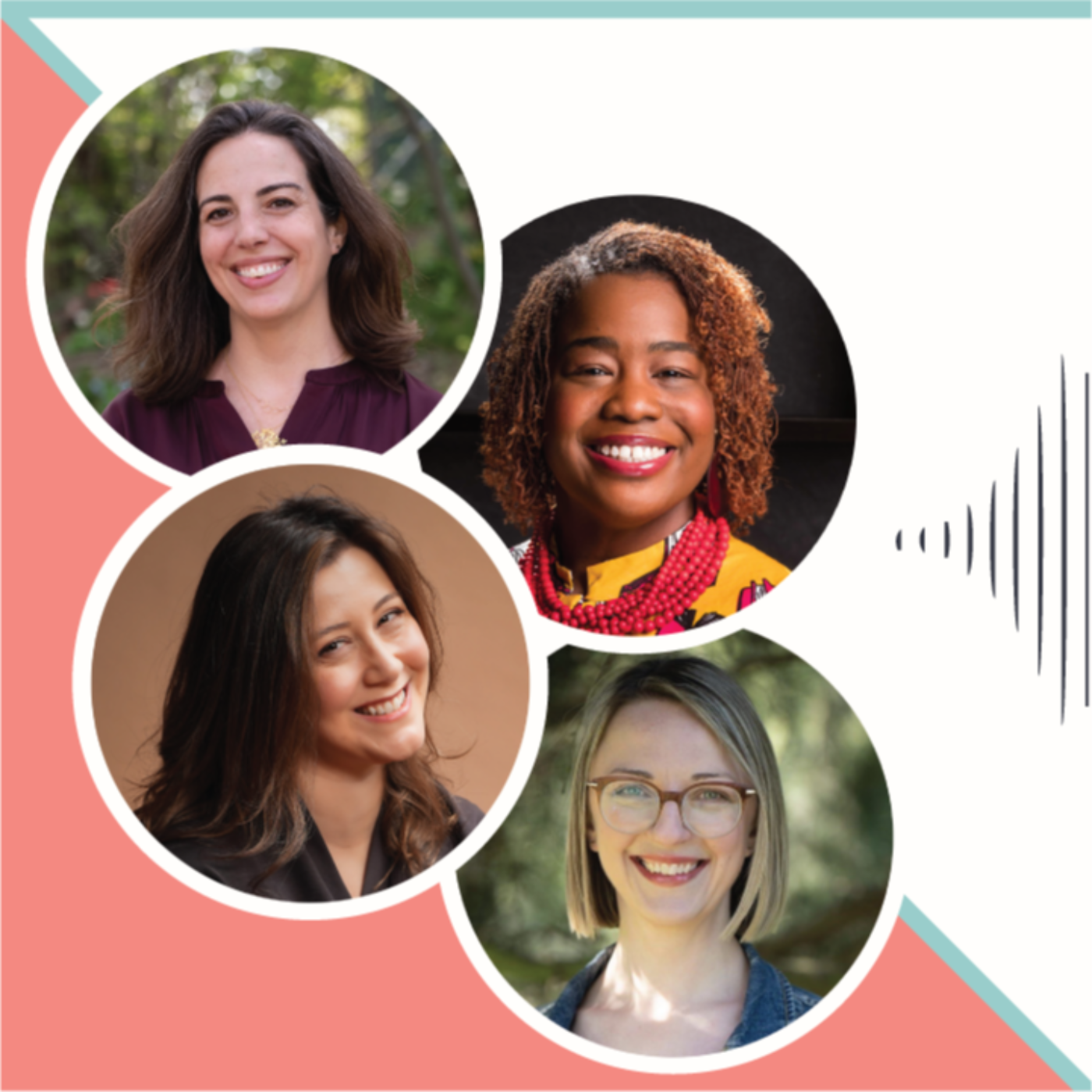
Transcript
00:00:06:15 - 00:00:31:08
Erica Machulak
Welcome back to the Hikma Collective podcast. If you've been following us this season, then you know that part of our agenda has been to create more space for joy among humanists and like minded scholars, and we've been doing that by sharing stories from great scholars with whom we've been building relationships over many years. Relationships, for me are by far the most joyful part of the process.
00:00:31:10 - 00:01:01:10
Erica Machulak
This episode is a little different in terms of topic, but that piece of getting to work with cool people and amazing work is the same. In this episode, we'll be talking with me and the co-creators of my book, Hustles for Humanists Build a Business with Purpose, which came out with Rutgers University Press in 2025. So this conversation is moderated by Katina Rogers of the Inkcap collective, is also a member of the Hikma Advisory board.
00:01:01:12 - 00:01:37:00
Erica Machulak
And you'll hear me speaking with Crystal Marie Moten, who wrote the foreword for the book, and Sophia van Hees who did the illustrations for the book and is also responsible for the entire visual brand from the thumbnails that you see for all of our blog posts to our logo itself. In addition to a lot of really cool creative design work with clients, there really is no better example of what a good entrepreneurial community should could look like, can look like it does look like.
00:01:37:02 - 00:02:03:19
Erica Machulak
Then this group of people, as well as all the others I don't have time to name here who have made this book possible. So whether you are a reader or a viewer or someone who sat with me to have a cup of coffee and talk about your own approach to freelancing and entrepreneurship, or a client who gave me some insights about how to make our processes better and how to work with people better.
00:02:03:21 - 00:02:31:19
Erica Machulak
It really does feel like this book has been a collective effort, and the launch too, has been such a cool and invigorating way to think differently about the possibilities and next steps for Hikma in the world. I always said that at the five year mark, we would do a big evaluation of where we had been and where we wanted to go moving forward, and you'll be hearing more, I think, in the next season about what that process has looked like for my team.
00:02:31:21 - 00:03:04:05
Erica Machulak
But for now, I'm just so honored and delighted to get to share this conversation with Katina, Crystal and Sophia. And to tell you a little bit more about what went into writing a book like this. So thank you for listening throughout the season, and I really hope that you enjoy this episode and that we, we see you again at Hikma in other ways.
00:03:04:07 - 00:03:30:07
Katina Rogers
Thank you. Thank you so much Ai, and so good to see everybody. Thank you all for being here. My name is Katina Rogers. I am so glad to be a part of this discussion, with Erica Machulak, the founder of the Hikma collective and of course, the author of hustles for humanists. Along with historian Crystal Marie Moten, who wrote the foreword, and Sophia, she is the founder of Brave Snail Designs, who created the gorgeous illustrations.
00:03:30:09 - 00:03:53:07
Katina Rogers
I have had the privilege of watching Erica's book take shape from an early stage, and I'm so glad to see it out in the world now. Congratulations, Erica. It's really beautiful. And I hope it feels good to hold it in your hands. Erica was one of the first people that I reached out to in, I think 2020 or 2021, when I was first considering striking out on my own as a consultant.
00:03:53:09 - 00:04:23:11
Katina Rogers
She gave me rock solid advice then, and it's fantastic that her wisdom and insights are now available to anyone who's considering this journey for themselves. Erica's writing is clear and accessible, and I know she would say that this has been, you know, a labor of many to bring it to this point. But her voice really shines through, and she offers both personal reflection on her own path and concrete, actionable advice that I think we many of us, really need.
00:04:23:12 - 00:04:42:19
Katina Rogers
It's powerful, in my opinion, to have a business development book that's specifically targeted to folks with deep humanities training. There's so many things that are particular about our skills and our strengths, as well as the challenges that we face and some of the hangups we might have. And it's so clear throughout the book that Erica really gets it.
00:04:42:21 - 00:05:01:09
Katina Rogers
So as far as what to expect from the next hour, Erica is going to start us off with a reading and then, I will ask Erica, Crystal and Sophia a few questions and conversation. And then we'll leave time for audience questions and discussion before we wrap up. So Erica, over to you.
00:05:01:11 - 00:05:22:05
Erica Machulak
Thanks, Katina for that lovely intro and Ai for everything you've done behind the scenes to make this make it possible that we are all here in this virtual space together. And that always amazes me when things come together. And you're a big part of that. And Katina, it's just such a privilege to have you here as our moderator.
00:05:22:05 - 00:05:42:14
Erica Machulak
And Soph and Crystal here together, we're crossing a lot of time zones with this panel. Katina is in New York City, is in Melbourne. Crystal also in New York now. And I'm in Vancouver. So, thank you, everyone, for for making this this time work and being here, it's it's very special to me. And, with that.
00:05:42:15 - 00:05:43:01
Katina Rogers
00:05:43:01 - 00:06:12:10
Erica Machulak
I'll just read a little bit from my intro. This is a little section cheekily entitled This Is How We Save the World. Launching a startup in the first year of the pandemic was, for me, an experience of chaotic, continuous learning. As I filed the papers to claim my business name, I imagined myself curled up in my reading nook, sipping tea and leafing through a curated list of books and articles about entrepreneurship, industry trends, and personal growth.
00:06:12:12 - 00:06:35:05
Erica Machulak
When I met with my first client on my first day open for business, it became immediately clear that the market had other ideas. All of my curiosities about entrepreneurship came together in one urgent question what can I offer to the person right in front of me in exchange for real money? The answer to this question sparked a cascade of new ones.
00:06:35:07 - 00:07:01:23
Erica Machulak
How much should I charge? What should the contract say? Where, when, and how would the project unfold? How would I collect payments? Every one of these questions created new threads that were deeply satisfying to unravel. Even as I listened to my banks hold music and squint my eyes at tax collection regulations. The monotony and anxiety are made more bearable by the enjoyment I take from figuring things out that serve a purpose and move my work forward.
00:07:02:00 - 00:07:25:12
Erica Machulak
Being a business owner continues to fill me with agency, curiosity, and joy. In addition to the many challenges that come with starting any business. The cultural moment. This cultural moment was particularly complicated as ours is now. When I launched Hikma in October 2020. The world was still trying to figure out how to keep spinning during a pandemic that would clearly last a lot longer than many of us had anticipated.
00:07:25:14 - 00:07:50:22
Erica Machulak
Employees took flight and masks, and the Great Resignation University scrambled to build virtual classrooms, and graduate students and administrators alike watched the tenure track evaporate even faster than it was doing before the pandemic. The Black Lives Matter movement and biblical level climate catastrophes demanded that funders, businesses, universities and individuals take a hard look at their social and climate responsibilities.
00:07:50:24 - 00:08:17:02
Erica Machulak
As I started my business, I faced constant reminders that the world was literally and figuratively burning down around us and that we need change in deep, complex ways. The polarization of our civic dialogs, and difficulty of connecting decision makers with reliable information added fuel to the fire. A cursory look at the United Nations Sustainable Development Goals shows how much work we have to do, and the many pathways needed to save our planet and the people in it.
00:08:17:04 - 00:08:43:19
Erica Machulak
While there are any number of technologies that might solve targeted problems, inventions alone will not save the world. Physical and digital products must be complemented with people who can interpret context, anticipate the implications of new ideas, and monitor the implementation of new tools for unanticipated consequences on our world. The systems level change we so desperately need requires people who lead with empathy and thrive in ambiguity.
00:08:43:21 - 00:08:50:14
Erica Machulak
The world needs humanists. Thanks.
00:08:50:16 - 00:09:15:20
Katina Rogers
Thank you. Erica. Yes, the world does need humanists, right? Yeah, I'll leave it there. Could each of you start by telling us about your role in creating the book? All three of you played a really different part, and I would love to hear a little bit about what that look like. And if you want to tell us even a little bit about your process, for writing or illustrating.
00:09:15:22 - 00:09:17:19
Katina Rogers
We'd love to hear it.
00:09:17:21 - 00:09:44:10
Erica Machulak
I suppose I can go first. I kind of got this thing going. Yeah. This book came from an inside higher Ed. article that I wrote, before I technically started my business. I was on the last 30 days before my contract ended in my previous role, which was the knowledge mobilization role. And I wrote a piece about the value of humanities PhD skills to different professional sectors.
00:09:44:10 - 00:10:10:14
Erica Machulak
And I actually wrote this piece because I thought I was going to be starting an op ed business, and I figured that I should have a couple of op eds. This was head base from one of my mentors at the NEH. And, what I actually discovered is that as soon as the piece came out, days before my business was formally open, I started getting all of these LinkedIn messages and emails and things, asking how I started my business and how other people can do it.
00:10:10:16 - 00:10:32:05
Erica Machulak
And I was sort of like, I haven't, I haven't officially launched yet, but I'll let you know when I figure it out. So we developed a course. I wrote another IHE piece. I started thinking about it and writing about it a little bit more, taking lots of notes, getting tons of requests for informational interviews and all of those questions really fueled the structure of what people needed.
00:10:32:07 - 00:10:56:22
Erica Machulak
So in a sense, the book is just a giant, accessible informational interview with a bunch of exercises and templates and, action items for people who need the mindset but also just want to get it done. And along the way, like we do. So many things that hit my age, it was really important to me to engage people in the process and make sure we were getting multiple perspectives.
00:10:56:22 - 00:11:14:17
Erica Machulak
And I also really wanted this thing to be beautiful. And so that was when I reached out to Sophia van Hees, who, maybe was our creative director at the time. I think you hadn't moved to Australia yet, but so and I had known each other for years before this. We collaborated in many ways and size that, hey, I want to do this thing.
00:11:14:17 - 00:11:36:01
Erica Machulak
Do you want to help? And she was on board. So really, every chapter we were thinking about what the images would look like alongside the text. I also pitched to Peggy Solic, who's in the room. It was a fabulous editor at Rutgers. Up, a little ways in, while I was starting to get this proposal going, I said, hey, Crystal, we'd met a few years ago.
00:11:36:01 - 00:11:52:15
Erica Machulak
I loved the way that she thinks about black women in entrepreneurship, and it brings a totally different lens to this work and a totally different kind of rigor. And I wanted her voice in it. So I said, would you consider writing the foreword? And we went back and forth about what that could look like. And thankfully she said yes.
00:11:52:15 - 00:12:12:22
Erica Machulak
I'm sure she'll talk more about that. And then early in the process, I knew that I wanted Amanda Bohne to do the index. Along the way, I should say Katina and others gave me really excellent feedback. Stacy Hartman's idea, to include personas in the book, which I think really made it so much stronger and more alive.
00:12:12:24 - 00:12:23:09
Erica Machulak
So this really was, just the best example I can give of what an entrepreneurial community should look like from start to finish.
00:12:23:11 - 00:12:28:22
Katina Rogers
I love knowing all that. Sophia, do you want to tell us a little bit about the illustration process?
00:12:28:24 - 00:12:53:24
Sophia van Hees
Yeah sure thing. I think it's best to reflect on it because it's been such a, like a relatively long time since we kind of started this. And yeah, as Eric mentioned, we've known each other for, years now. It's actually we worked together briefly at UBC. When we first met. So I've been sort of involved to make my from the very beginning.
00:12:54:01 - 00:13:25:15
Sophia van Hees
I was around when Eric was founding the, the name my business and figuring it all out. And she, I guess the first way I was involved in designing the logo. So she kind of been, from the very beginning, kind of establishing the sort of visual identity of a Hikma as a business. And sort of gradually got more and more, involved in lots of different ways.
00:13:25:17 - 00:13:54:07
Sophia van Hees
But in terms of the, the book project, I guess that was in two components that I, worked on. The first was the narrative for images. So there's sort of a, an illustration for each chapter, which we tried to sort of set the theme for the content for each chapter. And then the other component was all of the, yeah, all of the little diagrams and exercises and things sort of scattered, scattered throughout.
00:13:54:09 - 00:14:28:09
Sophia van Hees
Yeah. I guess having already worked with Hikma and Erica for years. We sort of already had established the, the style. And I guess the main points to sort of talk about is the, I guess the whimsical kind of nature of them. Sort of, approachable, whimsical, which I think really helps counter the sort of more traditional business texts where, you know, it's all about disruption and, you know, fast growth and scales and things.
00:14:28:09 - 00:14:54:15
Sophia van Hees
So we were just sort of trying to make something warm and inviting and, yeah, something a little bit quirky and unique as well. So, that's sort of where the narrative images came from. And then in terms of all the exercises and, diagrams and things, a lot of those actually came from the workshops and training programs that, Erica developed while I was working at Hikma as well.
00:14:54:15 - 00:15:18:11
Sophia van Hees
And so that has a bit of a background in, yeah, sort of testing those out in different in different ways through different programs. And developing those along the way. So they had a, you know, a long history as well. I guess the biggest learning curve for me, in the process was, designing for a printed book.
00:15:18:12 - 00:15:56:12
Sophia van Hees
So a lot of the work I had done previously was digital. So it was for, you know, the website and social media. And even the work I was done outside of, Hikma has been, yeah, colorful shapes and things. So thinking about, designing the, the images for a book that needed to the black and white, you know, to be like line drawing so, you know, the, the restrictions of, of the sort of printed form that was a big learning curve for me and something that Erica and I worked closely together to figure out.
00:15:56:14 - 00:16:18:06
Sophia van Hees
You know what? What are the dimensions of the images? What are the line widths? You know, how are we what's the workflow going to be? And we worked really collaboratively, I think. It was always really fun getting at the idea of show the narrative images, and I get a little text or a voice message saying, what do you think of a cat under a tree?
00:16:18:06 - 00:16:40:10
Sophia van Hees
But the leaves the money? Okay. I can work with that. And yeah, I would sort of send back, you know, sketches of things and she'd have great feedback. And. Yeah, it was really that's a really great process. I think we worked really well together. And because we already had a strong relationship. Yeah. It was really fun.
00:16:40:12 - 00:17:08:09
Sophia van Hees
And yeah, the other part of it was Erica was still writing the book while I was doing the images. So things changed along the way. Different ideas came up, you know, the the structure change. There was, you know, an extra chapter added or the chapter was split into two. So, you know, there was a lot of, I guess, mirroring, mirroring the, the themes of the book, you know, we had to change the scope, we had to figure out what the deliverables were.
00:17:08:09 - 00:17:29:20
Sophia van Hees
So I was really sort of going through the process of what was in the book. Well, while working on the images for the book. So, yeah, it was a bit messy in that way. But yeah, I guess that's just a little insight into kind of the work that I do and, and how we worked together and, and where everything came from.
00:17:29:22 - 00:17:51:07
Katina Rogers
Thank you. That's so interesting. And I'm just thinking about my own writing process and imagining, like, inviting someone else into that process along each step of the way. Sounds honestly really hard. And it's it's a testimony to your collaboration that you've been able to, to do that so well together from the very beginning. Crystal, how about you?
00:17:51:08 - 00:18:33:06
Crystal Marie Moten
This, I'm so interested in hearing the, the creative process that you say everyone has used to to write, to create, their portion of the book. And I'll note that, as Erica mentioned, my work and particularly my research as a related to black women and business was really the formal work of a historian looking into the archive to understand why and how, black women were creating businesses, often in response to the workplace that they were in.
00:18:33:08 - 00:19:20:04
Crystal Marie Moten
And and many times we can we can see entrepreneurship, especially for people who are underrepresented or minoritized as a way to resist oppressive and injustice and just unjust, excuse me workplaces. And that is what I was seeing with black women in the types of businesses they were starting. But I was I was particularly interested in the types of businesses that black women were starting that were, number one, concerned about community and then also built with community in mind because as I thought about black women in entrepreneurship, it wasn't just about or just for individual capitalist gain.
00:19:20:06 - 00:19:55:23
Crystal Moten
And so the women who I studied in the urban Midwest during the mid 20th century were thinking about their businesses and entrepreneurial practices with the broader social and economic justice goal in mind. And so that is what I found when I looked at, for example, the story or the, the, black beautician named Mattie Deweese, who started a black cosmetology school in Milwaukee, Wisconsin, in the 19 or late 1930s.
00:19:55:23 - 00:20:27:16
Crystal Moten
Early 1940s because there was a crackdown on unlicensed black beauticians, and black beauticians because beauty school was segregated, they were not able to study for and prepare for a state licensing examination. And so Mattie Deweese, who had went to school in Chicago, migrated to Milwaukee, decided, oh, I'm going to take this exam, get licensed, then I'm going to create a school so that other black women can take the exam and get licensed.
00:20:27:22 - 00:21:02:08
Crystal Moten
And so you see the way in which entrepreneurship. Right. The reason for it happens because of a connection to and concern for a broader community in the sustenance of it. It's maintained by that same community. And so I was finding multiple examples of that as I was studying black women, as I was studying black women in an urban industrial landscape where supposedly in Milwaukee, you could get one job in the morning and change and get a different job in an afternoon if you were a white man.
00:21:02:10 - 00:21:52:17
Crystal Moten
But if you were, a black woman, that was not so easy. And so then thinking about entrepreneurship, as a way out, a way through, an unjust landscape. But in terms of what I wrote for the foreword is not about that. I used the opportunity for the foreword to write actually about my own personal experience, thinking about my professional career as a humanist and how as I grew up as a working class, person from the South Side of Chicago with very circumscribed, opportunities or thoughts about who and what I could be and how I wished that a book like Hustles for Humanists had existed when I was young.
00:21:52:19 - 00:22:21:22
Crystal Moten
Not because I thought, oh, I'm going to be an entrepreneur or business person. I think differently now. But because the book challenge challenges you to think about more expansive possibilities. So use the skills of being a humanist, right? There is a toolkit that humanists learn and carry with them as they make their way through the world. And you don't just have to use that toolkit to become a tenured professor.
00:22:21:24 - 00:23:09:24
Crystal Moten
And I didn't know that. And so had I known that, I would have done a bit more career exploration prior to setting myself on the pathway to get a PhD to become a professor now, luckily I have been able to do career exploration as a humanist, but I've done that as I've worked, and everyone is not as, fortunate to be able to be in work environments where they can explore their career and professional opportunities, which is why I think this book is so important to get in the hands of as many people as possible, and they are thinking about what they want to do with their lives, with their skills, with their talents,
00:23:10:03 - 00:23:33:22
Crystal Moten
with their goals. Especially especially as we need more humanists in the world, everywhere in the world, everywhere in the world. So I, Erica, asked me to write the foreword. And it took me a little while because I didn't quite know what I wanted to say. But then I just started writing, and that's really not my process.
00:23:33:22 - 00:24:00:05
Crystal Moten
I just don't start writing. But I just started writing. And because this was really a personal essay of sorts, it flowed out of me. And of course, more revision and rewrites happened. But the main ideas of what I wanted to write, how I got to be, where I was, but then also thinking about, this idea of using the master's tools to dismantle the master's house.
00:24:00:07 - 00:24:31:04
Crystal Moten
And many times we think about money as a master's tool uncritically, uncritically. Right. And I wanted to problematize that a little bit, a little bit in, in the foreword. So I gesture toward that. But that was my process was really inspired by Erica and her decision to write this book. And really excited to be among these creatives trying to do this work to expose humanists to broader possibilities.
00:24:31:06 - 00:24:42:22
Crystal Moten
As we think about, the world we live in and the work that we must do to contribute to and save humanity.
00:24:42:24 - 00:25:01:06
Katina Rogers
Thank you. Crystal and I gosh, I love knowing that about your research work, too, about the emphasis on entrepreneurship, not as a, you know, not as a solitary venture, but as a way of embedding more deeply in community and of rising a tide collectively. I think that's probably something that we'll return to later in the conversation, too.
00:25:01:08 - 00:25:21:13
Katina Rogers
But I think that's a really unusual way of thinking about about business and about work and about entrepreneurship. So one thing I wanted to ask you all is building a business or really any kind of hustle requires taking a lot of risks. And as I think has come up already in conversation, it requires adapting when things do not go as planned.
00:25:21:15 - 00:25:38:10
Katina Rogers
I'm curious to know from any of you how do you deal with that part of the process? What are some elements that are uncomfortable for you and how do you manage to either sit with those or work through those, or really both? I would imagine.
00:25:38:12 - 00:26:06:06
Erica Machulak
A risk taking, there's so many things I can say about it. So one backstory to this book that I kind of mentioned lately, and then has become more and more real throughout the book launch is, I got pregnant while writing this book, and I had my baby Karim, back in October. And I had him I submitted my copy edits to Rutgers nine hours before my C-section.
00:26:06:08 - 00:26:32:04
Erica Machulak
Which I would not recommend to anyone. It's kind of funny. In the US, a lot of people I tell this are like, oh, wow, good for you with admiration and people in Canada's horrified, it's, different, different ways to different work cultures and ways of thinking about how we engage. But, by necessity, through life with Karim and mom life and figuring out my new parameters.
00:26:32:06 - 00:26:53:10
Erica Machulak
This was almost directly coincided with Hikma's five year birthday, and I had already said, we're going to figure out how this business goes. I'm gonna give it five years, and I'm going to evaluate whether this is something I want to continue, whether I want to change it. And, you know, he really accelerated that. That milestone had to happen.
00:26:53:12 - 00:27:31:19
Erica Machulak
So I started doing this new thing. I had kind of ambientally heard of it before, but still felt new to me. Maybe some of you have heard of it. It's called saying No to stuff. Which is, you know, not something I was very good at before, before Karim in the early years of my business, trying to establish my reputation, I, kind of had in mind that every clan got one all nighter, and that one of the things that differentiated me from people who did the kind of work that I was doing in other spaces, was, you know, that I could do that hustle in the sense of just working
00:27:31:19 - 00:27:57:13
Erica Machulak
really hard, getting things done last minute, and took a while for me to realize that that really wasn't the core of my value, and to kind of figure out that the business was going pretty well and my reputation wasn't being built on. Thank you. Katina. Yeah, that's a better approach. I had some things I had to unlearn through figuring out how to manage a team, how to work with clients, how to.
00:27:57:15 - 00:28:22:05
Erica Machulak
Most of my clients are academic. So setting boundaries in an environment where people are not used to attaching their labor to time and money and having to explain you know, what's what's feasible, what's possible, where I really think I can bring the most value without being a workhorse all the time. So, you know, with that, since Karim, I've started setting limits.
00:28:22:05 - 00:28:52:20
Erica Machulak
I've started thinking about the kinds of work that really excite me. And I've started giving myself permission to prioritize projects that align with my values and figure out, how to do that in an economically sustainable way. And I have to say, the book has been a huge part of that. The book launch has given me all kinds of feet in doors and opportunities to work differently and do more training where I can plan ahead and have confined time and just build different kinds of partnerships.
00:28:52:22 - 00:29:07:24
Erica Machulak
But saying no does always feel like a risk because you're wondering, you know, is another opportunity going to come along. And the answer is always yes. Just takes time to trust it and to recognize the opportunities when they come your way.
00:29:08:01 - 00:29:21:16
Katina Rogers
Yeah. Saying no is really hard. I maybe I maybe okay on the lack of all nighters, but, saying no when you don't know what's coming down the pike is really tricky. Sophia. Crystal, do you have anything you want to add to that?
00:29:21:18 - 00:29:30:09
Crystal Marie Moten
Can you read? I can you restate the second part of the question? I know it's partly about risk, but I want to make sure I'm thinking about the whole question holistically.
00:29:30:11 - 00:29:45:07
Katina Rogers
Yeah. How how do you deal with things that don't go as planned? And what do you what are the pieces that are uncomfortable for you? Whether it's, you know, as Erica was saying, setting boundaries with clients or maybe something a little different, how do you work…
00:29:46:02 - 00:30:12:23
Crystal Moten
That is such a good that, dealing with things that don't go as planned? That is such a good point to reflect on, because my my entire career as a professor didn't go as planned and it didn't go as planned because I didn't like it. And for I had to admit that to myself. I had to admit to myself that not liking being a professor didn't mean I failed at it.
00:30:13:00 - 00:30:40:23
Crystal Moten
Right? It is when I didn't like it. And the reason why I didn't like it is because I truly didn't know what it was. Because remember I said no career exploration. Exploration, right? And so, not things not going, as planned. That's life, but I think it's it's how we deal with it. And so, how what I've learned over these years, and I've had many different career changes, career pivots.
00:30:40:23 - 00:31:18:04
Crystal Moten
I call myself a professional wanderlust because I don't stay too long in one place professionally, and I used to judge myself for that. But now I no longer do. Conversation for a different moment. And actually the topic of my second book. But one of the things that I give myself permission to, similar to Erica in saying no for me is permission to refuse, and it's to refuse to be exploited, refuse to be mistreated, refuse to be silenced, and refuse to stay in a place where I am fundamentally unhappy.
00:31:18:06 - 00:31:54:04
Crystal Moten
And so that's one thing for me. And then, hand-in-hand with that is in that refusal, I have to trust myself, trust my instinct, because my instincts will never lead me wrong. That has been my experience. And so it can be risky to, to, you know, come out and say all your professional wanderlust, you don't like to stay long at one place, especially as a humanist, because humanist, we are expected to be at a place forever, because we have to be so grateful we have a job in the first place.
00:31:54:06 - 00:32:15:12
Crystal Moten
But if that job is slowly draining you of your humanity, then what do you do? Right? And so for me, the risk was in understanding that I had gotten myself into a place that I didn't want to be, and trusting myself enough to know that I could change, and that the world would not come crashing down around me.
00:32:15:12 - 00:32:24:07
Crystal Moten
Instead, I can build new worlds, right? Because I'm in different places in and using my humanness toolkit in different places.
00:32:24:09 - 00:32:28:01
Katina Rogers
Thanks, Kristen. Sophia, how about you?
00:32:28:03 - 00:32:57:22
Sophia van Hees
Yeah. Interesting question, because I feel like in a way I'm quite risk averse and, in some ways, but then in other ways, you know, I've made impulsive decisions and move countries and change jobs. So, yeah, I think I like what Crystal said about trusting your instincts. And, you know, I named my business Brave Snails Design. Now, design the word brave in that, for me, that sort of means.
00:32:57:24 - 00:33:20:17
Sophia van Hees
Yeah, trusting your gut, knowing what's right for you, making decisions based on not what other people think of you or think you should do, or pleasing other people, but what it feels true to you. And, and one piece of advice that I thought years ago that has always stuck with me is your next decision doesn't need to be your last decision.
00:33:20:17 - 00:33:48:23
Sophia van Hees
So, yeah, sometimes going that, you know, agonizing about I think at the time I was trying to, decide which which city to move to. And someone said that to me, and I just thought it just took all the pressure off, you know, I know that I can figure things out. So if it's not the right thing, something else will come up and just sort of trust that that I'll be able to figure it out.
00:33:49:00 - 00:34:13:09
Katina Rogers
I really love that. And I just as all of you are speaking, I'm thinking how much for me personally, the ability to trust those instincts and to to hold those boundaries, to refuse to say no has come with age to and that as I get older. So yes, there's like a groundedness and a rootedness that starts to feel, more organic and in a way that I think is really good.
00:34:13:11 - 00:34:34:09
Katina Rogers
Thank you all for sharing that. One more question I'd like to ask you all before we open it up, I see some really good questions from audience members in the chat. But I want to return to the idea of community and also to Joy. Both of these are really undercurrents throughout the book there I can hear them and the, the things that each of you are saying.
00:34:34:11 - 00:34:59:12
Katina Rogers
And, Erica, I know this is something that you also work to enact at Hikma, and so I would love to know, from you, Erica, you know how you put this into practice in your business? And from Sophia and Crystal, if you have thoughts that you'd like to, you know, to add to that, as far as what you see or how you experience joy and community in your work, I would love to hear from each of you.
00:34:59:14 - 00:35:02:17
Katina Rogers
Erica, over to you first.
00:35:02:19 - 00:35:26:17
Erica Machulak
Yeah. Sure thing. They kind of go together for me. Bringing people together is joyful. You know, I, I'm not sure whether I'm an extrovert or an introvert or kind of a mix or want to put a label on it, but I have always gotten a lot of satisfaction, out of bringing people together and kind of creating the spaces to see how connections happen.
00:35:26:17 - 00:35:54:07
Erica Machulak
And that's really what I see Hikma doing in a lot of ways. And so we've been able to experiment with that in different ways. And there are so many things I could say about joy. But another thing about my business that really brings me joy is teaching. And, you know, facilitating is a form of teaching, working with clients to help them reach clarity on what they're doing or find alignment with partners.
00:35:54:09 - 00:36:23:02
Erica Machulak
Through my knowledge mobilization work, that's a big part of a different form of teaching. Teaching, I should say nonhierarchical peer to peer working with people. Sort of in ways where there's mutual respect. But one of the most challenging things and joyful things about the business is creating a team. And bringing them together. So we have Ai Mizuta, Heidi Rennert and Ali Watson in the room.
00:36:23:04 - 00:36:51:00
Erica Machulak
I'll ground the Hikma team right now. Ali supported by Carolyn Veldstra, the UBC Arts Amplifier. Thank you. Carolyn. And managing a team is really hard. It was a skill that I had no experience with. Took a long time to figure out how to create that space. And learned a lot from my baby and that experience, how to kind of figure out how to get work done when I want everyone to have flexibility and be able to thrive in life outside of work, too.
00:36:51:01 - 00:37:12:16
Erica Machulak
So that balance is hard, but it really feels like we're all learning together and we're I hope my team agrees that we're at a spot where we can kind of share feedback and ideas and move things forward in ways that are organic and get things done that make sense for the opportunities that we have at hand. And I just love that learning and feedback piece.
00:37:12:16 - 00:37:20:02
Erica Machulak
It brings me a lot of joy in doing it with people rather than by myself. It's a very joyful.
00:37:20:04 - 00:37:25:10
Katina Rogers
Love that Sophia, Crystal, anything you want to add?
00:37:25:12 - 00:37:52:08
Crystal Marie Moten
I can, I can jump in. I'm thinking again about humanists in particular. Particularly I'm thinking about historians and about our work as usually, singular or solitary, independent in archive, trying to understand something by yourself. And only when you have a draft of something do you share it to get some type of, you know, peer review.
00:37:52:08 - 00:38:29:22
Crystal Marie Moten
But then that's anonymous, right? And what I love about thinking about community and particularly thinking about work in community, is how much more, you can learn, know, grow, experience when you do things together. And for me, in my research, I look at the way black women think together and how when they think together, they're able to come up with solutions to the most pressing concerns that their communities are experiencing.
00:38:30:02 - 00:38:51:11
Crystal Marie Moten
So, so community is vital is not an option, right? It's not an option for, for the women that I study. But then I also think about the flip side of of that or not the flip side, but the connecting question about joy. And I agree with Erica that it to me, it does. It does work hand in hand.
00:38:51:13 - 00:39:36:23
Crystal Marie Moten
But I also think about this idea of loving your work and how in capitalism, you know, capitalism would exploit that, right? You love your work so much you never take a break from it. And so there's this balance between loving your work and the joy that comes from that, and the fuel and energy you have from that, but also not being exploited is to me, is is always this complicated interplay between, you know, the joy that I feel in doing work, participating in humanistic inquiry, but also knowing that we live in a capitalist society, that, you know, the there always has to be a product, right?
00:39:36:23 - 00:39:56:05
Crystal Marie Moten
And you just can't be in community just because you want to at work. Right? There has to be an outcome. And so I think there's this interesting tension, between loving your work, between being and community and, and the resulting kind of thought is that, like, you know, the more the more people, the more money we have, right?
00:39:56:09 - 00:40:13:22
Crystal Marie Moten
So it's like all of this is so interesting for me, but, community and joy do go hand in hand. And love of work, a love of one's work which I interpret as one's passion, one's purpose in life, also contributes to that.
00:40:13:24 - 00:40:17:17
Katina Rogers
Thank you. Sophia, how about you?
00:40:17:19 - 00:40:45:19
Sophia van Hees
Yeah, I'm just, thoughts coming up as I'm listening. To Erica and Crystal. For me, yeah. Joy is really the foundation of my creative work. It's at the beginning of personal designs kind of came from, you know, while I was doing my postdoc and was sort of deep in research in, you know, cognitive neuroscience.
00:40:45:21 - 00:41:12:00
Sophia van Hees
I went to see a psychologist and she said, you know, what's something that brings you joy? And I just immediately thought of drawing. And they got me back into my creative life and, sort of haven't looked back from there. So for me, it's like the absolute foundation, but community is really what keeps it sustainable. I think.
00:41:12:02 - 00:41:26:00
Sophia van Hees
So, yeah. Connecting with people like Erica, people in the Hikma collective. I see Jill on the call, yeah. That's what that's what keeps it going. So yeah, I think it goes really hand-in-hand in that way for me.
00:41:26:02 - 00:41:49:04
Katina Rogers
Thank you. This is just wonderful. And I'm still mulling over the even just the phrasing of, you know, loving one's work. And to me, that always brings to mind, the idea of vocational, that librarian for Betsy at Tara has, has articulated, that it can be this lever of manipulation to say, oh, you love what you do.
00:41:49:04 - 00:42:12:02
Katina Rogers
That's great, that means I don't need to pay you. And in fact, that, you know, that doesn't mean that we should shy away from that joy. But also that joy is embodied, and we need to be able to eat food, and, you know, these things all go together. And so thinking about the ways we do that, the ways we do it in community, the importance of relationship within all of this, feels really central.
00:42:12:04 - 00:42:33:19
Katina Rogers
And so I do I do want to open it up to other folks in other voices who might have questions. Erica. Shelly, shall I ask? I know you had some questions that you wanted to maybe ask. The other folks who who supported this book process, shall I start with those, or shall we go to the audience?
00:42:33:21 - 00:42:51:21
Erica Machulak
Let's start with those and then go to the audience and just remind folks, if you have more questions. I see a couple really good ones here for Marcella and Anna. But if you have any others, please, please add them. And if I can, just before I do add one more point of joy, one way that I sustain joy is by celebrating my wins.
00:42:51:21 - 00:43:16:12
Erica Machulak
I preach this to everyone all the time, and this is a huge celebration here, but also just little things. So I don't have it on my desk right now, but, one of the things my partner bought me when I started the business, my first birthday present, Soph knows this was a it's like a plastic buzzer. And when you hit it, it goes, it plays the song from this busker I love who goes, I make some money and then I do my happy dance.
00:43:16:12 - 00:43:33:18
Erica Machulak
And so in the very beginning of the business, every time I would get a new client, I would do that. And, you know, slightly up to my standards for what gets the happy dance. But just finding, even if it's a cup of coffee, Soph and I used to do this every time we had a win, just, find a way to celebrate your wins all the time.
00:43:33:18 - 00:43:39:00
Erica Machulak
Not just the huge ones. But. Yeah. I'm sorry, Katina. Please go ahead.
00:43:39:02 - 00:43:52:01
Katina Rogers
No, not at all. I had to mute myself because I was laughing so hard at the buzzer. That's fantastic. Thank you. So, like, I would love to ask you, if you don't, if you don't mind coming off mute, what excited you about this book when Erica first brought it to you?
00:43:52:03 - 00:44:12:11
Peggy Solic
Yeah. Speaking of joy, I, will tell you all that, I've been at Rutgers University Press for about four years now, and Erica's proposal was one of the very, very first proposals that came into my email when I started at the press. And I, I don't know if y'all can see my arm. I've got goosebumps right now.
00:44:12:11 - 00:44:37:07
Peggy Solic
I had goosebumps when I read her proposal. The piece that she read to all of us today, I believe was in some form or another part of part of that proposal. And, yeah, every time I, I hear or read, the world needs humanists. Like, I get, I get goosebumps. I think there were there were two things that really drew me to the proposal.
00:44:37:07 - 00:45:10:21
Peggy Solic
And one was Erica's clear defense of the humanities as needed, and necessary in this world. And, the other was her, sort of fierce belief that, the skills that you develop as a humanist, matter and that you can use them and as, a former humanities grad student who came out of graduate school battered and bruised, that part of her proposal felt like salve.
00:45:10:23 - 00:45:32:02
Peggy Solic
Even though I've been out of grad school for quite a long time now, it really, it felt like it was healing a part of me that I didn't know was still broken, from grad school. So, I, I loved in particular those those two pieces of it. But, you know, I think all of it. And and I will say, too, I loved working with Erica on the book.
00:45:32:02 - 00:45:51:05
Peggy Solic
We would have, zoom meetings where we talked about, again, speaking of community and joy and, connection, we would have zoom meetings. Would we talked, we'd talk about, sort of all the exercises and, you know, should should they go in this chapter or do they fit better in this chapter or, and it just it was truly a joy to, to work with her.
00:45:51:05 - 00:45:57:00
Peggy Solic
So, I'm so excited about about the book, but yeah. Anyways.
00:45:57:02 - 00:46:18:13
Katina Rogers
That is so lovely. Thank you so much for joining today and telling us about that. I feel like we often don't get to hear from the publishing side of the process. So it's it's really lovely to remember that there's lots of folks that are invested and excited in the process. Which also leads me to Amanda. As as the person indexing the book, you probably know this book better than almost anybody.
00:46:18:15 - 00:46:30:21
Katina Rogers
I would love to know if there's anything that struck you as you were doing this. It's not. You know, that's not a role in the writing process that I know well. So I'd love to hear more. About what what, what you came away with.
00:46:31:11 - 00:47:07:24
Amanda Bohne
Yeah, I mean, I don't think I know it as well as as Erica knows it for sure. But, yeah, one thing that stood out is that, like, because Erica and I were talking when she was launching the business, and and during Covid lockdown, sometimes I would see things. I would think like, oh, I remember that, which is, which is an unusual thing, for me, when I'm indexing, like, usually, I usually the book just comes to me at the end of the process, and sometimes I don't know the person other than other than when I'm writing the index.
00:47:08:01 - 00:47:49:17
Amanda Bohne
But one other thing is really, just how, flexible Erica's expectations for the readers are. Like, like so much of the book is really about discernment. And so there is an assumption that you are going to, completely change everything that you're doing and, and, and, and start a business that takes up everything like, and that's, that's why the, that's why the hustling part of it is so important, right, is because sometimes the hustle is on the side, and sometimes it's not.
00:47:49:17 - 00:48:12:02
Amanda Bohne
And, and part of part of what she's helping you work through is, is figuring that out and that, that also means that, it's a really good quality that the book isn't like, this is what you're going to do, and this is how you're going to do it. It's like, this is how you're going to figure it out or this is going to help you figure it out.
00:48:12:04 - 00:48:33:21
Katina Rogers
Yeah, I love that thinking about like readerly flexibility as well. That that's not like a particular angle that I thought of, but that's really true. In the case of Erica's writing, let's see it. Ai and Heidi, do you want to pull some questions out of the, the questions that have been asked in the in the chat?
00:48:33:23 - 00:48:34:20
Ai Mizuta
Yeah, sure.
00:48:34:22 - 00:48:35:19
Katina Rogers
Oh, perfect. Thank you.
00:48:36:00 - 00:48:39:07
Ai Mizuta
So we have a question.
00:48:39:09 - 00:49:04:18
Ai Mizuta
From Marcelo. Am I pronouncing your name right? So, congratulations on the launch of the book. It's much needed.Could you speak about the process that led to the decision to write a book as the most suitable channel for sharing the knowledge and wisdom it contains? Would you be willing to share some insights into the decision making process?
00:49:04:20 - 00:49:31:21
Erica Machulak
Totally, and thanks, Marcelo. And for those in the room who don't know him, Marcelo is, just an amazing, knowledgeable and knowledge mobilization specialist who's been doing this for a long time so she knows the processes of working with community and making research accessible inside and out. It's a really great question. I only wanted to write this book with an academic press.
00:49:31:23 - 00:49:50:21
Erica Machulak
I knew that there were a lot of other potential audiences for it, but I wanted to write specifically for humanists. You know, has it's for humanists, the title is a little bit cheeky, and it's sort of meant as a front door that will open for people who are open to thinking about their work in this way.
00:49:50:21 - 00:50:15:20
Erica Machulak
And if you're totally against the concept of considering a different perspective on, you know, then then it's not for you. So there's a little bit of self-selection there. And I really wanted to find a press. That would work with me and would be open to exploring things in that way. It's not a conventional academic text, but I wanted academics to feel that they had permission to explore it.
00:50:15:20 - 00:50:50:05
Erica Machulak
And I think going with the going with the up has, helped to overcome some of the barriers in my own business that I find as just the automatic stigma against nonprofit. The look and feel of Hikma, the work that we do, leads a lot of people to assume that we're a nonprofit. And even though a lot of the ways that we work are really not that different from a nonprofit, except for our tax structure, I have I've been in meetings with kind of academic admins who, when they realize we’re for profit, the whole tone of the conversation changes and, you know, you feel like a little bit like a snake oil salesmen.
00:50:50:05 - 00:51:10:18
Erica Machulak
And so there was a little bit of feeling like I was on the margins of academia and trying to find a way back in that felt organic to me. Certainly. We've been able to do book launch events at Harvard and Princeton, at Penn and the University of Connecticut, and I don't think the university press label is the only reason.
00:51:10:18 - 00:51:28:21
Erica Machulak
I think it is one. The book is also very affordable. I wanted it to be something that grad students could buy. I wanted it to be something that people could write in. I'm a medievalist and so the material text is fascinating to me, and I have geeked out over all of the parts of this process, and I love to write.
00:51:28:21 - 00:51:48:22
Erica Machulak
So for a lot of reasons, it's it's the channel that felt accessible to me. But it's also been kind of a starting point or maybe a midpoint because of the work that came before it and went into it to develop training programs. So we just ran our first Find Your Inner Founder course. And that's a way of completely expanding on what the book has been.
00:51:48:24 - 00:52:23:20
Erica Machulak
We've got a workbook that we've been working on, this this book launch celebration will be part of our podcast episode. We've thought a lot about this, particularly with Kath Burton of Radically Hopeful about different futures and different ways to make make the work accessible and expand it and bring more people into the conversation. But that credibility that comes with, a book from an academic press was was a piece of it that I think has created more space within academia instead of just beyond it, to build some of those bridges.
00:52:23:22 - 00:52:29:22
Erica Machulak
I know we have a question from Anna next. Anna, would you like to ask your own question?
00:52:29:24 - 00:52:35:17
Anna
Erica, have you learned how to fire a client yet?
00:52:35:19 - 00:52:37:00
Katina Rogers
Thank you for asking.
00:52:37:02 - 00:52:58:24
Erica Machulak
Yeah. Thanks, Anna. Thanks for giving me a chance to flex some of the actual kinds of advice that we have in the book. And for those of you, Anna, when I did my internship in the Office of Publications at, the NEH, read many drafts of my early, you know, mid-career, mid program grad student work.
00:52:58:24 - 00:53:12:14
Erica Machulak
And so she is the reason that this book is legible. Anna taught me how to write for, for everyone. And so I'm really grateful to her for that and for that question.
00:53:12:16 - 00:53:38:23
Erica Machulak
But yeah, there are a few different strategies. Some of them may be a little controversial. One that I've been experimenting with recently is charging more. So this is firing clients and sort of deterring clients without having to explicitly say no is to say this work is very complex. Or if you want it on this timeline, it's just going to have a higher cost to it.
00:53:39:00 - 00:54:08:00
Erica Machulak
Like I mentioned earlier, I've been able to be, very discerning these days. And lucky we have a solid reputation for the knowledge mobilization work that we do. We have a lot of requests, and so I'm able to choose clients that I want to work with and projects that I really feel invested in. And so pricing is one way to get around that is to say, the only feasible way for me to do this is to do it at this price point.
00:54:08:02 - 00:54:25:05
Erica Machulak
Another is simply to say no when additional requests come in. I talk a little bit more in the book about drawing boundaries and saying no or yes to extras and deciding why you want to do that. And some of it is about whether you want this client to come back, whether you want to continue the relationship with them.
00:54:25:05 - 00:54:42:09
Erica Machulak
And so the reason that I will fire a client is rarely because they don't have the resources to pay me at a certain level. If I've already worked with a client once, I'm pretty open to doing quick work for them. It takes a lot to build that relationship once you have it. I consider them a partner and I really want to keep it.
00:54:42:11 - 00:55:04:11
Erica Machulak
But for clients who just aren't on the same wavelength, yeah, I think there are delicate ways to say that's not feasible right now and put it in their court to really follow up if they want to, or to just say, you know, I think I think this particular step to be feasible for me is going to be beyond the budget that you've given me or whatever.
00:55:04:11 - 00:55:26:12
Erica Machulak
And in some cases, you know, if they do meet that budget, then I'll do the work. But, you know, sort of find ways to not put the same effort into building that lasting connection by doing the extra 15 minutes of the zoom meeting or, you know, following up or proposing ways to add future value and so far that has worked pretty well.
00:55:26:12 - 00:55:32:13
Erica Machulak
You just kind of gravitate toward the relationships that that make sense.
00:55:32:15 - 00:56:08:14
Katina Rogers
It's such a good question. And I think for me, that's been something that's really been challenging, is feeling like it is okay for me to, you know, to to price things in ways that reflects the relationships that I value in the work that I want to do. And, it feels very tricky. But I really appreciate that's one of the reasons I really appreciate this book, is being able to have some guidance around what that can look like in ways to, you know, to, to work in an ethical way that feels integral to who you are in the work that you're doing while still meeting your own needs.
00:56:08:16 - 00:56:28:11
Katina Rogers
So I have really loved this conversation. I've heard so much, you know, from from the beginning, hearing Sophia talk about the whimsy and warmth of the illustrations has just really stuck with me. As far as, you know, the, the dynamic that, Erica has also strived to create in this space and in her work at Hikma.
00:56:28:13 - 00:56:46:19
Katina Rogers
I love that joy and community have recurred throughout the conversation. And, and just feel really grateful that so many people could be here today, to to talk about this book and to celebrate it. So, Erica, I'd love to turn it over to you for the last word.
00:56:46:21 - 00:57:08:11
Erica Machulak
Absolutely. I thank you, everyone, for being here. I was I've seen a Katina before the call that for, you know, all of the book launch things that we've done, leading up to this, this one made me the most nervous because it felt like mine and ours. And creating a space always feels like more of a risk than than showing up for someone else's.
00:57:08:17 - 00:57:25:20
Erica Machulak
I'm just so grateful that you've all come here to join and be a part of this, and everything that we've done along the way. I hope you stay in touch. I see we have more questions. We'll find a way to answer them. Through a different Hikma channel or just through out can reach out to me for coffee.
00:57:25:20 - 00:57:40:14
Erica Machulak
But, I hope you enjoy the text. I hope you share your thoughts about it. I share it with people that you think it'll help. And yeah, I hope you find ways to celebrate your own wins. And please tell us because we'd love to hear about them.
00:57:40:16 - 00:57:55:13
Erica Machulak
And thank you, Katina and the panelists. This was awesome. I'm so glad we finally found a way to to all be in the same place at the same time. That in itself is kind of a miracle. So just overwhelmed with joy. Appreciate everybody being here.
00:57:55:15 - 00:57:59:20
Katina Rogers
Well, everyone's wondering when you're going to write the sequel. So who?
00:57:59:22 - 00:58:01:09
Erica Machulak
Yeah. Got some ideas.
00:58:01:11 - 00:58:12:18
Katina Rogers
Sophia and Crystal, thank you so much for your insights. And Ai and Heidi, thank you so much for everything that you've done to help make this possible. And thanks to everybody for being here since.
00:58:12:18 - 00:58:18:06
Sophia van Hees
Right. The pleasure.
00:58:18:08 - 00:58:42:24
Erica Machulak
We hope you have enjoyed this episode of the Hikma Collective podcast. I'm your host, Erica Machulak, author, medievalist and founder of Hikma. This episode was managed and produced by Ai Mizuta, Heidi Rennert and Sophia van Hees. Matthew Tomkinson composed the original music you hear now in his capacity as Hikma’s 2022 Artist in Residence. You can find shownotes links and transcripts on our website hikma.studio/podcast.
00:58:43:01 - 00:58:58:24
Erica Machulak
Hikma is situated on the traditional, ancestral and unceded territory of the hən̓q̓əmin̓əm̓-speaking xʷməθkʷəy̓əm (Musqueam) people. We are so grateful to be here and to share this space with you. Wherever you're listening, make sure you know whose land you're on.
“Saying ‘no’ does always feel like a risk because you're wondering: is another opportunity going to come along? And the answer is always yes. It just takes time to trust it and to recognize the opportunities when they come your way.”
In this special episode, we launch the publication of Erica Machulak’s book, Hustles for Humanists: Build a Business with Purpose! Joined by panelists Crystal Moten, Katina Rogers, and Sophia van Hees, Erica and her guests reflect on entrepreneurship, taking risks, trusting the process, and the value of community.
Speaker Bio
Katina L. Rogers is an independent scholar and educational consultant who designs creative, sustainable, and equitable structures for institutions through Inkcap Consulting. Her scholarly interests center on higher education reform, including scholarly communication practices, professionalization, career development, public scholarship, and labor policy advocacy. She is the author of Presence of Absence: Meditations on the Unsayable in Writing (punctum books, 2024) and Putting the Humanities PhD to Work: Thriving in and beyond the Classroom (Duke University Press, 2020). Her work has been featured in the New York Times, Slate, LA Review of Books, and more.
Erica Machulak is a medievalist turned entrepreneur and the author of Hustles for Humanists: Build a Business with Purpose (Rutgers University Press, 2025). As the Founder of Hikma, she leads a social impact start-up with a mission to mobilize scholarship for the public good through consulting, capacity building and storytelling. Over the past five years, Hikma clients have secured $12M+ in funding to create evidence-based resources and tools, inform policies, and craft accessible communications published by Forbes, the CBC and other platforms. She holds degrees from the University of Pennsylvania (BA), the University of Oxford (Master of Studies) and the University of Notre Dame (PhD).
Crystal Marie Moten, PhD is a public historian, curator, and writer who focuses on the intersection of race, class, and gender to uncover the hidden histories of Black people in the Midwest. Moten holds degrees from Washington University in Saint Louise (BA) and the University of Wisconsin, Madison (MA/PhD). She is the author of the award-winning book, Continually Working: Black Women, Community Intellectualism and Economic Justice in Postwar Milwaukee.
Sophia van Hees is a multi-passionate creative with a background ranging from fine art to cognitive neuroscience. She takes an experimental approach to her business and design work, weaving together threads of ideas to discover new and unpredictable connections along the way. As owner of Brave Snail Designs, she also embraces fearless creativity mixed with slow and meaningful growth. Sophia holds a Bachelor of Speech Pathology and PhD from the University of Queensland, Australia.
Links
Hustles for Humanists: Build a Business with Purpose (Rutgers University Press, 2025)
Gratitude
Hikma is situated on the traditional, ancestral and unceded territory of the ən̓q̓əmin̓əm̓-speaking xʷməθkʷəy̓əm (Musqueam) people. Our speakers, team members and listeners are based all over the world. Wherever you are, we encourage you to learn more about whose lands you're on.
Our work would not be possible without the generous encouragement, labor, and funding of many. We thank our past and present team members, speakers, mentors, funders, and Hikma Collective members for making this work possible.
Our first season features guest speakers from our Summer 2020 course, Entrepreneurship for PhDs. This program brought together a cohort of creative and generous emerging scholars and speakers across academia, industry, and the social sector. The participants and speakers in this course inspired and built the foundations for our learning community, the Hikma Collective.
This podcast weaves together the ideas and contributions of Hikma team members, many of whom have enriched our work as students and consultants: Simangele Mabena, Ai Mizuta, Matthew Tomkinson, Nadia Sasso, Amanda Bohne, Chiara de Silva, Nicole Markland, Dasharah Green, Eufemia Baldassarre, and Sophia van Hees .
At Hikma, we are committed to supporting emerging scholars and practitioners through our internships, made possible with the generous support of our partners and funders. The following organizations have supported this podcast by funding past and present members of the Hikma team. We thank them for their investment in creative, outstanding people who have enriched and amplified our work.